




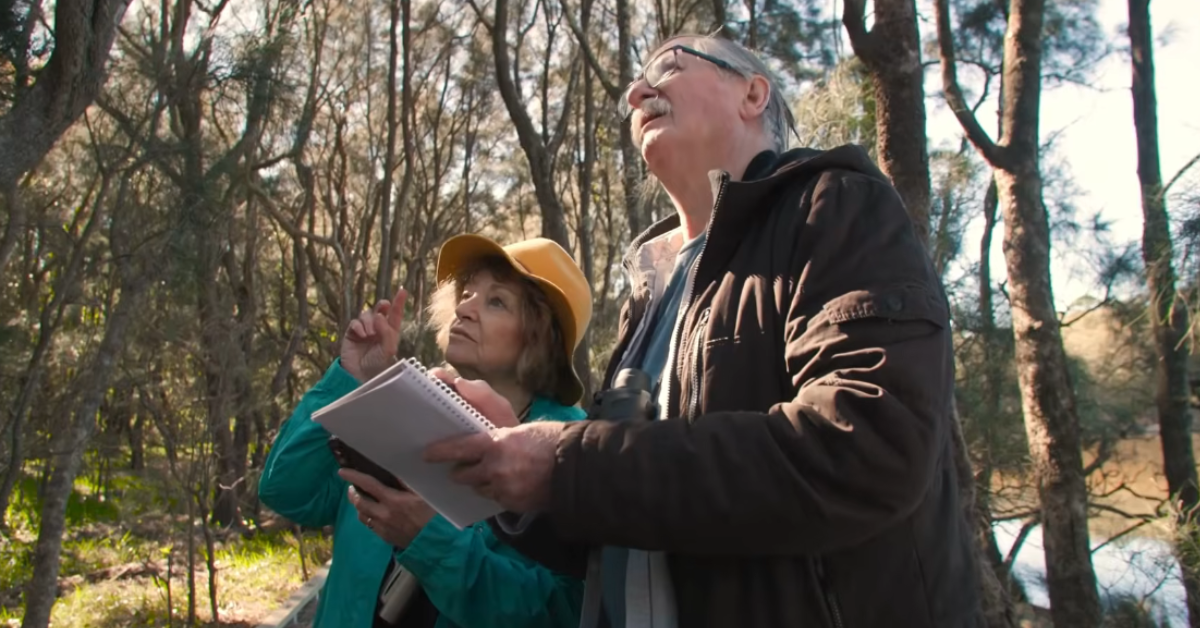
Migratory shorebirds have returned to the tidal flats at Boondall Wetlands, where birdwatchers are being encouraged to observe local birdlife as part of the annual Aussie Bird Count.
The nationwide event, organised by BirdLife Australia, runs from 19 to 25 October 2026 during National Bird Week. Participants are asked to spend 20 minutes recording the birds they see, with observations contributing to research on Australia’s urban bird populations. Jenny Carey, president of Keep Sandgate Beautiful Association (KSBA), said the return of migratory shorebirds to the wetlands’ tidal flats offered another reason to explore the area’s birdlife.
Birdwatching Around Boondall Wetlands
Boondall Wetlands is among several locations identified for the count, alongside freshwater lagoons, the Sandgate foreshore and Peace Park. Backyards, school grounds and local parks can also be used, allowing participants to record birds in familiar surroundings.
Carey encouraged people across the area to spend time observing the variety of birds found nearby, whether along the waterfront or closer to home. Mr Adrian Schrinner also identified Boondall Wetlands as one of Brisbane’s places to experience nature and wildlife, encouraging people to use the national count as a reason to explore their surroundings.
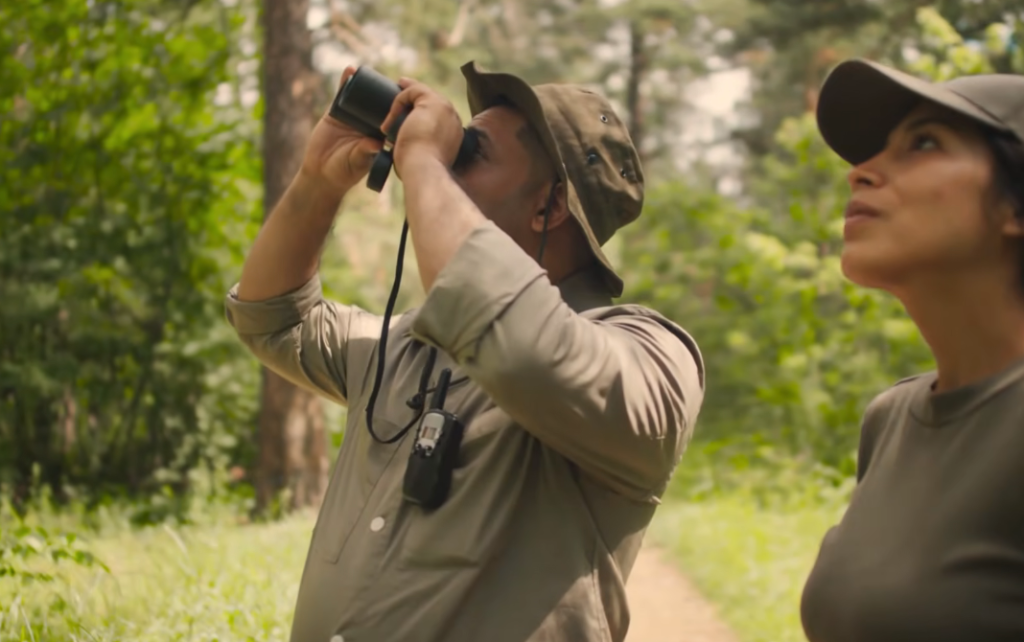
Birdwatching requires little preparation for beginners. Binoculars are not essential, and participants who cannot identify a particular bird can use the identification features available through the Aussie Bird Count app and website. Birds Queensland vice-president Dr Scott Fox said observing birds could offer a break from busy daily routines. He also pointed to research connecting birdwatching with improvements in mental health and wellbeing.
Bird Counts Help Track Population Changes
BirdLife Australia describes the Aussie Bird Count as the country’s largest citizen science event, attracting tens of thousands of participants each year. Observations collected during the week help researchers monitor urban bird populations, including changes in how frequently familiar species are reported.
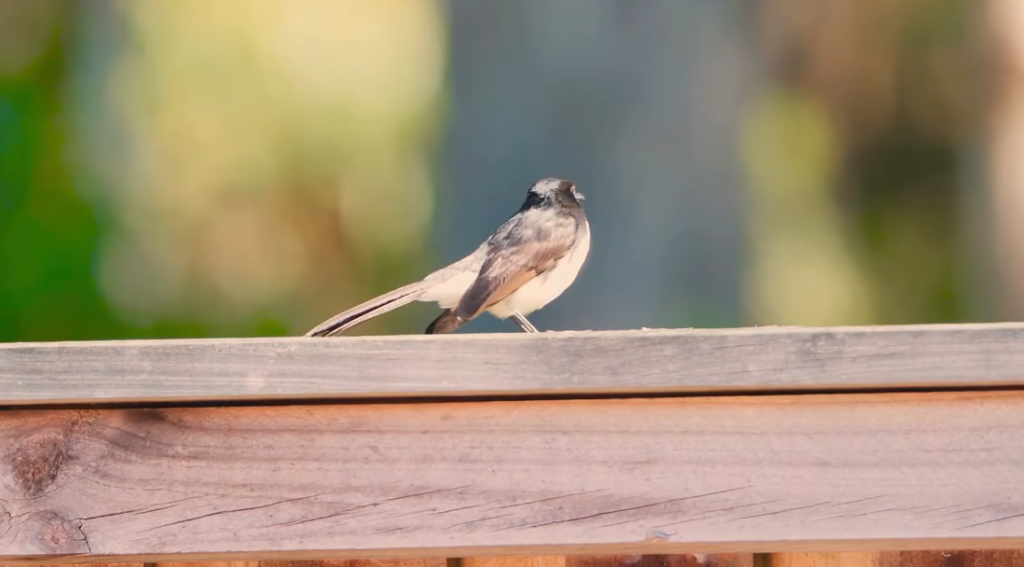
The organisation’s previous counts have consistently placed the Rainbow Lorikeet at the top of the national rankings for 10 consecutive years. Other commonly reported species include the Australian Magpie, Sulphur-crested Cockatoo, Superb Fairy-wren, Willie Wagtail and Tawny Frogmouth.
However, earlier national results have also raised concerns about some smaller urban birds. BirdLife Australia has reported declining trends for Superb Fairy-wrens, while Willie Wagtail reporting rates have fallen across major Australian cities except Perth.
The findings form part of the broader national picture rather than a specific assessment of bird populations at Boondall Wetlands. Participants can complete more than one count throughout the week, with each 20-minute observation submitted separately through the app or online form. Registration and further information are available at aussiebirdcount.org.au.
Published 6-October-2026