




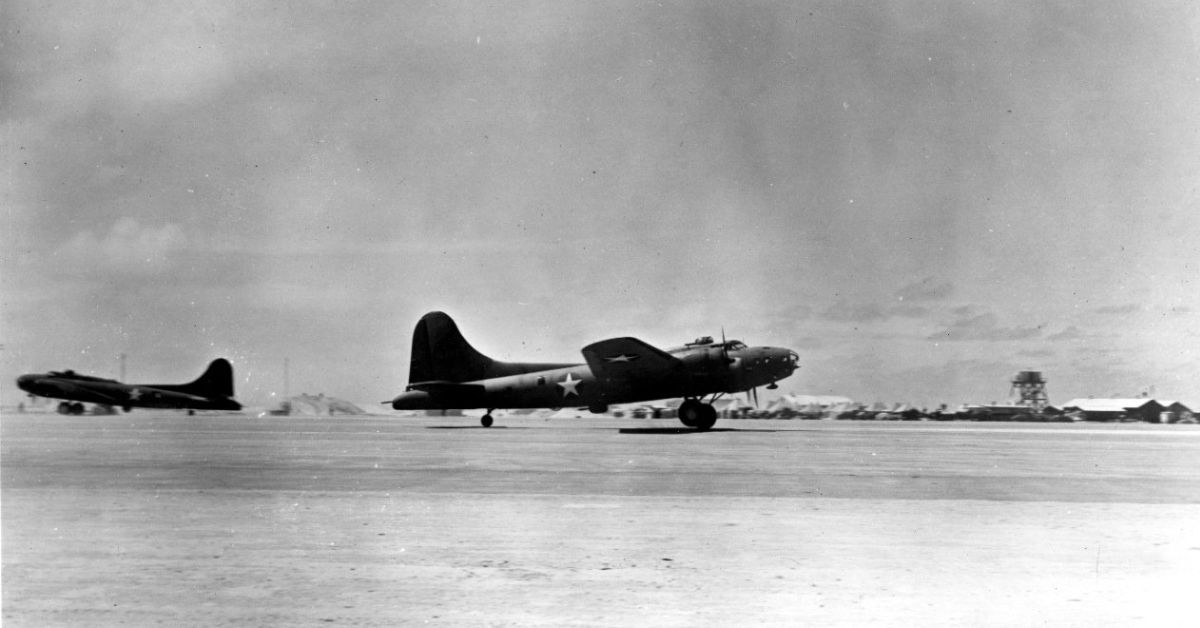
On reclaimed ground north of Sandgate RAAF Station, the story of the American WWII Flying Fortress turned from emergency landing to unlikely recovery. When B-17E 41-2435 came down on 18 April 1942, it bogged in soft country near Brighton. Three days later, crews had lightened the bomber, cleared a path through the trees and sent it on to Archerfield.
A bomber stranded on Brisbane’s bay edge
The B-17E Flying Fortress was one of the great workhorses of the American air war. Four engines, a heavy bomb load and a long range made it valuable in the Pacific, where every flight could carry serious risk. By the time this aircraft reached Brisbane, it had already become part of a wartime system that moved quickly, improvised often and worked with what it had.
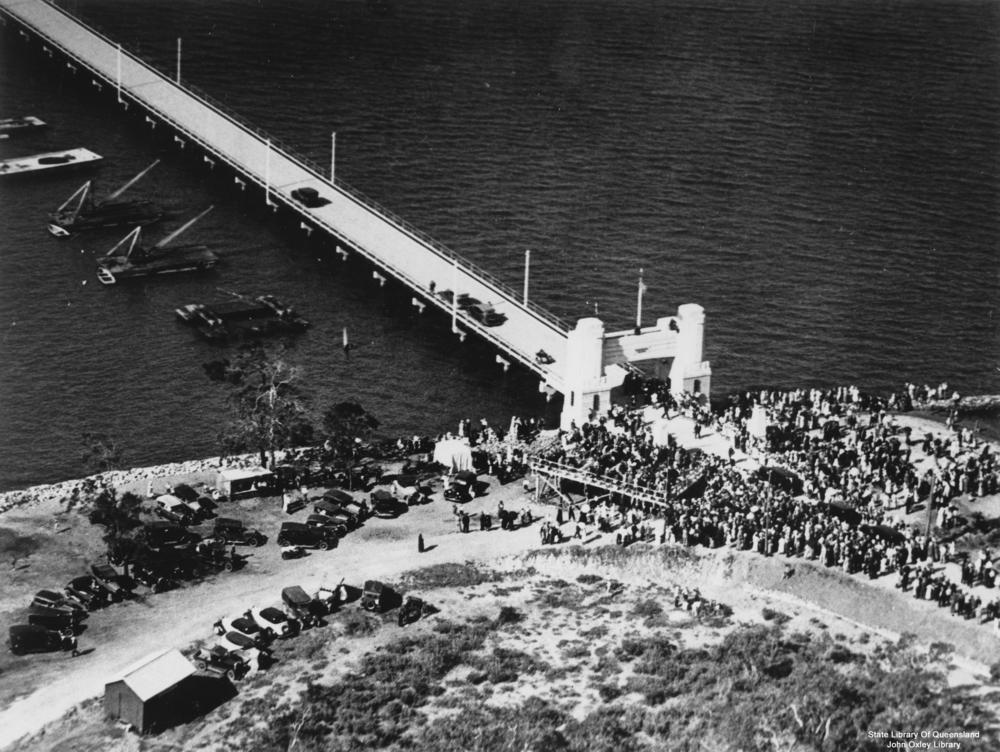
That mattered on the northside coast, where the foreshore near Brighton and Sandgate could turn treacherous after wet weather. The aircraft ended up on ground that was never meant to serve as a runway. It sat awkwardly between the station’s northern boundary and the Hornibrook Highway entrance, in country that looked firm from a distance but could swallow a heavy bomber.
The story survives because the recovery mattered as much as the landing. The aircraft did not simply sit there and wait for removal. Crews assessed what they could strip out, what they could shift and how they might give the bomber enough room to move again.
Sandgate RAAF Station and the wartime setting
To understand the landing, you have to understand the place. Sandgate RAAF Station was not an operating civilian airfield. It functioned as a wartime RAAF training and embarkation base, with its own disciplined routine and temporary wartime purpose. The area was occupied during the build-up to the Pacific war, and the site’s military use shaped the surrounding district.
That wartime landscape still leaves traces today. The old station site later became Eventide and now sits within the Brighton Health Campus precinct. Two original huts remain at 16 Twenty-Fourth Avenue, a small but tangible reminder of the military past beneath the suburb’s modern surface.
The Flying Fortress episode fits that setting neatly. It was not a glossy spectacle. It was a practical wartime problem solved by patience, labour and a fair amount of improvisation. In those days, every usable aircraft mattered. A bomber bogged in Brisbane’s northern foreshore was not just an inconvenience. It was a resource that the military needed back in service.
B-17E Flying Fortress at a glance
The aircraft at the centre of this Brighton story was a Boeing B-17E Flying Fortress, a heavy four-engine bomber used in the Pacific war.
- Aircraft: Boeing B-17E Flying Fortress
- Serial: 41-2435
- Landing date: 18 April 1942
- Departure date: 21 April 1942
- Reported destination: Archerfield
- Landing site: soft reclaimed ground north of Sandgate RAAF Station
- Recovery: crews lightened the bomber and cleared a path through the trees
Lightening the aircraft and cutting a way out
Accounts of the recovery describe a determined effort to get the aircraft moving again. Ground crews removed fittings to reduce the weight. They also cleared a path through the trees so the bomber could escape the soft ground and reach firmer country.
That work gives the story its human drama without inventing a scene. Men on the ground had to think in practical terms. What could be removed? What could be left behind? How much could the ground hold? How much room could they create without damaging the aircraft further?
The recovery unfolded over several days, not in a single dramatic burst. By 21 April 1942, the aircraft reportedly departed for Archerfield. Other personnel travelled by road the following day. That sequence is the heart of the tale: a bomber that arrived in difficulty and left under its own power after a careful rescue effort.
The aircraft’s fate matters because it shows wartime logistics at work on Brisbane’s fringe. This was not a grand air battle over Europe or the Pacific. It was a local emergency, shaped by mud, trees and timing. Yet it still revealed the same wartime pressure to repair, recover and keep moving.
Why this Brighton recovery still matters
The B-17E landing endures because it ties a global war to a very local stretch of coast. Brighton was not a battlefield, but for a few days in April 1942 it became part of the Allied war machine’s maintenance and recovery chain. The site was temporary, yet the memory is lasting.
That is also why the recovery remains the strongest part of the story. Plenty of wartime accounts focus on the moment of trouble. This one asks readers to follow what happened next. The aircraft did not just come down. It was coaxed back out, lightened, and guided away from soft country that had trapped it.
Today, the suburb looks different. The military station has gone, the wetlands and reclaimed land have changed, and the modern campus now occupies ground once defined by wartime urgency. But the old story still fits the place. A Flying Fortress landed badly near Brighton, crews got it moving, and the aircraft flew on.
That is why the American WWII Flying Fortress still belongs in Brighton’s local history. It was a brief episode, but it left a long impression.
Published 18-November-2026