



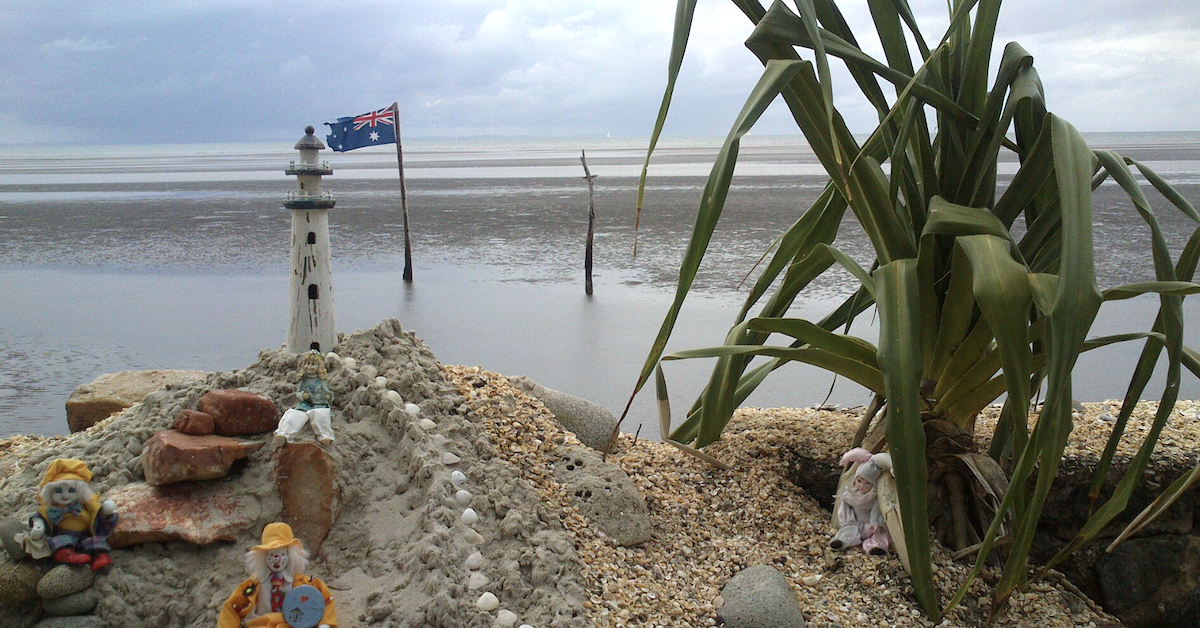
Homeowners in Sandgate and Brighton are facing some of the highest council rate increases in Brisbane, with rises above 7 per cent under Brisbane City Council’s 2026-27 budget. The increases are well above the citywide average and place the bayside suburbs among the hardest-hit areas in the city.
The $3.9 billion budget includes major spending on roads, parks, community facilities and transport infrastructure, alongside residential rate increases that average 3.97 per cent across the city. For the typical owner-occupier, this amounts to about $63 a year, or roughly $1.22 a week.
While the citywide increase remains below 4 per cent, some suburbs are facing rises of more than 7 per cent, while others will see little change or even a slight reduction in their rates bill.
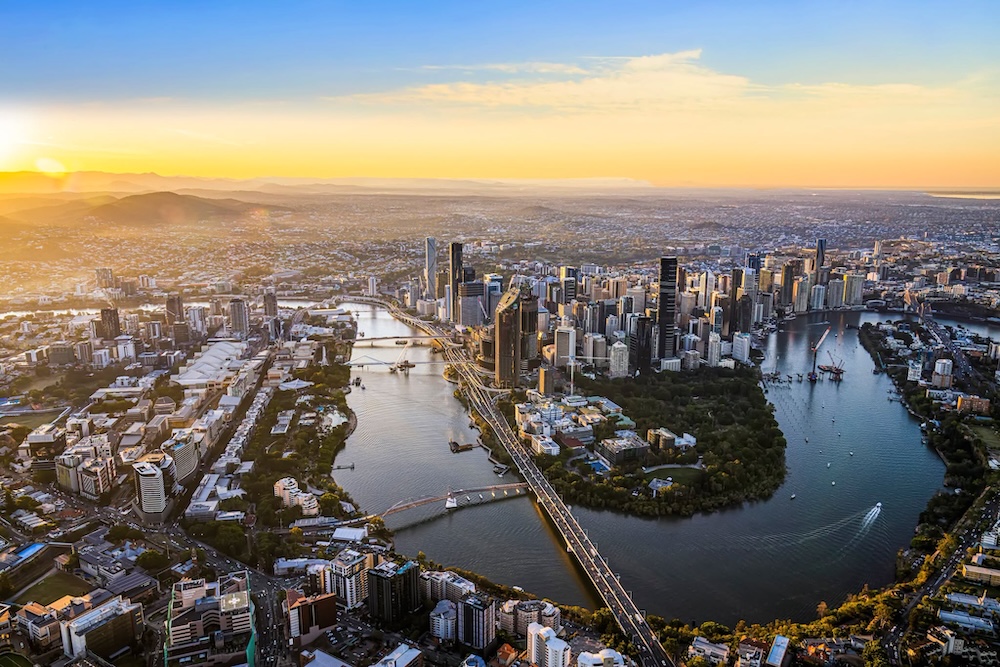
Brisbane rates remain among the region’s lowest
Brisbane City Council adopted its 2026-27 budget on 18 June, outlining spending plans for the year ahead as the city continues to deal with population growth, infrastructure demands and rising costs.
LM Adrian Schrinner said the budget was designed to balance investment in local services and infrastructure while keeping residential rates lower than many other councils in South East Queensland.
The budget retains the council’s $60 on-time payment discount for eligible ratepayers. Pensioners will also receive additional support, with the maximum pensioner rates rebate increasing to $1,350.
Council figures show the average owner-occupier rates increase across Brisbane will be 3.97 per cent.
Property values continue to influence rates outcomes
Although Brisbane City Council sets the overall rating structure, the amount paid by individual households can vary considerably between suburbs.
Differences in land valuations and rating categories can result in some areas experiencing larger increases than others. This year’s figures show a wide gap between the suburbs at the upper and lower ends of the scale.
| Suburbs with more than 7% increase | Rate |
| Bulwer (Moreton Island) | 7.50% |
| Cowan Cowan (Moreton Island) | 7.50% |
| Lake Manchester | 7.50% |
| Robertson | 7.47% |
| Wakerley | 7.47% |
| Runcorn | 7.44% |
| Middle Park | 7.43% |
| Mackenzie | 7.42% |
| Algester | 7.41% |
| Corinda | 7.33% |
| Eight Mile Plains | 7.32% |
| Sandgate | 7.29% |
| Brighton | 7.24% |
Other areas such as Dutton Park, Fairfield and Enoggera Reservoir are expected to see slight reductions in rates, while suburbs including Kangaroo Point and Woolloongabba will experience increases of less than 1 per cent.
The variation means neighbouring suburbs can receive very different outcomes despite being part of the same council area.
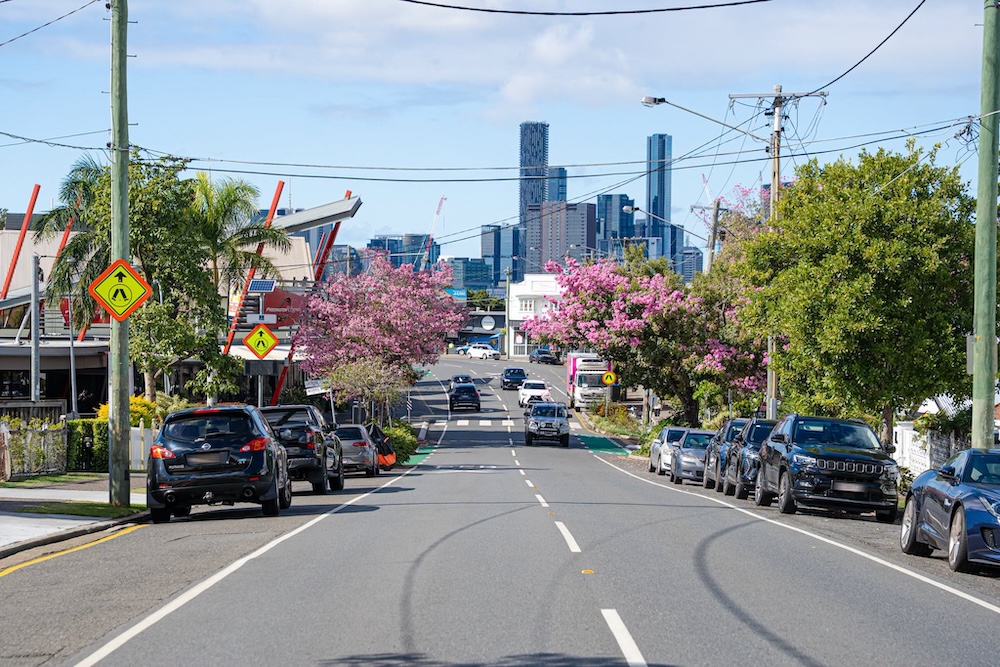
What homeowners can expect next
Like councils across Australia, Brisbane is also facing higher construction and maintenance costs, as well as increased demand on local infrastructure as the city’s population continues to grow. These pressures have played a role in the council’s budget and rates decisions for the year ahead.
Updated rates notices will be issued to Brisbane property owners during the next billing cycle. Eligible owner-occupiers who pay on time will continue to receive the council’s $60 discount, while pensioners may qualify for the increased rebate support announced in the budget.
Residents seeking further information about how the changes affect their property can access detailed rates information and budget documents through Brisbane City Council.
Updated 7-July-2026
Featured Image Credit: Wikimedia/Creative Commons Attribution-Share Alike 3.0 Unported