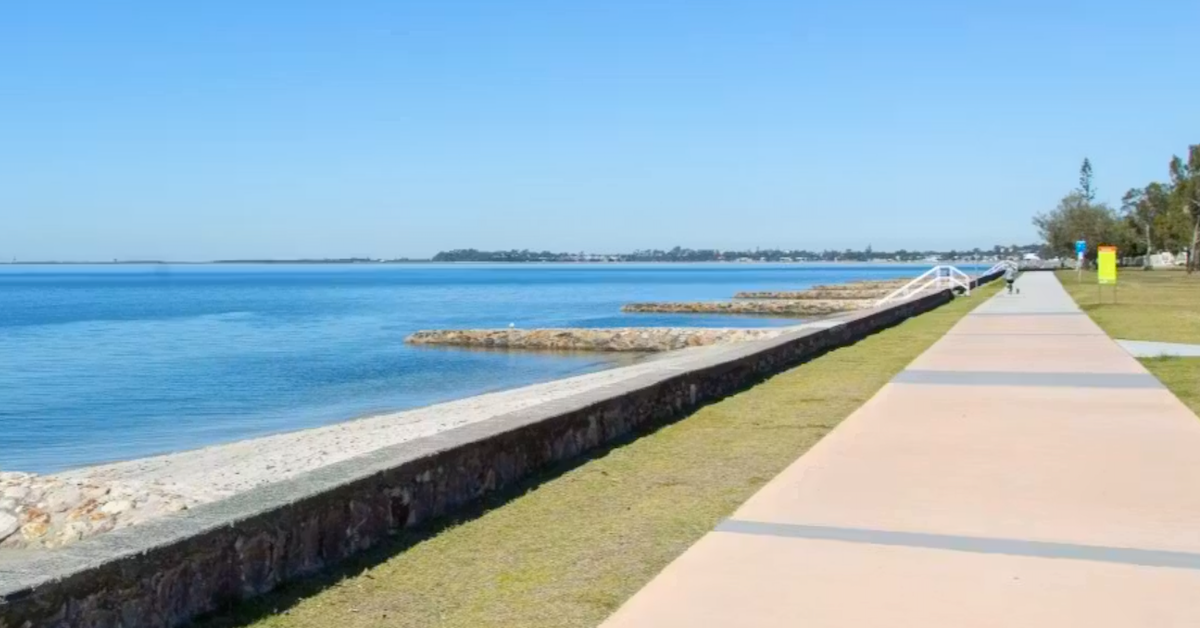
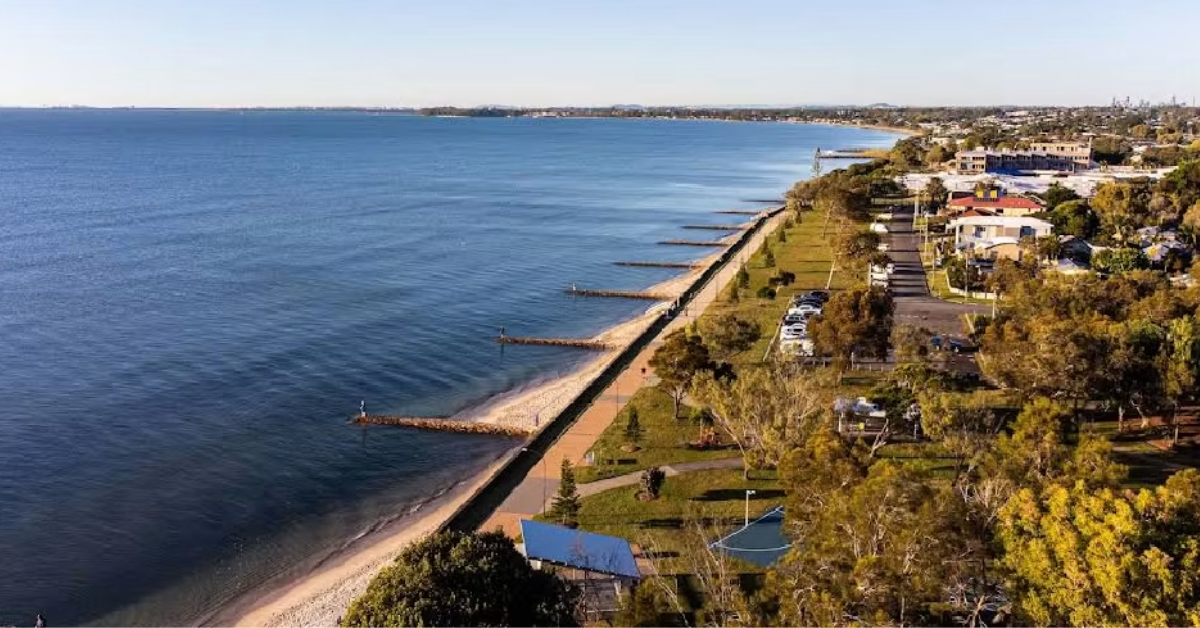
Brighton Foreshore is moving through its latest stage of upgrades, with construction focused on improved beach access, accessible pathways and new public facilities.
Construction began in April after early works were carried out in January, advancing a project that has been through community consultation, planning and detailed design since 2023. The project remains listed as in progress, with completion targeted for December 2026, subject to weather and site conditions.
Access and recreation works continue along the foreshore
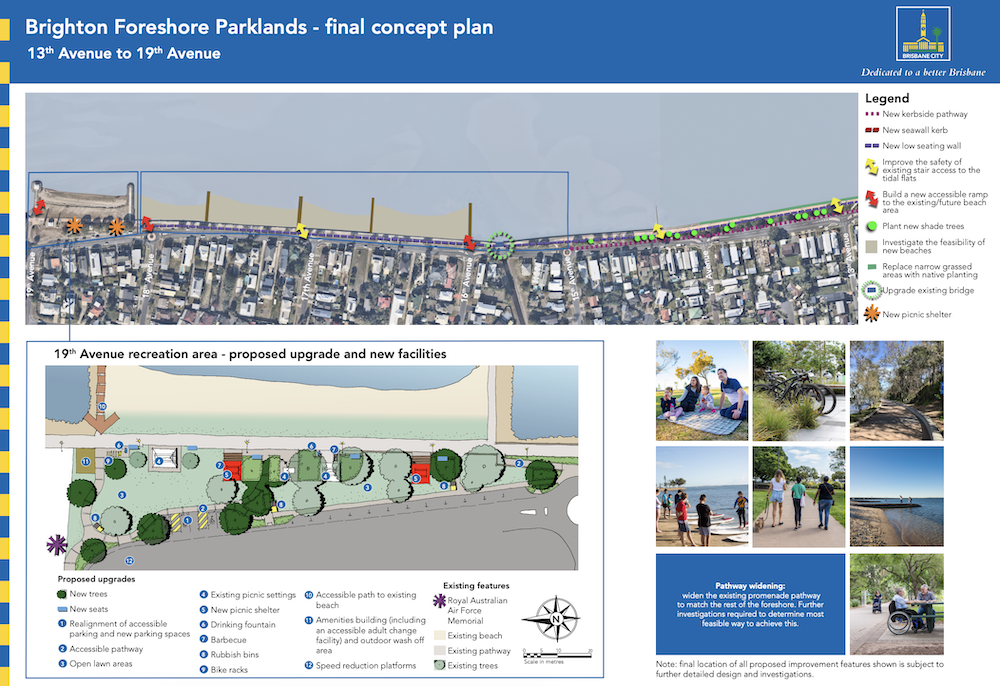
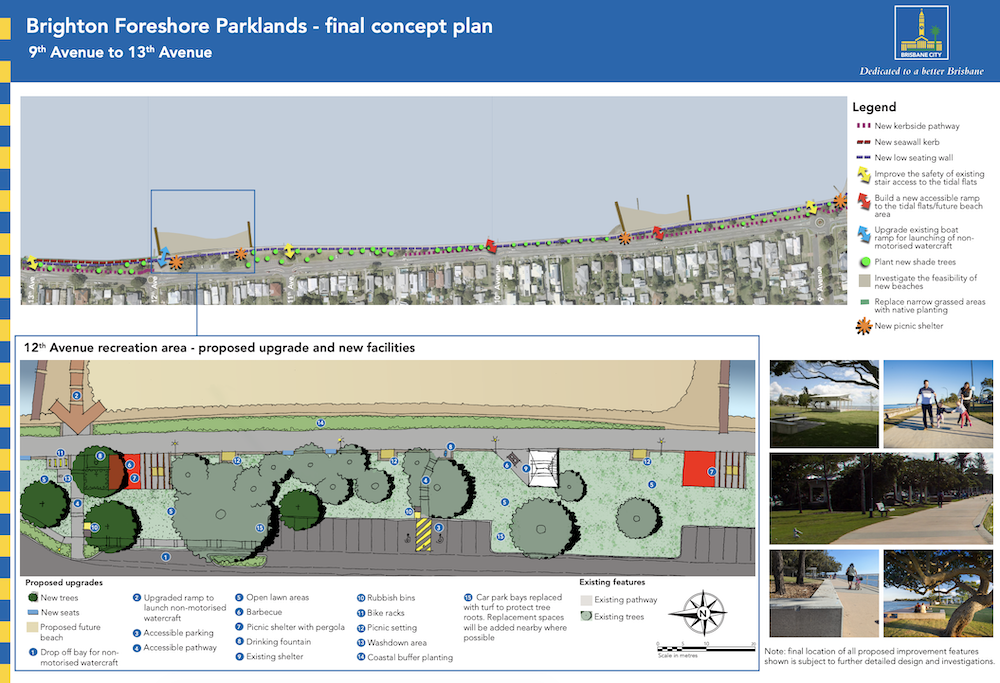
Current works focus on improving access, recreation facilities and public amenities at the 12th and 19th Avenue recreation areas. Planned improvements include accessible pathways, improved beach access, shaded picnic areas, barbecues, seating, bike racks, drinking fountains, landscaping and tree planting.
At 19th Avenue, plans include a new amenities building with accessible facilities, upgraded accessible parking, pathway connections and improved beach access.
Photo Credit: BCC
At 12th Avenue, Council plans a drop-off bay and upgraded ramp for launching non-motorised watercraft, while the broader recreation-area works include accessible paths and parking.
Photo Credit: BCC
$5 million supports first funded stage
The current stage is supported by $5 million in Australian Government funding, through the Priority Community Infrastructure Program.
Council said widening sections of the existing foreshore pathway was left out of the funded stage because further investigations were required and its anticipated cost was greater than $5 million.
Future components of the broader plan will be prioritised according to citywide priorities as funding becomes available.
Community planning began in 2023
Community engagement on the Brighton Foreshore Parklands project began in 2023, followed by the release of a draft concept plan later that year. A final concept plan was published in December 2024, with detailed design, approvals and planning continuing through 2025.
Early works completed in January 2026 included three new picnic settings and trial landscaping treatments. Construction at the 12th and 19th Avenue recreation areas followed in April.
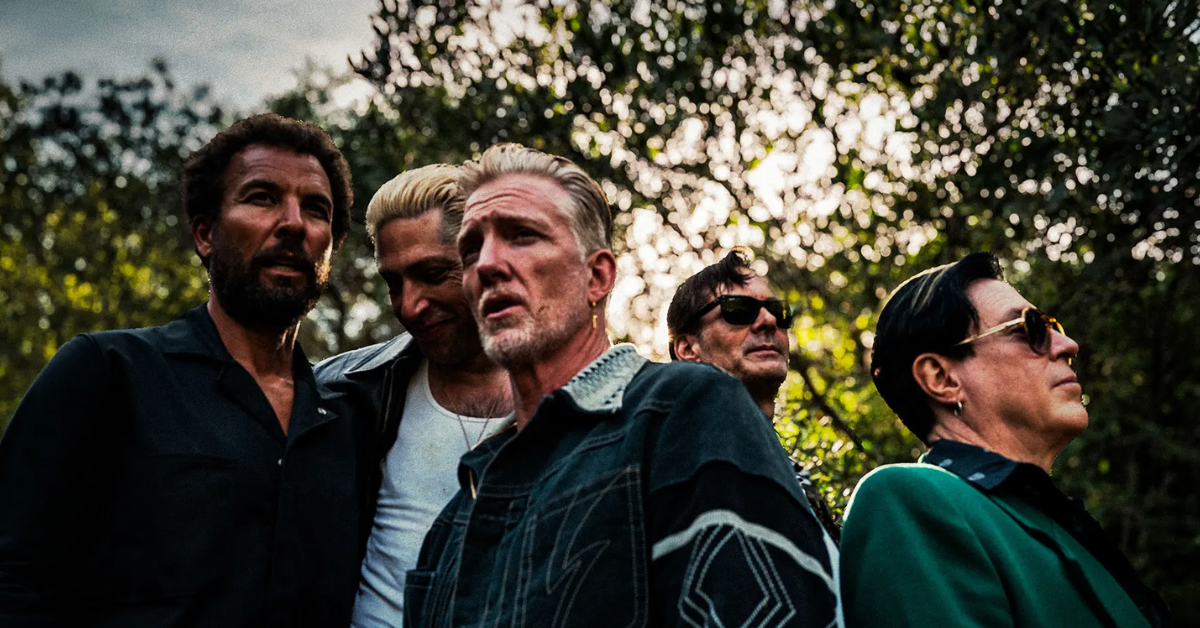
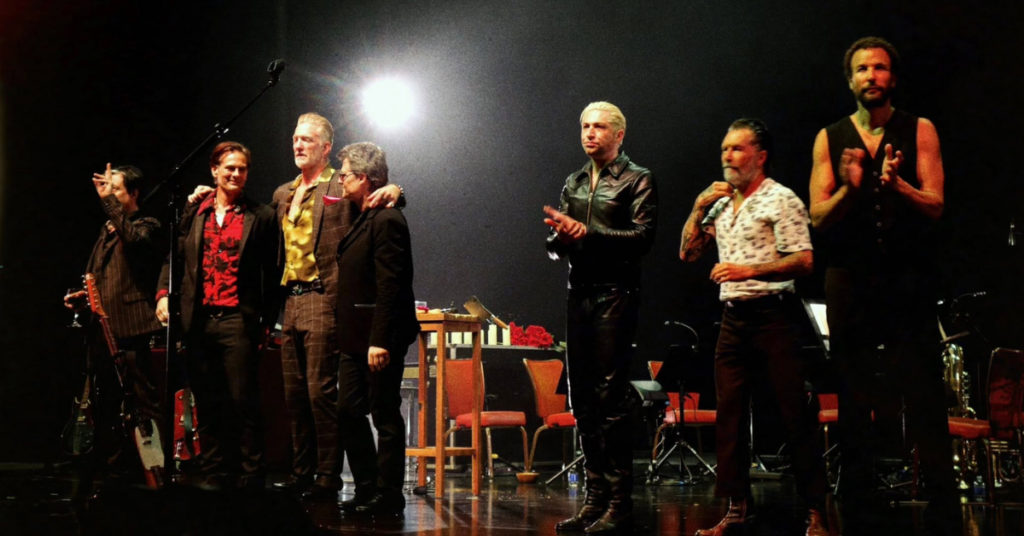
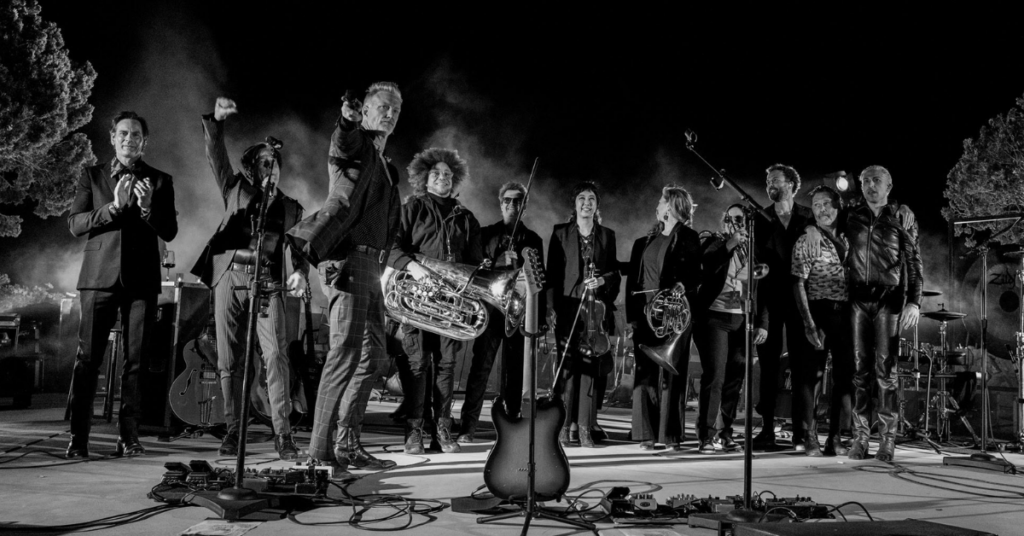
Legendary American rock group Queens of the Stone Age will headline a powerhouse triple-bill concert experience at the Brisbane Entertainment Centre as part of their major return to Australian stages.
Queensland music enthusiasts are gearing up for a massive night as the legendary tour rolls into town. Jagera and Turrbal Land will host the tour’s final stop at the Brisbane Entertainment Centre on Friday, 18 December.
Before reaching Queensland, the national run begins at The Drive in Adelaide on Tuesday, 8 December, moving through the Derwent Entertainment Centre in Hobart on Friday, 11 December, Rod Laver Arena in Melbourne on Sunday, 13 December, Sydney SuperDome on Tuesday, 15 December, and the Newcastle Entertainment Centre on Wednesday, 16 December.
Fans hoping to grab a spot in the crowd can purchase tickets when general public sales open at 11:00 am on Monday, 20 July.
Why settle for a standard concert when you can experience three legendary acts in a single evening? San Francisco bass wizard Les Claypool brings his iconic cult group Primus back down under for their first Australian dates in eight years. Local favorites Tropical Fk Storm will set the initial tone for the night, delivering the raw, inventive performance energy that has made the Melbourne outfit famous.
What surprises are in store for long-time followers? Frontman Josh Homme indicated that the band plans to dig deep into their archive rather than sticking strictly to radio hits. Tour setlists overseas suggest fans might hear tracks like Run, Pig, Run or non-album piece The Machine Took a St and Died—songs left unplayed live for almost twenty years.
Concertgoers will also hear fresh live renditions of the stripped-back single Easy Street, alongside reworked acoustic arrangements inspired by their recent live releases.
From the ashes of 1990s stoner rock legends Kyuss grew a completely new animal. Formed in Seattle in 1996 before establishing roots in the California desert, Homme built a group defined by down-tuned guitar grooves, driving rhythms, and smooth falsetto vocals. The band originally called themselves Gamma Ray, but a legal clash with a German metal group forced a rapid change. Homme embraced the current name after producer Chris Goss made a lighthearted joke, reasoning that the title hit the perfect balance between heavy rock energy and broad appeal.
Stability took time, yet the group hit its groove. Since 2013, the core lineup has remained solid, featuring Homme beside long-time guitarist Troy Van Leeuwen, bassist Michael Shuman, keyboardist Dean Fertita, and former Mars Volta drummer Jon Theodore.
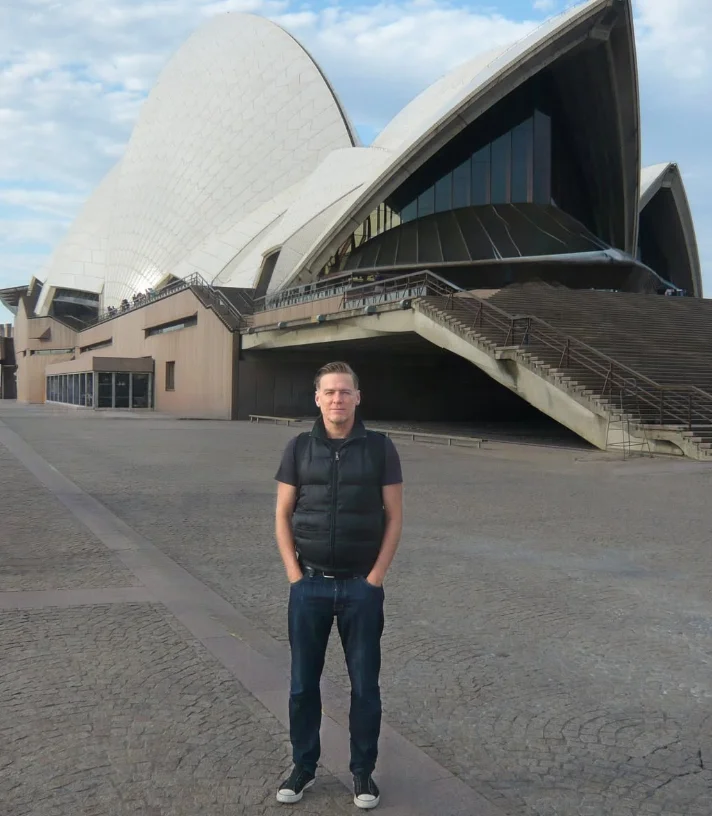
Bryan Adams will perform at the Brisbane Entertainment Centre in Boondall as part of his Roll With The Punches tour, with Natalie Imbruglia joining the Australian dates as special guest.
The concert is scheduled for Monday, 1 March 2027, with a listed start time of 7:45pm that remains subject to change. It will be an all-ages event, and every patron must hold a valid ticket.
Patrons aged 15 or younger must be accompanied or supervised by an adult. The same condition applies to patrons in that age group attending the general admission standing floor.
The Brisbane Entertainment Centre concert is one of five Australian dates on the tour. Adams is scheduled to perform at RAC Arena in Perth on Tuesday, 23 February, Qudos Bank Arena in Sydney on Friday, 26 February, the Adelaide Entertainment Centre on Thursday, 4 March and Rod Laver Arena in Melbourne on Friday, 5 March.
Auckland and Christchurch shows are also planned during the New Zealand leg in March.
The Canadian singer-songwriter has toured internationally for more than four decades and has released 16 studio albums. His catalogue includes Summer of ’69, Run to You, (Everything I Do) I Do It for You and So Happy It Hurts, while his songs have reached number one in more than 40 countries.
His honours include a Grammy Award, multiple American Music Awards and 18 Juno Awards. He has also received three Academy Award nominations and five Golden Globe nominations for songwriting connected with films.
Adams’ work beyond his studio albums includes songs for Spirit: Stallion of the Cimarron and Pretty Woman: The Musical. He established his own label, Bad Records, in 2024.
The current tour is named after Roll With The Punches, his latest album. The album reached top-10 chart positions and generated radio hits in countries around the world.
The tour began in January 2025 and continued through 2026, with the Australian and New Zealand dates extending the schedule into 2027. Adams played 140 shows worldwide during 2025, followed by European and North American touring in 2026 before the Australasian dates.
Natalie Imbruglia will appear as the special guest at each Australian show. Her career honours include eight ARIA Awards and two Brit Awards, along with three Grammy Award nominations.
Frontier Touring and artist presales are listed from noon on Friday, 17 July until noon on Sunday, 19 July. General public tickets are scheduled to go on sale through Ticketek at noon on Monday, 20 July.
Ticket packages include reserved seating, merchandise, commemorative laminates and selected vinyl editions of Roll With The Punches. The Life Is Beautiful package also includes early entry, a production tour and access to a question-and-answer session with Adams featuring one acoustic song.
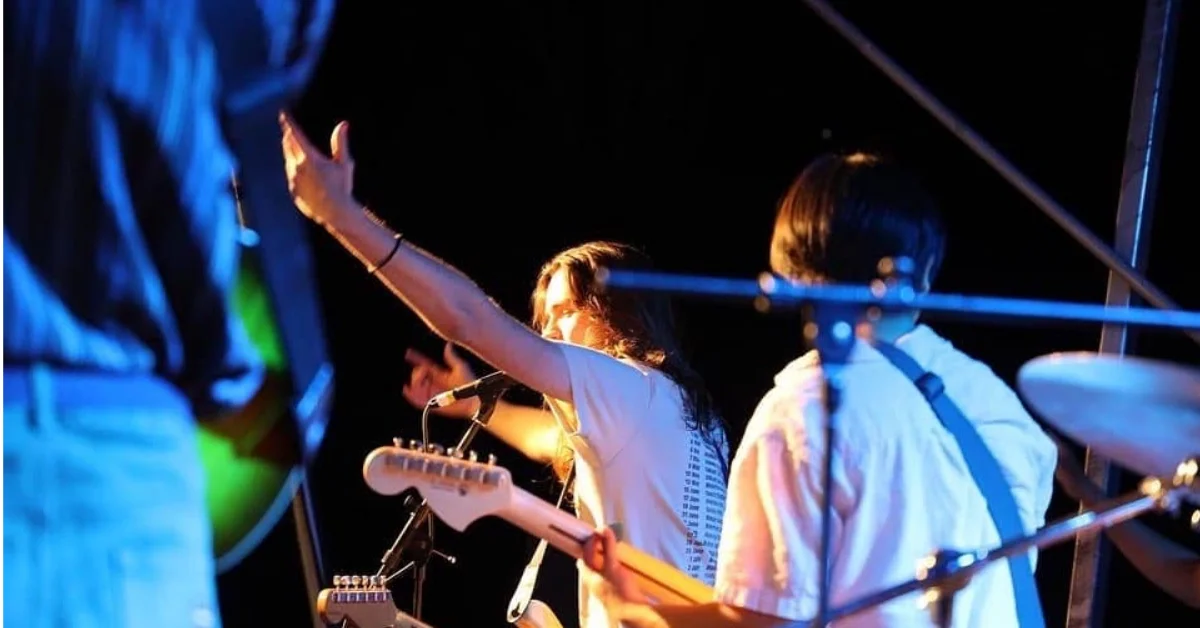
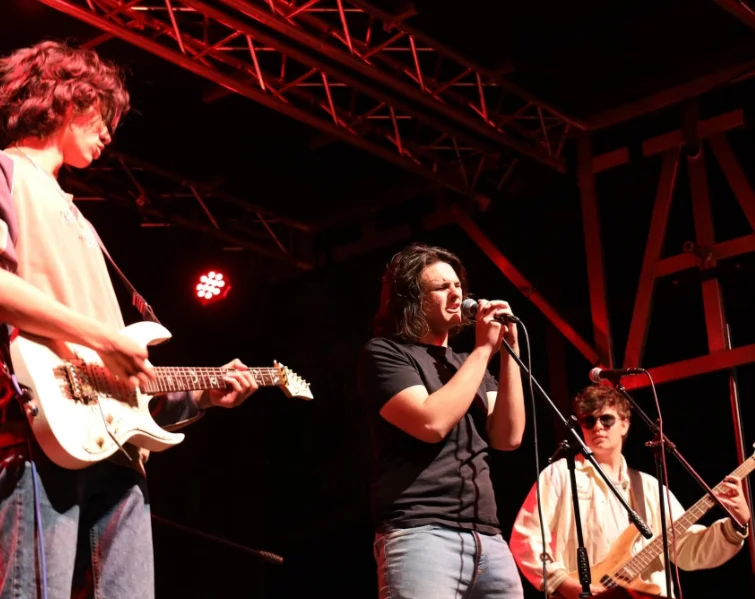
Eight young finalists are preparing to take the stage at the Sandgate Youth Festival after making it through this year’s auditions, bringing a fresh line-up of local talent to Einbunpin Lagoon.
Grace Gardiner, NOENDINGVE, On the Ropes, Tyler Haynes, Noise, Jade Clark, Baba Ganoush and Sabrina Rees have been named as the 2026 finalists.
Their selection follows an audition round that invited performers under 25 to seek a place on the festival stage, whether appearing as solo artists or as part of a band.
Applications closed at midnight on 16 August. The successful entrants will now perform live at the September festival and compete for the chance to win a cash prize, with further prize details not specified.
The finalist announcement shifts this year’s event from auditions to the live showcase, with eight young acts now set to perform at one of Sandgate’s familiar community spaces.
The Sandgate Youth Festival will return to Einbunpin Lagoon on Saturday, 12 September 2026, with the event scheduled from 4:00 pm to 8:30 pm.
The festival has described this year’s program as another showcase of young local talent, placing the selected performers at the centre of the Sandgate event.
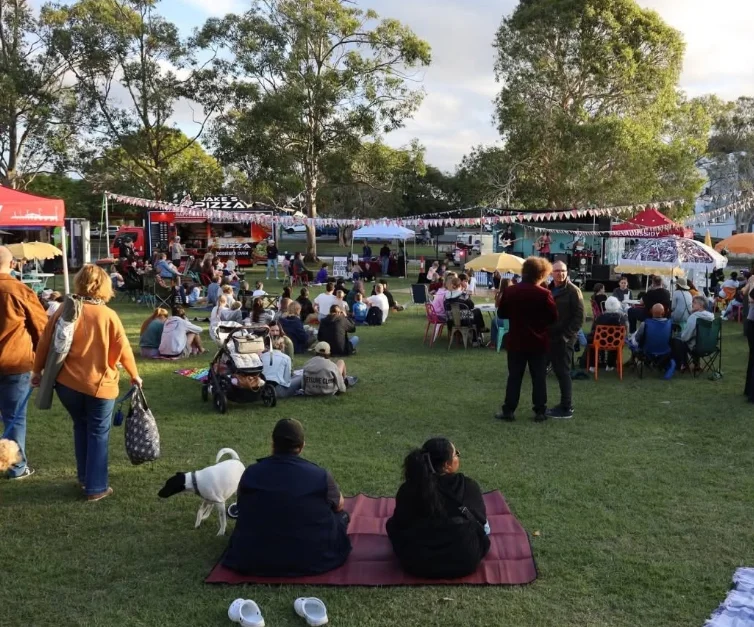
Einbunpin Lagoon Park also hosted the festival in 2025. Last year’s program combined its youth music and performance competition with food trucks, street vendors, market stalls, an open-air dance floor and a picnic setting beside the lagoon.
Those activities relate specifically to the 2025 festival and have not been confirmed as part of the 2026 program.
For this year, the confirmed line-up brings Grace Gardiner, NOENDINGVE, On the Ropes, Tyler Haynes, Noise, Jade Clark, Baba Ganoush and Sabrina Rees together at Einbunpin Lagoon, where the Sandgate Youth Festival will run from 4:00 pm until 8:30 pm on 12 September.
Armed with survival strategies developed by those who have lived through natural disasters, Sandgate residents are stepping up to build neighbourhood defence plans against increasingly extreme local weather.
Emergencies rarely announce their arrival. Will you be ready when the sky turns dark? Rather than waiting for the next bushfire or flood to disrupt their lives, locals are taking proactive steps to safeguard their homes and mental wellbeing.
Organisers emphasise that these preparation tactics are not just theory, as they come directly from individuals who have actually survived past crises.
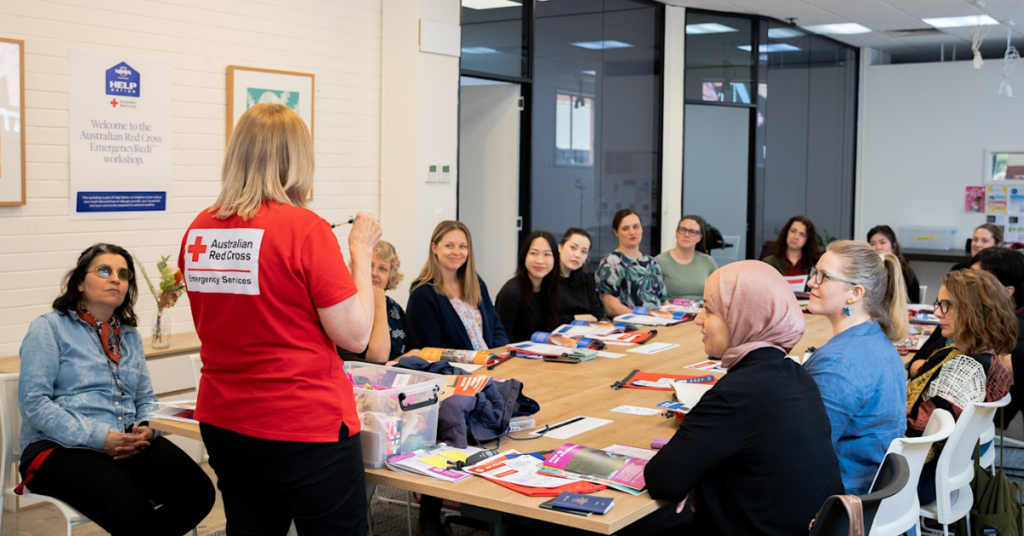
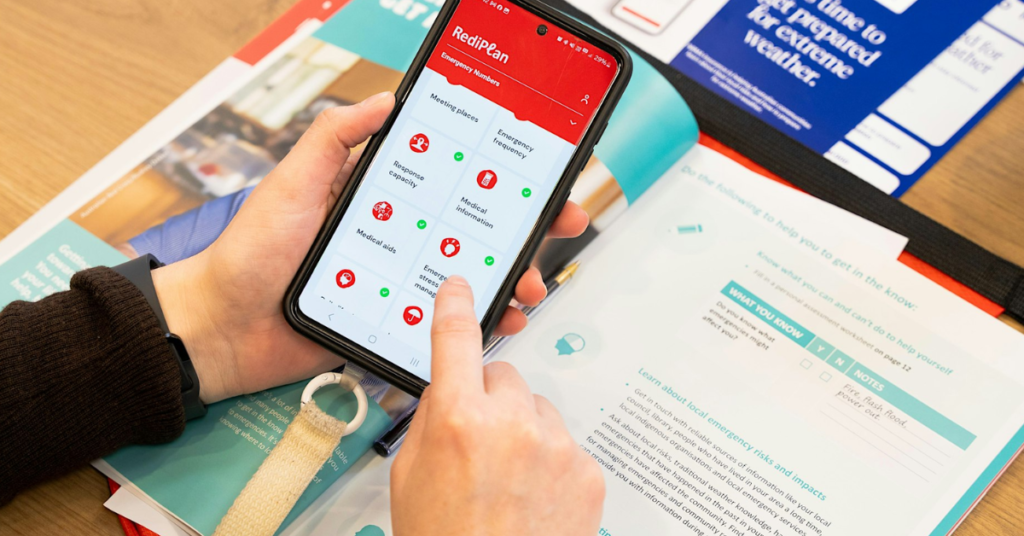
The shift from panic to practical readiness happens at an upcoming free EmergencyRedi workshop. Here, participants tackle the creation of a personal emergency RediPlan. They map out the environmental threats unique to the area and figure out exactly what essential items to grab during a frantic evacuation.
Representatives from NRMA Insurance are joining the initiative to provide hyper-local risk data, ensuring everyone knows exactly what hazards might threaten the town.
Physical survival is only part of the equation. Mental resilience and neighbourly support matter just as much when recovering from sudden hazards. Planners stress that knowing the people next door can save lives. Because the hands-on planning session is strictly limited to 25 people, officials are urging immediate bookings for the upcoming event to guarantee a spot.
Dolly Parton’s death at the age of 80 will be felt a long way from the Tennessee mountains where her remarkable story began. In Brisbane, there are thousands of people who can remember seeing that story play out in person.
Parton performed at the Brisbane Entertainment Centre 10 times across three visits spanning 27 years, beginning with four shows alongside Kenny Rogers in 1987 and ending with three concerts on her Blue Smoke World Tour in 2014.
The country music legend died on Tuesday, 25 August, leaving behind a career that stretched almost seven decades and produced some of the most recognisable songs in popular music.
Brisbane was fortunate enough to welcome her at three very different points along the way.
Kenny and Dolly Arrive in Boondall
Parton’s first documented Brisbane concerts came in February 1987, when the Brisbane Entertainment Centre itself was barely a year old.
Then came Kenny and Dolly.
Parton and Kenny Rogers were already firmly associated in the public imagination through Islands in the Stream, their huge 1983 duet, and Real Love, released two years later. Their Australian tour reached Boondall for an extraordinary four concerts in five nights, on 23, 24, 25 and 27 February.
For Brisbane audiences, this was Dolly at the height of her crossover fame. She had already made 9 to 5, established herself on the big screen and taken songs such as Jolene and I Will Always Love You well beyond their country music beginnings.
Those four nights also began a long association between Parton and the Entertainment Centre, the venue she would return to on both of her later Brisbane visits.
A 24-Year Wait for Her Return
Brisbane then waited a very long time for another Dolly Parton concert. She finally returned in November 2011 on the Better Day World Tour, playing three consecutive nights at the Brisbane Entertainment Centre on 25, 26 and 27 November. The middle show was sold out before the tour arrived.
A generation had passed since the Kenny Rogers concerts, but Parton’s audience had become broader rather than smaller. Whitney Houston’s version of I Will Always Love You had introduced her songwriting to millions more listeners, while 9 to 5, Jolene and Coat of Many Colors had become songs parents could share with children who weren’t even born when Dolly first played Boondall.
The 2011 tour marked her return to Australia after a lengthy absence, and Brisbane’s three-night run showed there was still considerable appetite to see her. At 65, she wasn’t simply revisiting an old catalogue either: Better Day, her 41st studio album, had been released only months earlier.
Brisbane’s Last Chance to See Dolly
The wait for the next visit was much shorter. Parton returned to Boondall in February 2014 on her Blue Smoke World Tour, performing on 21, 22 and 25 February.
Australia had a prominent place in that chapter of her career. The Blue Smoke album was released first in Australia and New Zealand to coincide with the tour and went to No. 1 in both countries.
A review of her Brisbane show that month found a 68-year-old Parton still moving comfortably between the old and the new. Jolene appeared early, Coat of Many Colors drew on the Tennessee childhood that shaped so much of her songwriting, and Islands in the Stream and 9 to 5 helped bring the show towards its close before I Will Always Love You finished the night.
There was new material as well, along with the humour and storytelling that had become as much a part of a Dolly Parton concert as the rhinestones.
Few in those audiences could have known that these would be her final Brisbane appearances.
Parton eventually announced in 2022 that she was finished with large-scale touring, although she continued recording and making occasional appearances. She released the rock album Rockstar the following year and remained musically active into her late 70s. In January this year, she marked her 80th birthday with a new recording of Light of a Clear Blue Morning.
For Brisbane, though, the memories lead back to Boondall. Between February 1987 and February 2014, Dolly Parton walked onto the Brisbane Entertainment Centre stage 10 times. Some fans saw her beside Kenny Rogers, others waited 24 years for her return, while a younger generation caught her during those final Australian shows.
She never made it back to a Brisbane stage after 2014, but for the people who filled the Entertainment Centre on those 10 nights, Dolly Parton wasn’t always a legend somewhere far away in Tennessee.
For Queenslanders with ADHD, getting a diagnosis can be only the beginning. Ongoing treatment has often meant specialist appointments, long waits and significant costs. Changes to Queensland’s prescribing rules are giving specialist GPs a greater role in ADHD treatment — bringing more of that care into general practice.
Since 1 December 2025, specialist GPs in Queensland have been able to initiate, modify and continue psychostimulant treatment for adults with ADHD, within existing maximum dose limits.
Queensland Health says the reforms are intended to reduce specialist bottlenecks, waiting lists and financial barriers, while improving continuity of care through general practice.
Getting to the point of treatment can be difficult in itself. University of Wollongong research published this year found the total cost of an ADHD assessment in Australia averaged almost $1,400 and could approach $4,000. Adults waited an average of just over 10 weeks for a first appointment, with some reporting waits of up to a year.
It is an access problem a newly opened Brighton medical centre hopes to address locally.
When Patients Hit a Wall
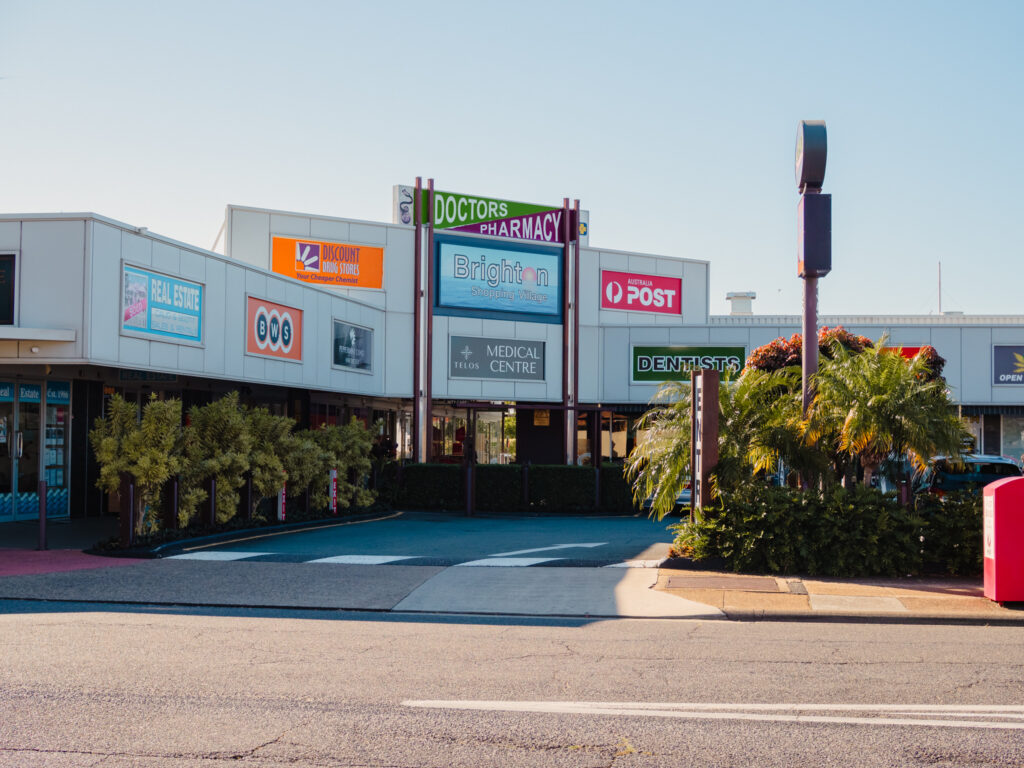
View from the road. Photo Credit: Telos Medical Centre
Telos Medical Centre began seeing patients at 353 Beaconsfield Terrace in Brighton in July and held its official community opening on 19 August 2026.
Medical Director Dr Anchita Karmakar said ADHD became a particular interest after seeing the same problem repeatedly in clinical practice.
“Patients, very often adults, would arrive having already worked out for themselves that something was going on,” she said.
“They had done the reading, they recognised themselves, and then they hit a wall.”
Dr Karmakar said some of the patients she had seen had previously been treated for anxiety or depression without ADHD being identified.
Dr Karmakar’s work in correctional and population health gave her another view of what can happen when assessment and treatment remain out of reach.
“When assessment is inaccessible, the people who miss out are the ones with the least money and the fewest resources,” she said. “That is a health equity issue, not a niche one.”
Telos lists ADHD assessment fees of $500 for adults and $300 for children, with the children’s assessment bulk billed.
What is ADHD?
Attention deficit hyperactivity disorder (ADHD) is a neurodevelopmental condition that begins in childhood, although it may not be diagnosed until adolescence or adulthood.
It can affect attention, organisation, impulse control and activity levels, with symptoms varying considerably between people. ADHD can affect study, work, relationships and everyday life. Healthdirect estimates
around one in 20 Australians has ADHD.
Treatment and support are tailored to the individual and can include psychological therapies and medication.
Diagnosed Only in Midlife
Women who reach adulthood without ADHD being recognised are another area of interest for Dr Karmakar.
She said girls with predominantly inattentive presentations could be quiet and academically capable. Some learned to compensate through effort and perfectionism, making their difficulties less conspicuous at school.
Dr Karmakar said perimenopause can be the point when some women begin questioning why strategies that once worked no longer seem enough.
Sometimes the clue comes from much closer to home.
“What brings them in is usually a combination of that sudden loss of function and a trigger, often a child being assessed for ADHD and the mother recognising every item on the checklist,” Dr Karmakar said.
After Brighton Lost Its Medical Centre
Telos has also arrived at a time when the suburb has been adjusting to the loss of a longstanding local medical service.
Brighton Medical Centre closed in 2025. Dr Karmakar said she heard from residents who had since been travelling to Sandgate, Redcliffe and further afield for everyday healthcare, including prescriptions, care plans and childhood immunisations.
For older residents without ready access to transport, delaying an appointment could become the easier option.
“When a long-standing practice closes, the relationships close with it,” she said. “People do not just lose a building, they lose the GP who knew their history.”
At A Glance
Telos Medical Centre Brighton
Where
6/353 Beaconsfield Terrace, Brighton
Medical Care
General practice, nurse practitioner, blood-borne virus care and S100 prescribing,
cardiology diagnostic services, gender-affirming care and skin cancer checks.
Assessments
Neurodevelopmental assessments and sleep studies.
Allied and Complementary Health
Podiatry, chiropractic, naturopathy and nutrition.
Other Services
IV infusion.
Brighton Team
Dr Anchita Karmakar, Dr Matthew Cockburn, Dr Ian (Zac) Unverzagt,
Dr Jo Butterfield, Nurse Practitioner Steward Rae, Naturopath Ananda Mahony,
Chiropractor Wayne Haynes and Podiatrist Belinda Morris.
Opening Hours
Monday to Friday, 9am–5pm. The clinic accepts new patients of all ages.
One Patient, Rather Than Separate Problems
The Brighton centre is not structured solely around general practice. GPs and a nurse practitioner work alongside allied and complementary health practitioners, with an emphasis on keeping different parts of a patient’s care connected.
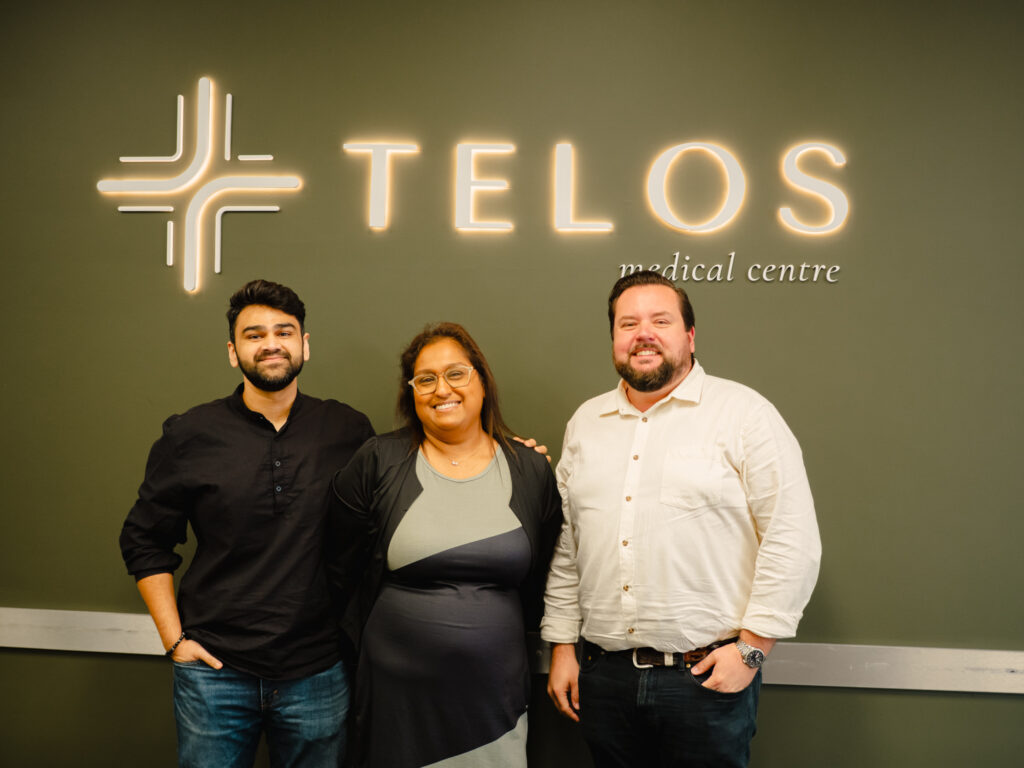
Practice Manager Abir Karmakar, Medical Director Dr Anchita Karmakar, Jared Cassidy – Deagon Ward. Photo Credit: Telos Medical Centre
Dr Karmakar uses the example of someone arriving with fatigue, poor sleep, low mood and aches — symptoms that could otherwise send a patient to several different providers.
She said the GP can begin the investigation and, where appropriate, involve other practitioners within the centre so different aspects of the patient’s care can be coordinated.
“The practical difference is that things happen faster, fewer things fall through the cracks, and the patient feels like there is one team looking after her rather than a list of appointments to manage,” she said.
Making the System Easier to Navigate
The founders’ own family experiences of neurodivergence have also shaped some of the smaller details of the practice.
Dr Karmakar said patients can receive written appointment summaries and reminders, while staff are encouraged not to assume that everyone processes or prefers to receive information in the same way.
Her background extends beyond medicine. She also holds a Juris Doctor, which she said has reinforced the importance she places on informed consent and straightforward communication.
“Patients should understand what is being done, why, and what it costs before it happens,” she said.
For all the discussion about models of care, Dr Karmakar’s measure of whether the Brighton practice succeeds is considerably simpler.
“I would like Telos to be the clinic where people in Brighton feel known,” she said.
“I would feel we had succeeded if someone who had been putting off care for years because it was too hard or too far finally got it sorted here.”
For people who have spent years navigating referrals, waiting lists and disconnected appointments, that may be the more consequential shift.
For people who have spent years navigating referrals, waiting lists and disconnected appointments, that may be the more consequential shift. The changes underway in Queensland are creating more opportunities for ADHD care to happen closer to home.
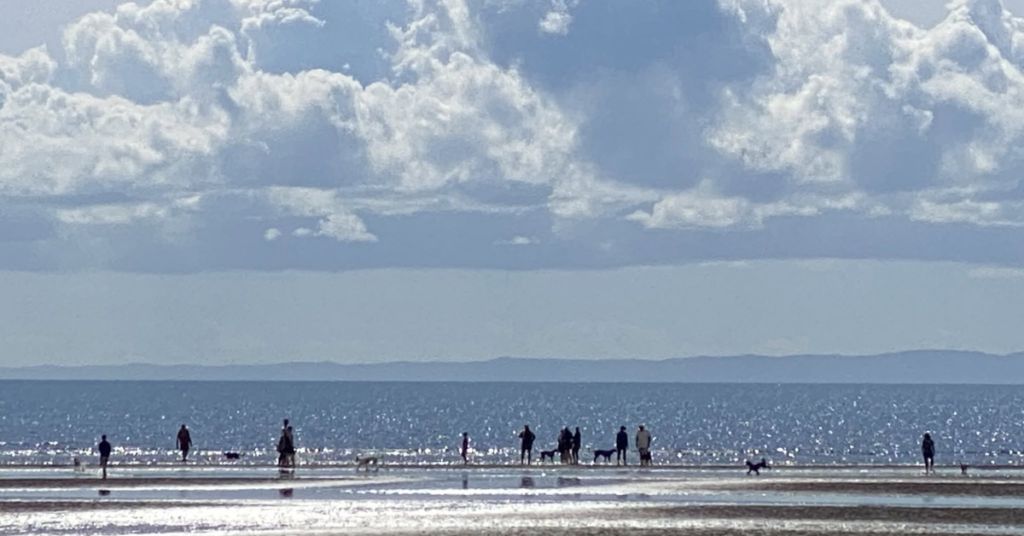
With human trafficking threatening thousands of young lives, Moreton Bay locals are urgently mobilising along the coastline to raise critical rescue funds.
Why do families, school groups, and even dogs spend their weekend mornings hitting the pavement? The answer lies in a shared commitment to child safety. Dr Annie Holden explains that the gathering brings neighbours together so vulnerable youth can finally grow up safe and full of hope.
Instead of a rigid race, this community trek welcomes every fitness level. Strollers can take a breezy coastal route, while seasoned endurance runners tackle longer stretches toward Redcliffe.
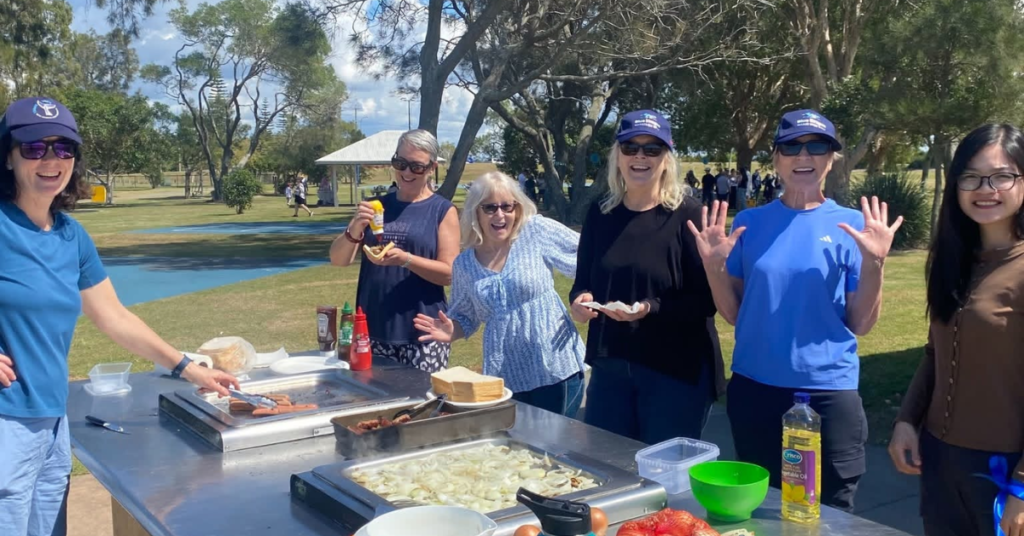
Behind the local barbecue smoke and morning chatter sits a heavy, vital mission. The Blue Dragon Children’s Foundation—founded back in 2004 by Australian Michael Brosowski—operates directly on the ground in Vietnam.
Plucking kids out of forced labour takes immense courage, yet rescues are only the beginning. Survivors receive safe housing, legal advocacy, schooling, and family reunification support. Thousands of young lives have completely turned around because ordinary people decided to step up and fund these life-altering programs.
Decker Park serves as the ultimate hub for the morning. Early birds can register right at 7:00 am before hitting the shoreline paths. Fancy a quick two-kilometre walk or a massive forty-two-kilometre marathon? Both options are mapped out and ready.
Organisers kindly ask everyone to wrap up their journey by 10:00 am so the real fun can begin. A sizzling community barbecue fires up alongside free morning refreshments, making it easy to grab a blanket, relax by the water, and celebrate a morning well spent.
For families inspecting a rental, mould, leaks and poor ventilation may be obvious warning signs. Methamphetamine contamination is far harder to spot. Growing awareness of contaminated rental properties across Queensland is prompting questions about what tenants can know before they move in.
The issue has a direct connection to Zillmere, where one rental property became so severely contaminated with methamphetamine residue that it ultimately had to be demolished. The property was found to have methamphetamine contamination after it had been occupied by tenants. Several cleaning attempts followed, but the contamination returned, eventually leading to a lengthy dispute with the insurer.
When a clean home is not necessarily clean
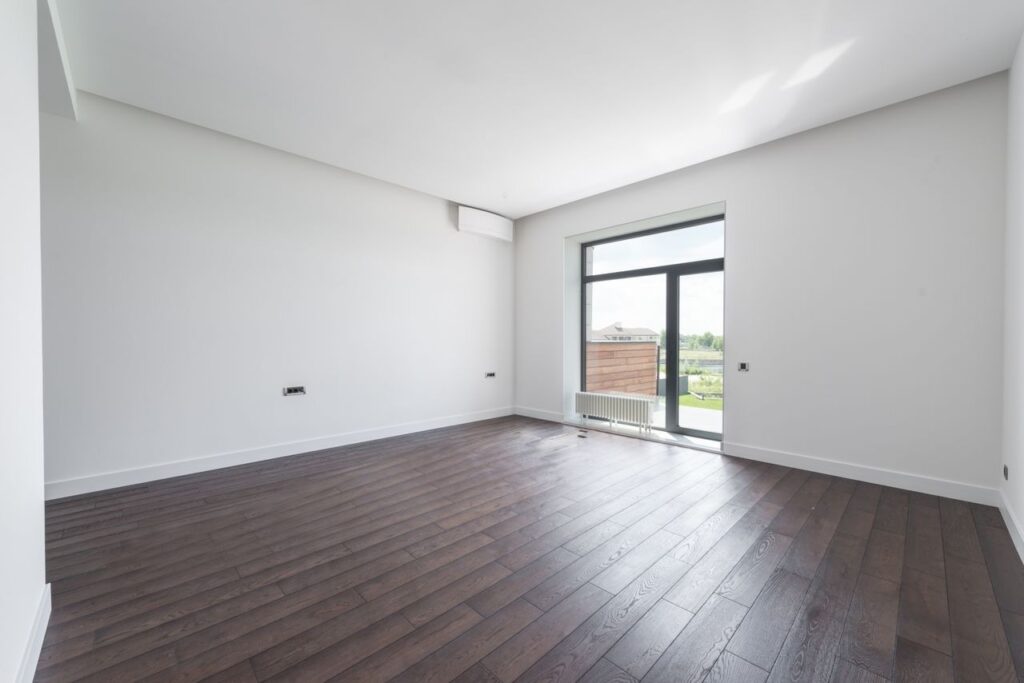
Photo credit: Pexels/Polina Tankilevitch
The Zillmere property was intended to become the owner’s home after it had been used as an investment property. Instead, repeated contamination prevented that plan from going ahead. The insurer ultimately agreed to pay the property’s full insured value during the dispute resolution process.
The case comes as specialists in Queensland report treating more homes affected by methamphetamine residue. One specialist told recent media that ordinary bond cleaning and repainting are not enough to remove contamination, with professional remediation costing between $10,000 and $30,000 depending on the property.
The potential impact on children has also emerged as a concern. One family in Queensland initially suspected mould was affecting their 10-year-old child. Testing later identified methamphetamine contamination in the home.
What are renters told?
Photo credit: Pexels/Max Vakhtbovych
Queensland currently has no specific legal requirement for landlords to disclose a property’s history of drug contamination to prospective tenants, according to the Real Estate Institute of Queensland.
The Residential Tenancies Authority also does not maintain a register or watchlist of properties known to be contaminated.
That does not mean rental providers can leave a contaminated property in an unsafe condition. The RTA says rental properties must meet requirements covering liveability, repair and relevant health and safety standards. Where drug contamination affects a property’s condition, remediation may be necessary.
For someone inspecting a rental, however, there is no publicly available contamination register to check before signing a lease.
Calls for a contamination register
The absence of such a register has fuelled calls for greater transparency, including proposals for mandatory testing and a system recording properties with a known contamination history.
Supporters of those measures argue they could give prospective tenants more information before committing to a home.
Queensland Health advises that contamination from illicit drug activity can remain in a property and says appropriate assessment, cleaning, and post-clean-up testing may be required. For renters in Brisbane, the Zillmere case puts the issue close to home. It also demonstrates the difference between a property’s appearance and its history.
A freshly painted rental may look reassuring, but paint and a standard clean do not establish whether methamphetamine contamination has previously occurred. The debate now centres on how much information prospective tenants should be able to access before making one of the biggest decisions a family can face: where to live.
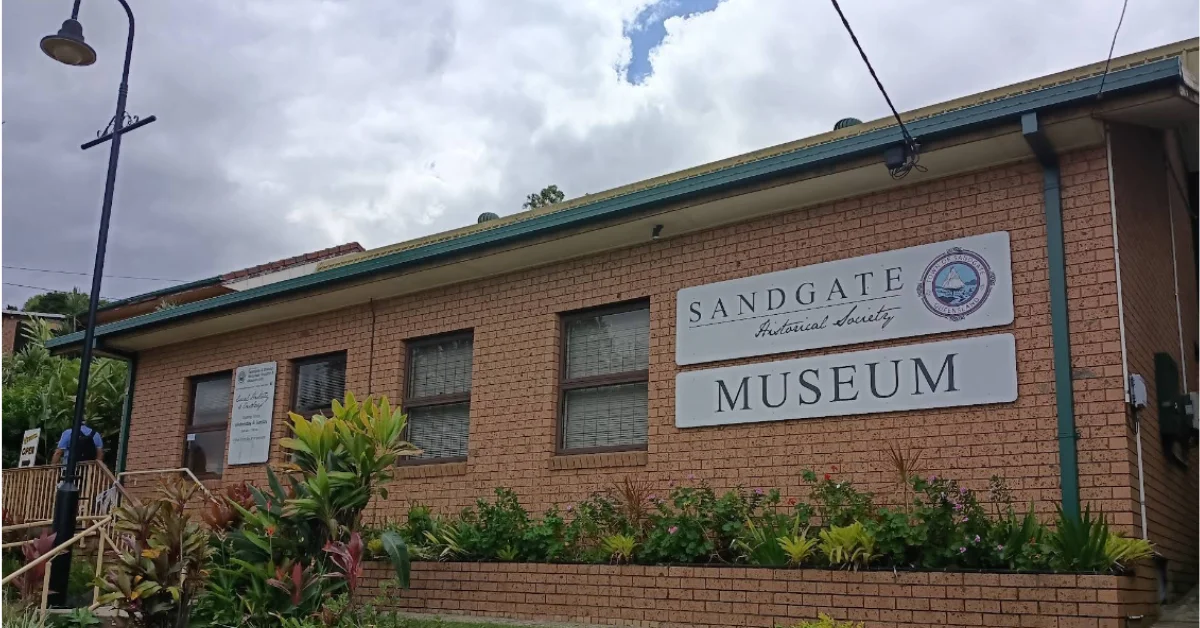
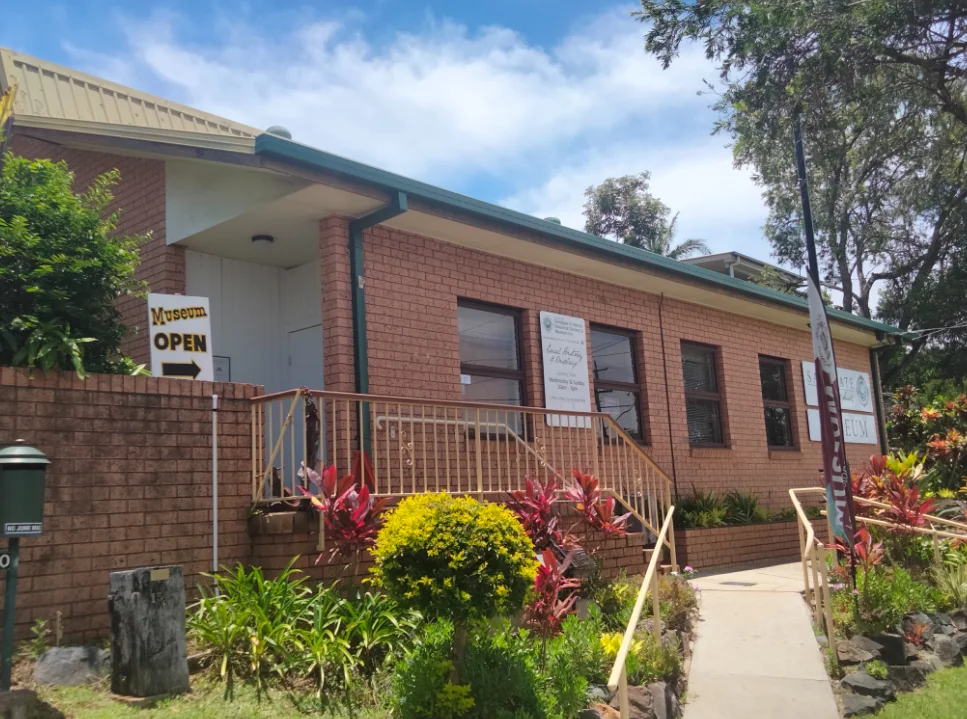
For more than 40 years, Sandgate Museum has given residents a place to trace families, research houses, explore old photographs and learn about the district. Now the volunteer-run organisation is asking for community support as it prepares to tackle ageing and termite damage at its Rainbow Street home.
The Sandgate and District Historical Society was formed in 1983 by residents interested in preserving the history of the district.
In 1993, the society purchased its building at 150 Rainbow Street, Sandgate, where the museum continues to operate today.
Inside its collection are photographs, written histories, stories and objects connected with the area. Research held by the museum covers local families, houses, businesses, churches, sporting groups, cinemas, theatrical groups and local identities.
The museum also assists people looking into the history of their families and properties and provides access to historical resources and publications.
Its role extends into regular community activities. Monthly Morning Teas with History, special historical talks and community Walks and Talks give residents opportunities to engage with local history beyond the museum’s displays.
Historians and other community members can also use the museum for research.
Ageing Building Creates A New Challenge
While the society has spent decades preserving Sandgate’s past, attention has now turned to the building housing that work.
Parts of the property date to the early 20th century, and the museum says much of the building and its fittings require refurbishment.
A recent inspection identified deterioration associated with the building’s age, compounded by termite damage within the structure.
The management committee also wants future improvements to make the museum safer and more accessible for everyone, including people with disabilities.
The first phase of the proposed building project will focus on planning, design and approvals. It is expected to include feasibility assessments, surveys, design and certification and is estimated to cost about $25,000.
That preliminary work is required before physical restoration can begin.
The museum is a membership-based, non-profit organisation staffed by volunteers and overseen by a management committee.
Its funding comes from membership fees, fundraising activities and events, supplemented by approved government grants, making substantial building expenses difficult to absorb through ordinary operations.
The fundraiser page displayed a $13,000 target and showed $7,785 raised from 29 donations. That fundraising target is separate from the approximately $25,000 estimated cost of the complete first phase.
Support listed on the campaign includes a $5,000 donation from Bubba Gump Shrimp Co Sandgate, along with contributions from Lift HQ Sandgate, individual donors and anonymous supporters.
For the volunteer organisation, the immediate focus remains on securing the planning, survey, design and certification work needed before restoration of the Rainbow Street building can move ahead.