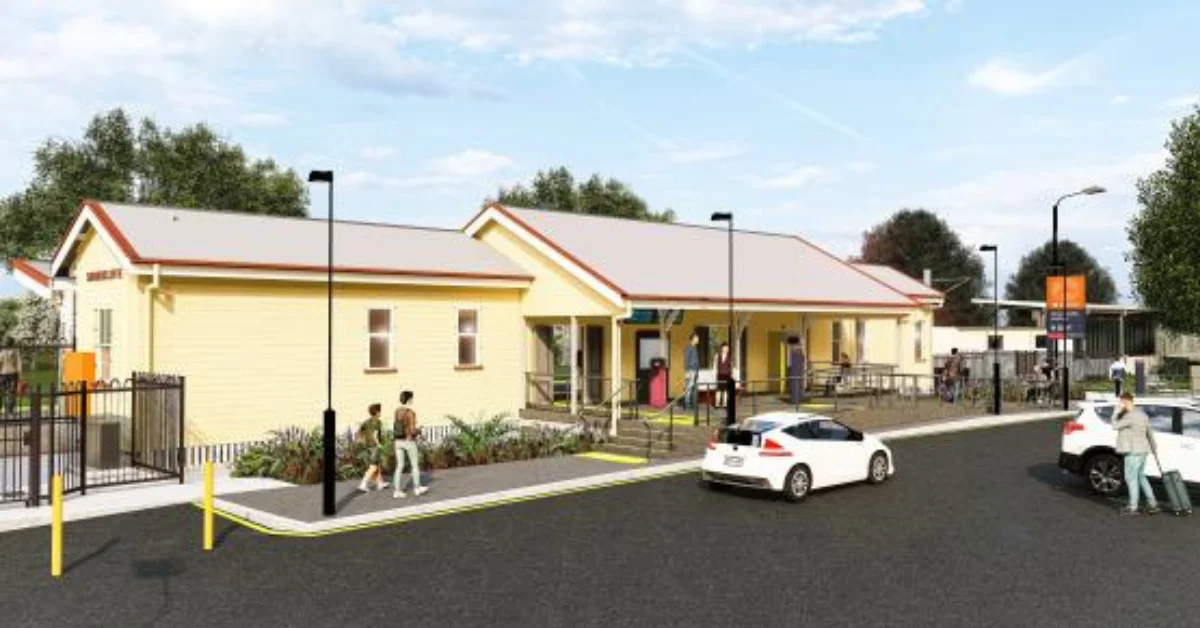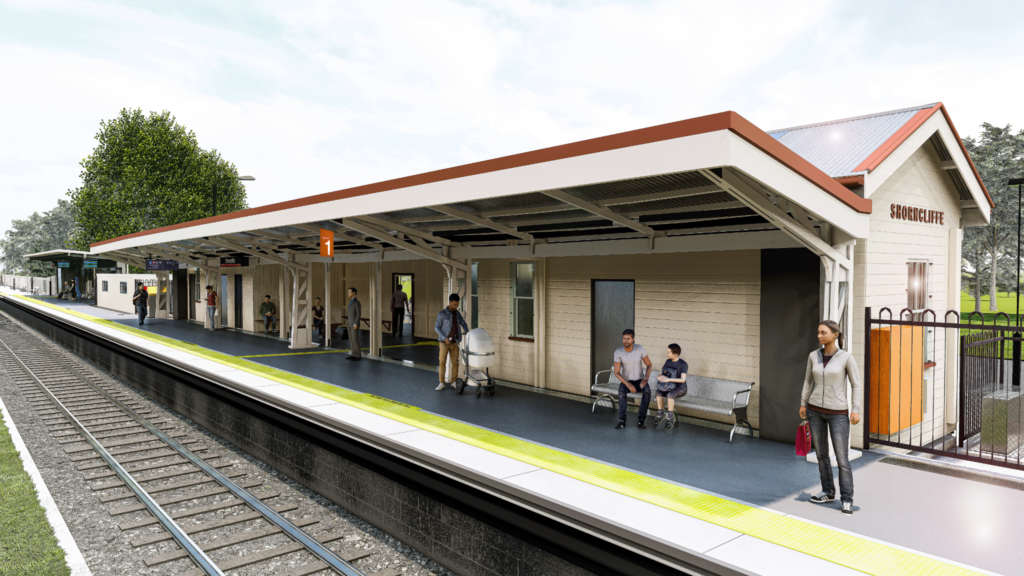




Shorncliffe College Plans New Sports, Science and Innovation Centre 

Plans for a new sports, science and innovation centre at St Patrick’s College in Shorncliffe would add teaching, sport and allied health facilities to the campus, with opposing comments raising concerns about design, traffic, noise and nearby streets.


Shorncliffe Centre Proposed For St Patrick’s College

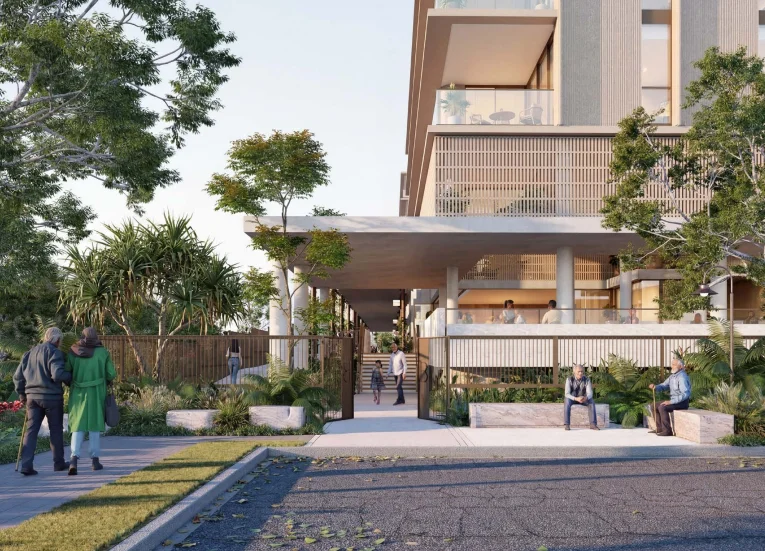
St Patrick’s College has lodged plans for a new three-storey sports, science and innovation centre at its Shorncliffe campus.

The proposal applies to the college site at 60 Park Parade and is listed as a material change of use for an extension to an existing educational establishment. The application remains in progress.

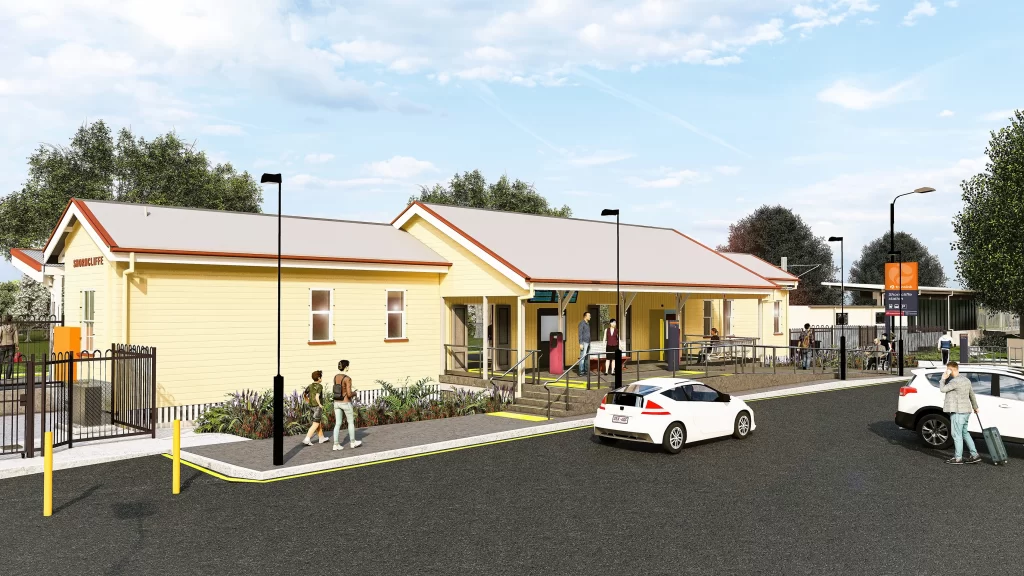
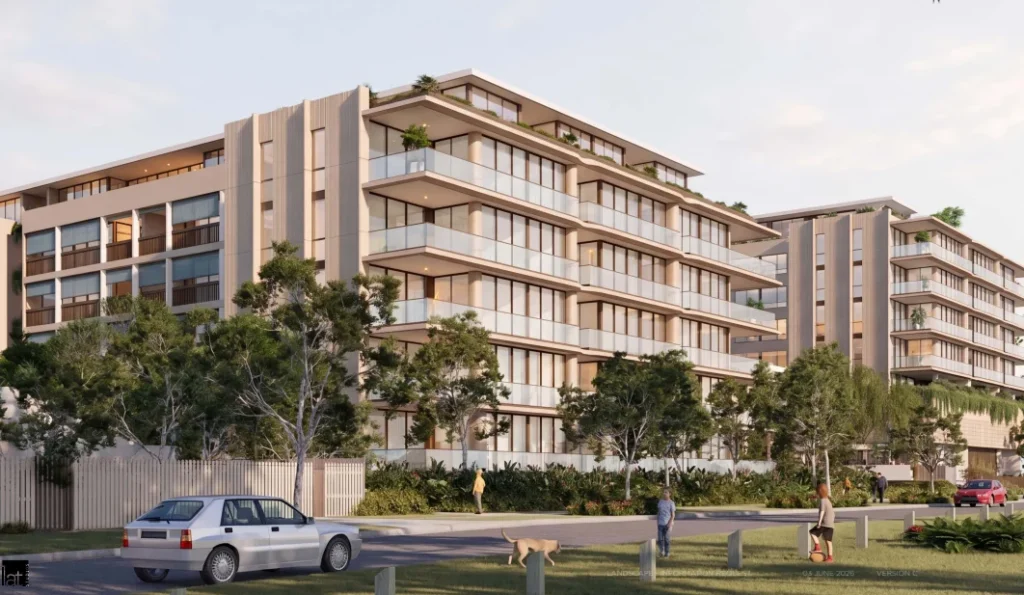
The new centre would be built on the south-western part of the campus, fronting Pier Avenue and Yundah Street. Existing infrastructure, including the two-storey Callan Centre, would be demolished to make way for the project.

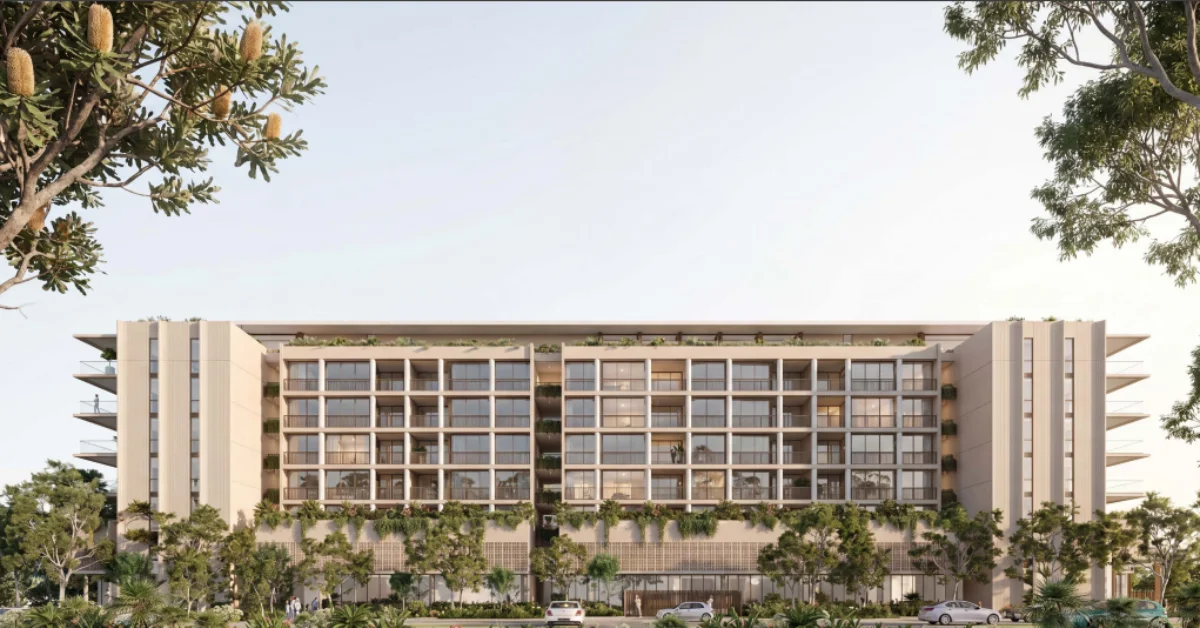
The proposed building would provide about 4,631 square metres of new educational infrastructure and reach about 12 to 13 metres in height.

St Patrick’s College
Photo Credit: DA/A007044053

New Sports, Learning And Allied Health Spaces

Plans for the sports, science and innovation centre include facilities across basement, ground, first-floor and rooftop levels.

The basement would include 82 car parking spaces, including accessible bays, along with 20 bicycle spaces, three motorcycle spaces, plant areas and service spaces.

The ground level would include two indoor basketball courts with spectator seating, an entry foyer, landscaped arrival space, kiosk, learning areas, sports storage and amenities.

proposed building Brisbane
Photo Credit: DA/A007044053

Level 1 would include a gymnasium, sports administration offices, learning spaces, allied health clinician rooms, staff facilities and amenities.

The rooftop level would include outdoor sports courts, a rock-climbing wall, storage, kiosk and amenities.

The design also includes a minimum three-metre landscape buffer along Yundah Street, awnings along Pier Avenue, and changes intended to improve shelter and street-facing areas around the building.

Brisbane developments
Photo Credit: DA/A007044053

Objections Raise Shorncliffe Design And Traffic Concerns

Opposing comments have raised concerns about the proposed building’s scale, appearance, rooftop sporting areas, traffic, parking, pedestrian safety, noise and relationship with the surrounding Shorncliffe streetscape.

One objection supported the general intention to develop the site and strongly supported the proposed underground car park, but opposed parts of the current design.

That objection sought changes to the building’s height, bulk and external materials. It also requested the removal or enclosure of the rooftop basketball court and bouldering wall, along with stronger traffic and pedestrian safety measures before construction.

Another objection raised concerns about consultation, setbacks along Pier Avenue, the rooftop court, acoustic and traffic assessments, and whether school facilities provide amenity to the wider local community.

The comments also referred to Shorncliffe’s character and heritage setting, including concerns about modern materials and rooftop sporting features near traditional and heritage-related buildings.

sports, science and innovation centre
Photo Credit: DA/A007044053

Application Remains In Progress

The application record lists the proposal as code assessable, with the use described as an educational establishment extension.

The application was submitted on 12 June 2026, recorded as properly made on 23 June 2026, and had a confirmation notice sent on 30 June 2026.

Public notification is listed as not applicable. The application record also notes that a properly made submission cannot be lodged for the application.

St Patrick’s College describes its campus as being located by Moreton Bay, with existing facilities including sport facilities, basketball and tennis courts, science labs, a library, gym, arts classrooms, music classrooms, a design technology workshop, chapel and school precincts.


The campus also includes Morven, a central college building dating to 1864. The college began classes there in 1952.

The development application remains under assessment.

Published 6-July-2026

Photo Credit: DA/A007044053

Socceroos’ World Cup Ends In Penalty Heartbreak Against Egypt

The Socceroos had the game in front of them.

Not comfortably. Not cleanly. But after falling behind early, losing Jordy Bos before halftime and riding out Egypt’s late pressure, Australia had dragged its Round of 32 clash in Arlington all the way to penalties.

That was where the dream ended.

Australia’s FIFA World Cup campaign came to a painful close at Dallas Stadium on Saturday, July 4 (AEST), beaten 4-2 in a shootout by Egypt after the match finished 1-1 following extra time.

For the Socceroos, it means the wait for a first men’s World Cup knockout victory goes on. For Egypt, it means a place in the Round of 16 and a meeting with Argentina.

Australia Starts Brightly But Pays For One Lapse

Tony Popovic kept faith with the same starting side that drew 0-0 with Paraguay, with Harry Souttar again captaining the team and Nestory Irankunda leading the line.

Australia began with enough intent to suggest the occasion had not overwhelmed them. Cristian Volpato skimmed the top of the bar from distance, Jordy Bos carried the ball with purpose down the flank, and the Socceroos found early joy whenever they moved the ball quickly into Egypt’s half.

Egypt, though, needed only one lapse to take the lead.

After Australia failed to fully clear a set-piece situation in the 13th minute, Karim Hafez clipped the ball back into the area and Emam Ashour timed his run superbly to head past Patrick Beach.

From Australia’s perspective, it was a disappointing goal to concede after such a positive opening.

The response, however, was encouraging. Australia did not retreat or allow the match to drift away. Volpato continued to find pockets of space, Aziz Behich forced Mostafa Shobeir into a save after clever work from Irankunda, and a series of set pieces gradually began asking questions of Egypt’s defence.

By halftime, the Socceroos were still behind, but they remained firmly in the contest.

The greater concern was Bos, who was forced off with a knee injury after a heavy challenge late in the half. Kai Trewin replaced him for his World Cup debut.

O’Neill Delivery Brings Australia Back

The second half opened with chances at both ends.

Omar Marmoush squandered a major opportunity for Egypt soon after the restart, while Jackson Irvine’s cross at the other end only just escaped Connor Metcalfe arriving at the back post.

Australia eventually found its reward in the 55th minute through a set piece that had looked increasingly dangerous throughout the morning.

Aiden O’Neill won the free kick before curling an inviting ball into the six-yard area. Mohamed Hany attempted to deal with it but could only glance the ball into his own net.

It went down as an own goal, but Australia had earned it through sustained pressure and persistence.

For a period after that, the match felt there to be taken. Popovic introduced Mohamed Touré and Ajdin Hrustic as Australia searched for fresh legs and greater attacking spark, but neither side could find the decisive breakthrough.

Egypt finished regulation time strongly and Beach, who had already been one of Australia’s standout performers throughout the tournament, produced another defining moment when he somehow kept out Rami Rabia’s powerful header to force extra time.

Penalty Gamble Falls Short

Extra time was tense rather than expansive.

Egypt enjoyed more of the territory without creating many clear openings, while Australia looked to spring forward whenever space appeared. Awer Mabil, introduced alongside Paul Okon-Engstler at the start of extra time, created Australia’s final opportunity when he won a free kick just outside the penalty area in the 117th minute.

His effort struck the defensive wall.

With penalties approaching, Popovic made one final change.

Maty Ryan replaced Beach in the 119th minute, taking over both the gloves and the captain’s armband for the shootout.

It was a bold decision and one that will inevitably be discussed. Beach had been outstanding throughout the tournament, but Popovic backed the experience of Ryan for the penalties.

Egypt held its nerve.

Jackson Irvine and Mabil converted Australia’s first two spot kicks, but Harry Souttar lifted his effort over the crossbar before Lucas Herrington’s penalty cannoned off the woodwork.

Egypt converted all four of its attempts, with Hossam Abdelmaguid calmly sending Ryan the wrong way to seal the shootout and Australia’s elimination.

A Campaign That Leaves Hope As Well As Heartbreak

There won’t be much consolation immediately after a defeat like this.

Australia had enough of the game to believe it could progress. The Socceroos responded well after conceding early, defended resolutely for long periods and found an equaliser that shifted momentum. Beach again produced crucial saves and, for much of the second half, Australia looked every bit capable of finding a winner.

That is why this defeat will hurt.

There will be questions over the late goalkeeper substitution, the missed penalties and Australia’s inability to turn promising attacking passages into goals from open play. They are all conversations Popovic and his staff will have once the disappointment begins to settle.

Beyond that disappointment, though, this tournament also offered genuine reasons for optimism. Beach emerged as one of Australia’s breakout performers, Volpato looked increasingly comfortable at international level, while Irankunda, Herrington, Bos and Okon-Engstler gained invaluable experience on football’s biggest stage.

The Socceroos reached the knockout rounds for only the third time in their history and came within a penalty shootout of taking another step forward.

That won’t ease the disappointment in the dressing room today.

In time, however, this campaign may be remembered not only for the heartbreak in Dallas, but for the foundations it laid for the next generation of Australian football.

Published 4-July-2026

Sandgate Golf Club Roof Upgrade To Support Equipment Storage And Course Access

Sandgate Golf Club will receive $14,700 for a shed roofing project aimed at protecting machinery and creating more room for motorised carts at its Shorncliffe course.


The funding is part of more than $400,000 distributed to 15 golf clubs across Queensland through the Gambling Community Benefit Fund, with projects ranging from cart paths and amenities upgrades to clubhouse works, solar installation, outdoor shade and shed roofing.

Sandgate Golf Club To Cover Exposed Machinery Area

At Sandgate Golf Club, the grant will help fund a roof over an existing machinery shed area that is currently exposed to heat and weather. The work will allow machinery to be stored under cover, improving how the club uses its available shed space.

The change will also free up the current shed so it can accommodate more motorised carts. That added capacity is expected to help more players access the course while supporting participation and club revenue.

The Sandgate project was one of nine successful applications assisted through Golf Australia’s Grant Writing Assistance Program, which helped secure $232,100 for affiliated clubs. Another six clubs received a combined $207,500 through independent applications.

Queensland Clubs Share Infrastructure Funding

Other assisted projects included amenities works at Mt Coolum, clubhouse renovations at North Rockhampton and Millmerran, cart paths at Kingaroy and Stanthorpe, outdoor shade at Middlemount, shed roofing at Home Hill and a furniture upgrade at Emerald.

Additional affiliated clubs also received funding for projects across Queensland, including amenities improvements, facilities upgrades, a tractor purchase and solar installation.

The funding delivers a targeted upgrade to a working area of the club rather than a large-scale redevelopment. The focus is on protecting equipment, improving storage and making better use of existing space.

Long-Running Shorncliffe Course Gets Practical Support

Established in 1921, Sandgate Golf Club is one of Queensland’s oldest nine-hole golf courses. The club is located at Allpass Parade in Shorncliffe, about 16 kilometres from Brisbane’s CBD and close to Shorncliffe Railway station.

The club operates as a community golf club and offers access to social golfers at selected times, with course bookings required. Its waterside setting and long history give the funding a local significance beyond the dollar amount, with the project directed at everyday operations that support members, social players and course use.


Round 126 applications for the Gambling Community Benefit Fund have closed, with Round 127 scheduled to open in the second half of 2026.

Published 20-May-2026. Updated 1-July-2026

Photo Credit: Sandgate Golf Club/Facebook

Experienced Police Officer Assigned to Boondall as Queensland Welcomes 45 New Recruits

Boondall will receive an experienced new police officer as part of the latest intake of Queensland Police Service recruits, with 45 veteran officers from Australia and overseas officially joining the state’s frontline.


The new constable is among a cohort of experienced officers sworn into the Queensland Police Service (QPS) at an induction ceremony in Brisbane before being deployed to stations across Queensland.

Photo Credit: QPS

Unlike traditional recruits entering policing for the first time, the officers have already built careers in law enforcement, bringing hundreds of years of combined experience from jurisdictions across Australia as well as the United Kingdom, New Zealand, South Africa and Brazil.

Boondall is one of four North Brisbane stations to receive one of the new officers, alongside Fortitude Valley, which will welcome three.

Acting Commissioner Brett Pointing said the experienced recruits would strengthen frontline policing across Queensland.

“The QPS continues to strengthen its frontline capability with experienced officers committed to serving Queensland communities,” Acting Commissioner Pointing said.

“These new constables bring valuable policing experience from other jurisdictions, bolstering our ability to deliver policing services across the state.

“Their decision to join the QPS reflects the opportunities available within the Service and the strong contribution they will make across Queensland.”

Many of the officers have relocated with their families to begin a new chapter in Queensland.

Constable Antonio Humberto Azevedo Souza Castelo Teixeira, who previously served for eight years with the Military Police of Ceará in Brazil, said the move was motivated by both family and opportunity.

“One of the biggest things that brought me here was the decision to start my policing career again from scratch in a new country, for my family and for a better future for my children,” Constable Teixeira said.

He said his previous policing experience had taught him to remain calm under pressure, make quick decisions and work effectively in a team, while balancing academy training with relocating his family had been one of his biggest challenges.

Former Wellington Central Police Station officer Constable Dan-Emil Meszaros also made the move to Queensland after serving in several specialist policing units in New Zealand.

He said Queensland’s lifestyle was a major drawcard.

“We were sick of the cold, wet, and windy weather in Wellington and chose to move to Queensland for the lifestyle, beaches, and the relaxing nature of the communities,” Constable Meszaros said.

The latest intake reflects the Queensland Police Service’s continued recruitment of experienced officers through its Police Abridged Competency Education (PACE) Program, which enables qualified interstate and international police officers to transition into policing in Queensland.

Photo Credit: QPS

With one of the new constables now set to begin duties at Boondall, local residents can expect to benefit from the additional experience brought to the North Brisbane frontline.


Published 22-June-2026

Featured Image Credit: Queensland Police Service

Professional Musicians Bring Charity-Focused Chamber Concerts to Sandgate

An independent collective of professional classical musicians is transforming the traditional concert experience in Sandgate by combining live visual arts with chamber music to raise money for vulnerable community members.


Breaking Classical Traditions

The Riverbend Ensemble was established in Brisbane in 2022 by violinist Helen Carvolth with a clear goal to make chamber music approachable for everyone. Instead of sticking strictly to historical pieces, the group actively champions new Australian music alongside familiar classics. 

Their performances often feature a creative mix of styles, pairing historical masterworks from composers like Beethoven and Haydn with reimagined folk tunes and modern works. This welcoming approach is designed to appeal to both seasoned concert attendees and people who have never experienced intimate classical music before.

Where Music Meets the Canvas

A major part of the group’s fresh approach involves cross-platform collaborations that bring different artistic mediums together on stage. In 2024, the ensemble received a Brisbane City Council Creative Sparks Grant for a project called Brush and Bow, which featured an entirely Australian musical programme. 

During these performances, nine artists painted live in direct response to the music being played, while other pieces were paired with screen projections of works by local artist Kate Marek. The group regularly premieres new works by living Australian composers such as Dr. Thomas Green, Rachel Merton, and Katy Abbott. Their own composer-in-residence, Alys Rayner, has also debuted original pieces with the ensemble, demonstrating her passion for combining spoken poetry with music, as seen in her recent clarinet quintet works and her reimagining of the classic tune Silent Night.

Experienced Players with a Local Focus

The core members of the ensemble bring significant professional experience from major Australian orchestras and early music groups. Founder Helen Carvolth is the former concert master of the Ipswich City Symphony and has performed extensively with both the Queensland Symphony Orchestra and the Queensland Pops Orchestra. She is joined by violinist and composer Alys Rayner, who previously served as a resident composer for the Australian Voices. 

Violist Shannon Luk adds a unique historical element to the group as a trained luthier and specialist in early instruments like the viola da gamba and baroque violin. Rounding out the core group is cellist Alex McPherson, whose background includes playing with the Hobart Baroque Ensemble, the Australian Session Orchestra, and the Queensland Symphony Orchestra.


Playing for a Cause

Operating as an independent, non-government-funded group, the collective relies entirely on ticket sales and donations to sustain their work. Beyond the concert hall, the members share a strong commitment to community well-being and use their performances to support local social causes. They have successfully raised funds through their concerts for several charitable organisations, including domestic violence support services like Friends with Dignity, the Asylum Seeker Hub, and the youth homelessness building project run by Anglicare.

Published Date 16-June-2026

Photo Credit: Riverbend Ensemble/ Facebook

Hollywood Hits the Coast: Bubba Gump Shrimp Co. Chooses Sandgate for First Australian Site

Editor’s note: Bubba Gump Shrimp Co. at 94 Rainbow St will open on Saturday, 25 July.

The global film-inspired restaurant phenomenon Bubba Gump Shrimp Co.is launching its first Australian venture in the seaside suburb of Sandgate to bring a mix of American nostalgia and fresh seafood to the Brisbane community.


A New Chapter for Sandgate

Bubba Gump Shrimp
Photo Credit: Bubba Gump

The arrival of the famous chain later this year marks a significant addition to the local dining scene in the coastal suburb. Chosen for its strong connection to the water and local interest in seafood, the Sandgate site will serve as the brand’s entry point into the country. 

The project is led by Adam Greer, the Operations General Manager at SKJ Capital, who stated the venue will provide a fresh and energetic atmosphere that offers something genuinely new to the area. By blending a world-renowned brand with a local touch, the organisers aim to build a space where families can gather for both a meal and a shared experience.

Bringing Hollywood to the Coast

The restaurant is unique because it is the only global dining chain based entirely on a motion picture property. Since its start in 1996 in California, it has focused on recreating the charm of the movie Forrest Gump. The Sandgate location will feature specific nods to the film, such as the famous ping pong tables and a replica of the “Jenny” boat. 

Visitors can take part in movie trivia at their tables or visit an on-site shop to pick up branded clothing and keepsakes. This focus on entertainment is designed to turn a simple lunch or dinner into an immersive activity for fans of the classic story.

A Menu with Local Flavour

Bubba Gump Shrimp
Photo Credit: Bubba Gump

While the brand has American roots, the Brisbane kitchen will adapt its offerings to suit Australian tastes. The menu features southern-style comfort food made from scratch, with a heavy emphasis on various shrimp dishes like scampi, coconut shrimp, and fried options. Aside from seafood, the kitchen will also prepare what the company describes as its award-winning ribs and burgers. 

The drink selection will include a variety of colourful cocktails, often served in special glasses that guests can purchase to take home. This mix of traditional American recipes and local Australian influence aims to appeal to those looking for a different dining option in their neighbourhood.

Focus on Community and Service

Beyond the themed decorations, the company brings a focus on community involvement through an internal group known as the Shrimpossibles. This team is made up of employees who volunteer their time to support local causes and charities. 

In other locations, these teams have worked to support the Special Olympics and improve literacy through local events. The goal for the new Brisbane site is to maintain this tradition of giving back, ensuring the business acts as a helpful neighbour to the Sandgate public.


Riding the Wave of Nostalgia

The timing of this opening coincides with a broader trend of nostalgic brands returning to the Australian market. Following the recent popularity of other international chains and the return of local icons like Sizzler, there is a clear public interest in dining experiences that feel familiar yet exciting. With its combination of movie history and family-friendly dining, the new venue is expected to attract significant attention from both locals and visitors to the Brisbane coast.

Published Date 12-May-2026
Updated 11-June-2026

Photo Credit: Bubba Gump

One More Step: Socceroos Face World Cup Crossroads Against Paraguay

World Cup campaigns can turn on a single afternoon.

John Aloisi’s penalty against Uruguay. Tim Cahill’s volley in Germany. Mathew Leckie’s winner over Denmark that carried Australia into the knockout rounds four years ago.

The next opportunity arrives on Friday, June 26 (AEST), when the Socceroos meet Paraguay at San Francisco Bay Area Stadium in Santa Clara with a place in the Round of 32 on the line. A point will be enough to secure second place in Group D behind the United States, while victory would send Australia into the knockout rounds with real momentum. Defeat would leave qualification resting on results elsewhere — a situation Tony Popovic has made clear he has no intention of relying on.

“We’re going into the game tomorrow to win,” Popovic said at his pre-match press conference.

“I expect they’ll be doing the same.”

Opportunity Knocks Again

The mood around the Australian camp has remained positive despite the 2-0 defeat to the United States.

Players and coaches have spent the week focusing less on the result than on the contrast between the two halves in Seattle. Australia struggled to handle the Americans’ intensity before half-time but looked a different side after the break, with Connor Metcalfe, Nestory Irankunda and Cristian Volpato helping swing momentum and ask far more questions of the tournament hosts.

Popovic believes that response says as much about his squad as the opening 45 minutes.

“We’re happy with the squad,” he said.

“The players responded extremely well in the second half and we’re growing day by day, even quicker than I anticipated.”

Selection, though, has again been forced upon him.

Mathew Leckie has been ruled out after injuring his hamstring against the United States, while Jacob Italiano will also miss the match after suffering an adductor injury at training. Both started Australia’s opening win over Türkiye, meaning fresh faces will again be asked to perform in one of the biggest matches of the tournament.

A Different Kind Of Contest

Paraguay presents a challenge unlike the two opponents Australia has already faced.

The South Americans arrive level on points with the Socceroos after defeating Türkiye 1-0 despite playing the entire second half with 10 men following Miguel Almirón’s dismissal. It was a display built on resilience, discipline and an ability to stay organised when the pressure mounted.

Assistant coach Paul Okon Sr expects another uncompromising contest.

“They’re a typical South American team,” he said.

“They have very technical players, but they also like to play in unorganised chaos where they have a backs-to-the-wall mentality. It’s going to be a fight.”

Almirón’s suspension removes one of Paraguay’s biggest attacking threats, but Popovic believes little changes.

“They’re here because they deserve to be here,” he said.

“We have a lot of respect for them, but we’re also very confident in our ability.”

Ready For The Fight

Australia’s record against South American opposition has rarely been comfortable, which is one reason the Socceroos deliberately sought out friendlies against Ecuador, Colombia and Venezuela over the past two years.

Those matches exposed many of the players to the physicality, tactical discipline and unpredictability that often define teams from CONMEBOL.

Jason Geria expects more of the same on Friday.

“They fight for everything,” he said. “And they play like every game is their last.”

Australia knows exactly what is coming. The challenge will be matching that intensity without getting drawn into the sort of battle Paraguay thrives on.

Everything Still In Australia’s Hands

There has been plenty of discussion about Australia’s heavier travel schedule during the tournament compared with Paraguay, but the Socceroos have shown little interest in using logistics as an excuse. The squad established its base in Northern California before the tournament specifically to limit travel across time zones, and Friday’s match will be played less than an hour from the team hotel.

For Popovic, the focus has remained exactly where it has been since the squad assembled before the World Cup — on continual improvement.

The Socceroos earned plenty of belief from their victory over Türkiye. They learned some valuable lessons against the United States. Now comes the match that will determine whether those lessons were enough.

Ninety minutes against Paraguay.

Win or draw, and Australia’s World Cup journey continues.

Published 25-June-2026

Socceroos Left With Plenty To Ponder After USA Punishment — But Fightback Offers Hope

The Socceroos spent 45 minutes chasing shadows in Seattle — and by the time they finally woke up, the damage was already done.

Australia’s World Cup momentum hit a speed bump at Seattle’s Lumen Field on Saturday, June 20 (AEST), falling 2-0 to the United States after a disappointing first half in which Tony Popovic’s side struggled to cope with the hosts’ intensity, movement and pressure. The response after halftime was far more encouraging, but it came too late to rescue a result.

For all the disappointment, Australia remains firmly in the hunt for a place in the Round of 32 heading into next week’s final Group D clash against Paraguay.

Americans Set The Early Tone

The opening minute suggested Australia might be in for a productive morning.

Mohamed Toure pounced on a loose pass and forced Matt Freese into a save after just 40 seconds, but it quickly became apparent that the United States had no intention of allowing the Socceroos to settle.

The hosts pressed aggressively, moved the ball sharply and repeatedly found space around Australia’s midfield. Malik Tillman was influential between the lines, while Folarin Balogun’s pace immediately caused concern whenever the Americans turned defence into attack.

The breakthrough came after 11 minutes.

Balogun drove to the byline and fired a dangerous ball across the six-yard box. Cameron Burgess, scrambling back towards goal under pressure, could only divert the cross into his own net.

The Americans kept coming.

Every time Australia appeared to have weathered the storm, possession was handed straight back. Balogun was causing problems. Tillman was finding pockets. Dest had far too much room.

The game was being played almost entirely on American terms.

Harry Souttar and Alessandro Circati were forced into plenty of defensive work, while Jordan Bos picked up an early booking as frustration began creeping into the contest.

VAR Frustration Deepens The Hole

The second goal arrived just before halftime and only added to Australian frustration.

A free-kick routine ended with Dest’s shot taking a deflection and looping high into the penalty area. Freeman reacted quickest and headed beyond Patrick Beach from close range.

The assistant referee immediately raised the flag.

After a lengthy VAR review, however, the goal was awarded despite Balogun standing in an offside position as the ball dropped into the area.

Australia protested. The decision stood.

Whether Balogun was interfering with play will remain a talking point, but the larger issue for Popovic was the performance that had preceded it.

The Socceroos looked off the pace. Loose passes surrendered possession. Second balls were routinely won by the Americans. When opportunities arose to settle the game, Australia rarely took them.

Popovic’s assessment afterwards reflected what everyone had seen.

“I don’t know if it was the occasion but we looked sluggish and heavy-legged,” he said.

“They were quicker and more powerful. They won every duel and every second ball.”

Popovic Turns To His Bench

Popovic did not wait long to act.

Connor Metcalfe, Nestory Irankunda and Jason Geria were all sent on at halftime, with Cameron Burgess, Nishan Velupillay and Mohamed Toure making way.

The game looked different almost straight away.

Metcalfe got Australia moving through midfield. Irankunda gave the Americans something to chase. Suddenly the ball was sticking.

For the first time all morning, the United States were being asked questions.

The hosts still carried a threat. Early in the half Balogun burst clear and appeared set to add a third before Circati produced a superb recovery challenge to block the attempt.

At 3-0 the match would likely have been over.

Instead, Australia began to gain territory and, more importantly, belief.

Volpato Provides A Spark

Cristian Volpato’s introduction midway through the second half gave the Socceroos another attacking dimension.

Making his World Cup debut after replacing the injured Mathew Leckie, Volpato quickly became involved. His first major contribution saw him combine with Irankunda before firing over the crossbar from a promising position.

It was the sort of move Australia simply hadn’t produced before halftime.

Metcalfe forced Freese into a save after a strong pressing sequence. Irankunda repeatedly drove at defenders. Volpato found space in areas Australia had barely occupied during the opening period.

The crowd, roaring for most of the first half, grew noticeably quieter as Australia started stringing passes together.

The Americans were still dangerous on the break, but they were no longer controlling every aspect of the contest.

Australia’s best chance arrived during a chaotic scramble inside the penalty area when Souttar failed to make clean contact with the ball in front of goal. Geria then saw an effort blocked as the Americans scrambled clear.

Australia spent the closing stages camped in the American half, but the breakthrough never arrived.

All Roads Lead To Paraguay

The defeat leaves Australia needing a result against Paraguay in San Francisco next week, but qualification remains firmly within reach.

A win should be enough to secure progression. Depending on results elsewhere, a draw may also keep the Socceroos alive.

Popovic will be disappointed with how his side handled the opening 45 minutes, particularly against a United States team that looked sharper from the outset despite missing injured star Christian Pulisic.

He may have found a few answers after halftime.

Volpato, Irankunda and Metcalfe all made strong cases for bigger roles in the final group match.

The performance raised as many questions as it answered.

Australia looked a long way off the pace before halftime. After the break, it looked capable of troubling the group leaders.

Which version turns up against Paraguay may decide whether the Socceroos’ World Cup continues.

Sandgate Roadworks Bring Safer Crossings To Brighton Road

Brighton Road in Sandgate is beginning to look different as safety and accessibility works reshape two key pedestrian crossings and change how traffic moves around Fourth Avenue.


Brighton Road Changes Take Shape In Sandgate

The works focus on the stretch of Brighton Road near Fourth Avenue and Fifth Avenue, where existing zebra crossings are being upgraded to make the area safer and easier to move through.

The changes are intended to encourage slower vehicle movements, improve visibility between pedestrians and approaching traffic, and support people crossing the road with prams or mobility aids.

Construction is scheduled from mid-May to late June 2026, depending on weather and site conditions. Work is being carried out at night between 7pm and 5am from Sunday to Thursday, when traffic volumes are lower.

Sandgate Brighton Road
Photo Credit: CrJaredCassidy/Instagram

Fourth Avenue Crossing To Be Reworked

Near Fourth Avenue, the existing crossing will be changed into a staggered two-stage refuge zebra crossing.

The new layout will allow pedestrians to cross Brighton Road in two parts, using a central refuge area between traffic lanes. The crossings will be slightly offset, guiding pedestrians to turn towards oncoming traffic before crossing the next section of the road.

Fencing will also be added to the refuge area, creating a more protected waiting space and improving visibility for both pedestrians and drivers.

The design responds to the width of Brighton Road, where the current straight two-stage crossing can lead some pedestrians to cross both sections in one movement. The staggered layout is intended to encourage people to pause, check traffic and continue only when it is safe.

A traffic island will also be installed on the north-eastern side of the two-stage crossing.

Raised Crossing Planned Near Fifth Avenue

The zebra crossing near Fifth Avenue will also be upgraded, but with a different design.

That crossing will be converted into a raised zebra crossing to encourage drivers to slow down as they approach. A staggered two-stage crossing is not being installed there because the road is not wide enough for that layout.

The raised platform is intended to give pedestrians and drivers more time to see each other before vehicles reach the crossing.

traffic changes
Photo Credit: CrJaredCassidy/Instagram

Fourth Avenue Access Will Change

Traffic movements at Fourth Avenue will also change as part of the Brighton Road works.

The right turn from Fourth Avenue into Brighton Road will be removed by extending the centre median on Brighton Road. Once in place, Fourth Avenue will operate as left-in and left-out access only.

The change is aimed at reducing a potential conflict point where drivers turning right must navigate traffic from several directions while also watching for pedestrians at the nearby crossing.

The crossing near Fourth Avenue will remain in its current general location because high volumes of people cross there. Moving it slightly north was examined, but was not feasible because bus stops and significant underground services would need to be relocated.

Trees, Parking And Night Works

Two Poinciana trees near the Fourth Avenue crossing will be removed to improve visibility and allow the new crossing to be built. One Poinciana tree and one Delonix tree will be planted nearby, with additional vegetation also planned for the area.

Two on-street parking spaces on the northern side of the two-stage crossing will also be removed so pedestrians and drivers can see each other more clearly.

During construction, people living in or travelling through the area may notice noise, dust, vibration, increased vehicle movements and changed traffic conditions. Minor delays, lane closures, detours, reduced speed limits, traffic controllers and signage may also be in place.


On-street parking within the works area will not be available while construction is underway.

The Brighton Road safety and accessibility works are expected to be completed by late June 2026, subject to weather and site conditions.

Published 20-May-2026

Photo Credit: CrJaredCassidy/Instagram

Queensland Punishes Blues To Send Origin Series Back To Brisbane

Twenty minutes into State of Origin II, New South Wales looked to be cruising towards the shield.

The Blues had raced to a 12-2 lead, Mark Nawaqanitawase had already crossed on debut and Queensland had been forced to send both Cameron Munster and Tino Fa’asuamaleaui for head injury assessments during a chaotic opening half-hour.

Much of the pre-match discussion centred on whether Queensland could turn its strong periods in Game One into an 80-minute performance.


Click to read the MATCH PREVIEW


The answer arrived emphatically at the MCG, in one of the Maroons’ most impressive performances in recent years.

Queensland recovered from the early setback, wrestled momentum back through the middle of the field and then dominated the second half to defeat New South Wales 44-24 at the MCG on Wednesday night, levelling the series at 1-1 and setting up a winner-takes-all decider at Suncorp Stadium.

Played before a record State of Origin crowd of 91,671, the contest swung dramatically after the Blues’ bright start as Queensland gradually gained control through its forward pack before its outside backs took over the game.

NSW Lands The First Punch

NSW capitalised immediately after Sam Walker opened the scoring with a penalty goal when Thomas Flegler spilled the ensuing kick-off. Nawaqanitawase reacted quickest to the loose ball and put Kotoni Staggs over for the opening try before the debutant winger scored one himself soon after as the Blues surged to a 12-2 advantage.

At that stage Queensland looked vulnerable.

The Maroons were struggling to generate field position and matters became more difficult when both Munster and Fa’asuamaleaui were temporarily forced from the field for HIAs.

Hamiso Ignites The Fightback

Rather than allowing the game to slip away, Queensland found a way back through the speed and creativity of Hamiso Tabuai-Fidow.

The Dolphins star split the Blues defence with a damaging run that shifted momentum and led to Queensland’s first try. Harry Grant, Munster, Sam Walker and Max Plath all handled before Trent Loiero crashed over, reducing the margin to four points and ensuring the Maroons entered halftime with genuine belief despite trailing 12-8.

Just as importantly, Fa’asuamaleaui returned and helped Queensland regain control of the middle. The Maroons had spent much of the opening half reacting to NSW. By halftime they were the team asking the questions.

Walker, Munster And Cobbo Turn The Tide

The opening exchanges of the second half quickly confirmed that the game had changed.

Queensland’s forwards began winning the yardage battle, Grant started to find space around the ruck and the Blues struggled to contain the Maroons’ kicking game. The first blow came when Robert Toia outleapt James Tedesco to collect a Walker bomb before Max Plath and Munster combined to create space for Selwyn Cobbo, who finished in the corner to give Queensland its first lead of the night.

From there, Queensland’s confidence grew with every set.

Cobbo crossed for his second seven minutes later and the Blues suddenly found themselves chasing a game they had controlled for much of the first half. Munster and Walker continued to probe, while Harry Grant’s running game kept creating problems around the middle of the field.

Queensland Find The Weak Spot

Queensland’s coaching staff clearly saw an opportunity on the edges and they kept going back to it.

The Maroons repeatedly challenged NSW through the air and won more often than they lost. Jojo Fifita came down with one attacking kick to score, while Queensland continued to create opportunities whenever the ball was shifted wide.

Nawaqanitawase briefly gave the Blues hope with his second try on debut, but Queensland’s response was immediate. Hamiso Tabuai-Fidow crossed after another dangerous attacking raid before Staggs was sent to the sin bin for a high shot on Kalyn Ponga as NSW’s night unravelled.

By that stage the Maroons had complete control of the contest.

Harry Grant sliced through the middle to help create a try for Lindsay Collins, while Cobbo completed a deserved hat-trick as Queensland turned a close contest into a convincing victory.

Suncorp Gets Its Decider

While Cobbo’s three tries and Tabuai-Fidow’s influence will attract plenty of attention, Queensland’s win was built on far more than individual brilliance.

Fa’asuamaleaui’s return from his HIA proved crucial. Grant controlled the ruck, Collins made a major second-half impact, while Loiero and Plath both made important contributions.

A fortnight ago the Maroons were left wondering what might have been after surrendering a winning position in Sydney.

Now the series is heading back to Brisbane.

The Blues arrived in Melbourne believing they were one win away from reclaiming the shield. Instead, Queensland heads home with momentum, confidence and the chance to decide the series in front of a packed Suncorp Stadium.

Published 17-June-2022


MATCH PREVIEW

Maroons Out to Keep Series Alive as Origin Heads to the MCG

State of Origin Game 2 Match Preview

Queensland arrives in Melbourne with a point to prove.

The Maroons were the better side for long stretches of State of Origin I in Sydney, racing to a 20-6 halftime lead and threatening to blow the Blues off the park before the contest turned dramatically following Kalyn Ponga’s second-half send-off. New South Wales ultimately capitalised on the numerical advantage to claim a comeback victory and move within one win of reclaiming the Origin shield.

Now, with a massive crowd expected at the Melbourne Cricket Ground on Wednesday night, Billy Slater’s side has the opportunity to reset the narrative and force the series into a decider at Suncorp Stadium.

Why Queensland Should Be Confident

For Queensland supporters, there is plenty of reason for confidence.

While the Blues enter as favourites in many predictions, the Maroons can point to the opening 50 minutes of Game I as evidence that their game plan works. Cameron Munster controlled proceedings, Harry Grant constantly threatened around the ruck, and Queensland’s speed on the edges repeatedly exposed New South Wales’ defence.

The challenge this time is maintaining that standard for the full 80 minutes.

Walsh Returns As Maroons Reshuffle

Queensland’s line-up features several notable changes. Reece Walsh returns to the squad after missing the series opener and has been named on the bench as a potential game-breaker. Whether he enters as an impact player late in the contest or is required earlier, his speed and unpredictability could prove crucial on the expansive MCG surface.

The Maroons have also welcomed back Thomas Flegler, while Dolphins utility Max Plath retains his place in the 17 after impressing with his versatility and work ethic.

One of Queensland’s biggest losses is Patrick Carrigan, whose absence removes a proven Origin performer from the middle rotation. However, Slater has reshaped the pack around Tino Fa’asuamaleaui, Reuben Cotter, Lindsay Collins and Kurt Capewell, a group that will be tasked with matching a powerful New South Wales forward unit.

Haas And Moses Boost Blues

The Blues receive a major boost through the return of Payne Haas. The Brisbane Broncos prop is widely regarded as one of the game’s premier front-rowers and his inclusion adds significant punch to New South Wales’ engine room.

New South Wales has also recalled Mitchell Moses at five-eighth after he was cleared to return from the hamstring injury that ruled him out of the series opener. Moses brings an elite kicking game and running threat, but Origin football is a demanding environment for any player returning from a lay-off.

Queensland will undoubtedly test him defensively whenever opportunities arise.

The Blues have also been forced into a late backline reshuffle, with Mark Nawaqanitawase coming onto the wing after Casey McLean was ruled out. Tolutau Koula shifts into the centres alongside Kotoni Staggs as Laurie Daley looks to secure the series in Melbourne.

The Key Battle

The battle between the halves could ultimately decide the contest.

Nathan Cleary and Moses offer New South Wales one of the most accomplished playmaking combinations in the game, but Munster has built his reputation on delivering in Origin’s biggest moments. Alongside Sam Walker, he will be expected to guide Queensland around the park and create opportunities for strike weapons such as Ponga, Hamiso Tabuai-Fidow and Selwyn Cobbo.

Queensland’s Familiar Underdog Mindset

The Maroons also have a psychological edge that statistics cannot measure.

Queensland has built its Origin legacy on responding when backed into a corner, and there is no shortage of motivation after the manner of the Game I defeat. Many Queensland supporters will feel the opening match turned on a handful of key moments after the Maroons had built a commanding first-half lead.

That belief could become a powerful weapon in Melbourne.

Most experts have tipped New South Wales to wrap up the series, but the predictions are far from unanimous. Several former players and commentators expect Queensland’s desperation, combined with the return of key personnel, to be enough to level the series.

If the Maroons can reproduce the intensity, discipline and attacking fluency they showed before Ponga’s dismissal in Sydney, a trip to Brisbane for a winner-takes-all decider may well await.

And if that happens, the pressure will shift squarely back onto the Blues.

Match Details

State of Origin II
Wednesday, June 17
Melbourne Cricket Ground
Kick-off: 8:05pm AEST

New South Wales Blues

Backs: James Tedesco, Brian To’o, Tolutau Koula, Kotoni Staggs, Mark Nawaqanitawase

Halves: Mitchell Moses, Nathan Cleary

Forwards: Payne Haas, Reece Robson, Mitchell Barnett, Hudson Young, Dylan Lucas, Isaah Yeo

Interchange: Cameron Murray, Victor Radley, Addin Fonua-Blake, Apisai Koroisau

Extended Squad: Ethan Strange, Jack Bostock, Haumole Olakau’atu

Coach: Laurie Daley

Queensland Maroons

Backs: Kalyn Ponga, Selwyn Cobbo, Robert Toia, Hamiso Tabuai-Fidow, Jojo Fifita

Halves: Cameron Munster, Sam Walker

Forwards: Thomas Flegler, Harry Grant, Tino Fa’asuamaleaui, Briton Nikora, Kurt Capewell, Reuben Cotter

Interchange: Max Plath, Lindsay Collins, Kulikefu Finefeuiaki, Trent Loiero

Extended Squad: Reece Walsh, Murray Taulagi, Heilum Luki

Coach: Billy Slater

Match Officials

Referee: Ashley Klein

Touch Judges: Phil Henderson, Matt Noyen

Bunker: Chris Butler

Prediction

Queensland by 4. The Maroons showed in the opening game that they can trouble the Blues when their forwards win the middle and Munster is given time and space. If they maintain their discipline and keep all 13 men on the field, a Suncorp Stadium decider looks well within reach.

Published 17-June-2026