The Socceroos arrived in Vancouver carrying one of the youngest starting line-ups in their World Cup history and a coach prepared to make the biggest calls of his tenure.
By the final whistle at BC Place, Tony Popovic looked like a man who had got every one of them right.
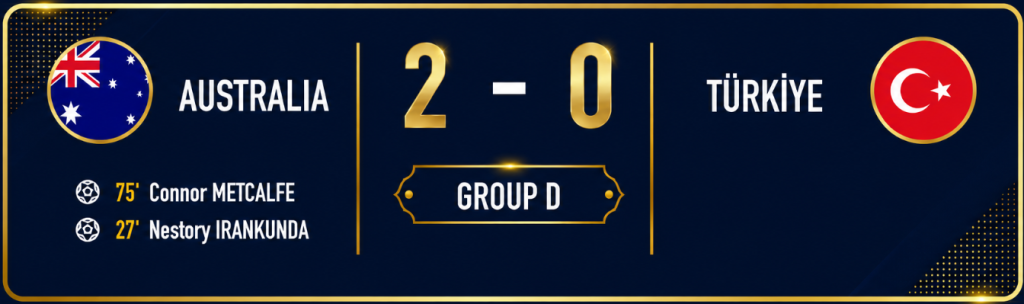
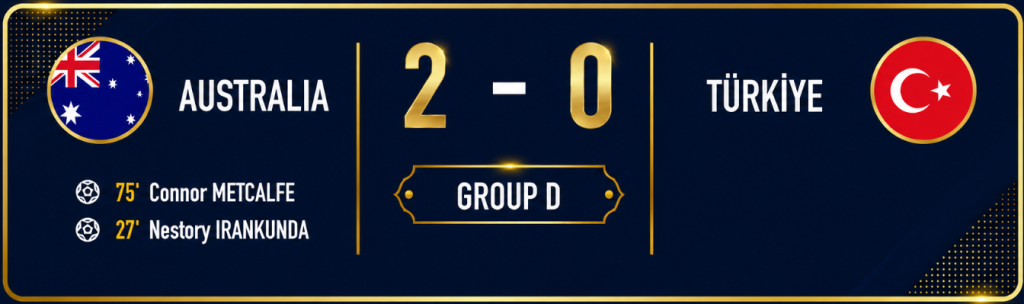
Australia opened its FIFA World Cup 2026 campaign with a stunning 2-0 victory over Türkiye at BC Place in Vancouver on Sunday, June 14 (AEST), with Nestory Irankunda and Connor Metcalfe scoring either side of halftime while Patrick Beach justified his surprise selection with a string of outstanding saves.
Against a Turkish side packed with European stars and able to control possession for long periods, the Socceroos absorbed pressure, struck with ruthless efficiency and delivered one of their most complete World Cup performances in years.
The result gave Australia its first win in a World Cup opener since 2006 and immediately strengthened its chances of progressing from Group D.
Youthful Socceroos Rise To The Occasion
The pre-match discussion centred on Popovic’s team sheet.
Beach kept his place ahead of captain Maty Ryan. Paul Okon-Engstler started in midfield. Ten members of the starting side were making their World Cup debuts.
Any concerns about nerves disappeared quickly.
The opening stages were played at a frantic pace, with both teams looking to attack directly whenever possession changed hands. Türkiye enjoyed more of the ball, but Australia looked dangerous whenever space opened up behind the defence.
The breakthrough came after 27 minutes.
Okon-Engstler launched a long pass forward from inside Australia’s half and Irankunda did the rest. The Watford winger accelerated past his marker, steadied himself and guided a composed finish beyond Ugurcan Çakir.
The goal was Irankunda’s first at a World Cup and another reminder of why he is regarded as one of Australia’s brightest attacking talents.
Beach Answers Popovic’s Biggest Call
If Irankunda provided the headline moment, Beach delivered the reassurance.
The 22-year-old goalkeeper was one of the most talked-about selections before kickoff and spent the evening showing exactly why Popovic trusted him.
Only minutes after Australia took the lead, Abdülkerim Bardakci struck a powerful effort from outside the area that appeared destined for the top corner. Beach flew across goal and got enough on the ball to push it onto the post.
Türkiye continued to control possession and territory for much of the contest.
Arda Güler tested Beach from a second-half free kick. Zeki Çelik found space in behind during the final 20 minutes. Kerem Aktürkoğlu also forced a save from close range.
Each time, Beach responded.
Australia’s defensive unit deserved plenty of credit as well. Harry Souttar, Alessandro Circati and Cameron Burgess spent long periods under pressure but rarely allowed Türkiye clear opportunities inside the box.
Metcalfe Seals It
The longer the match remained at 1-0, the more dangerous Australia’s counter-attacking opportunities became.
Jordan Bos continued to find space down the left. Mohamed Toure worked tirelessly up front. Irankunda remained a threat until he departed to a standing ovation shortly after the hour mark.
Then came the decisive moment.
With 15 minutes remaining, Metcalfe collected possession outside the penalty area and shifted the ball onto his left foot. The finish was outstanding, curling beyond Çakir and into the corner to double Australia’s advantage.
For a Turkish side that had enjoyed more than 70 per cent possession, it was a brutal setback.
Australia had spent much of the evening absorbing pressure. When chances arrived, it made them count.
An Ideal Start
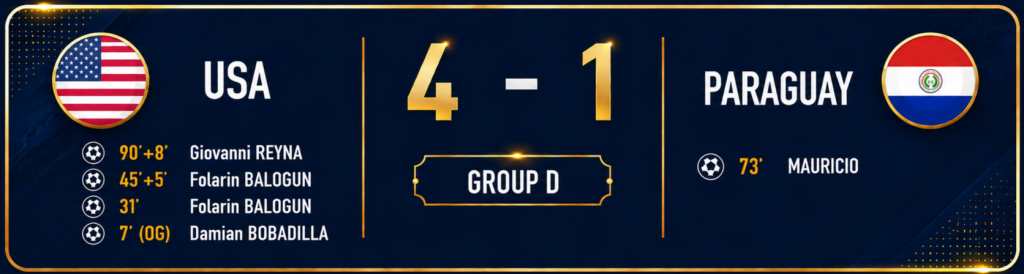
The victory immediately placed Australia alongside the United States at the top of Group D after the Americans defeated Paraguay earlier in the round.
More importantly, it rewarded Popovic’s willingness to trust youth on the biggest stage.
Okon-Engstler provided the assist for the opening goal. Irankunda scored it. Beach produced one of the performances of the match. Bos, Circati and Italiano all handled themselves well under pressure.
There will be tougher tests ahead.
But for a team that entered the tournament facing questions about experience, selection and depth, the opening night could hardly have gone much better.
Australia left Vancouver with three points, a clean sheet and momentum heading into its showdown with the United States.
Click the graphics to view game statisticsfrom the FIFA Match Centre
Monday, July 20
5:00am AEST — Spain vs Argentina
Sunday, July 19
7:00am AEST — France vs England
Thursday, July 16
5:00am AEST — England vs Argentina
Wednesday, July 15
5:00am AEST — France vs Spain
Sunday, July 12
11:00am AEST — Argentina vs Switzerland
7:00am AEST — Norway vs England
Saturday, July 11
5:00am AEST — Spain vs Belgium
Friday, July 10
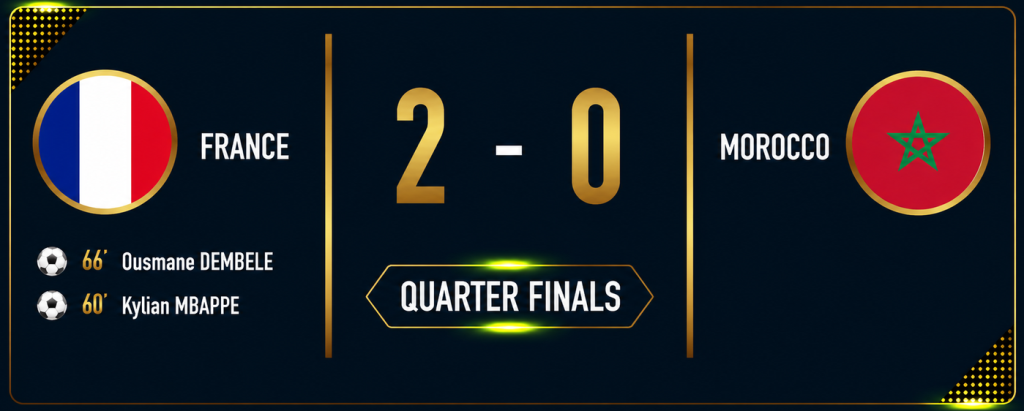
6:00am AEST — France vs Morocco
Wednesday, July 8
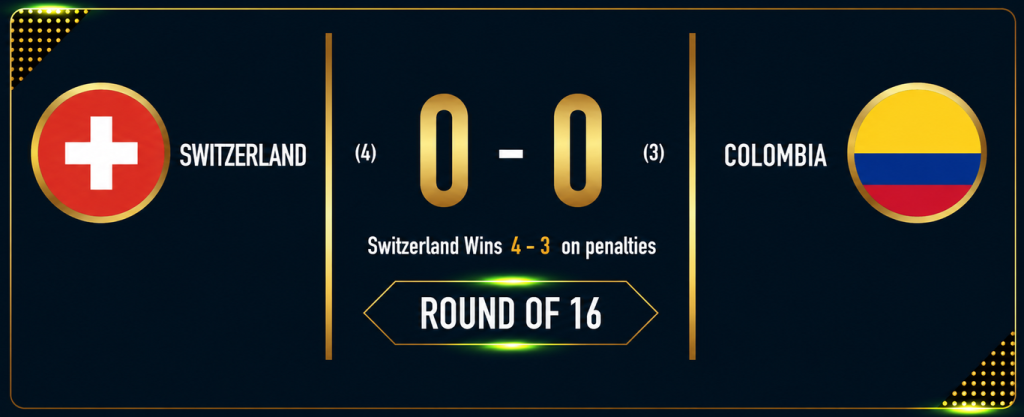
6:00am AEST — Switzerland vs Colombia
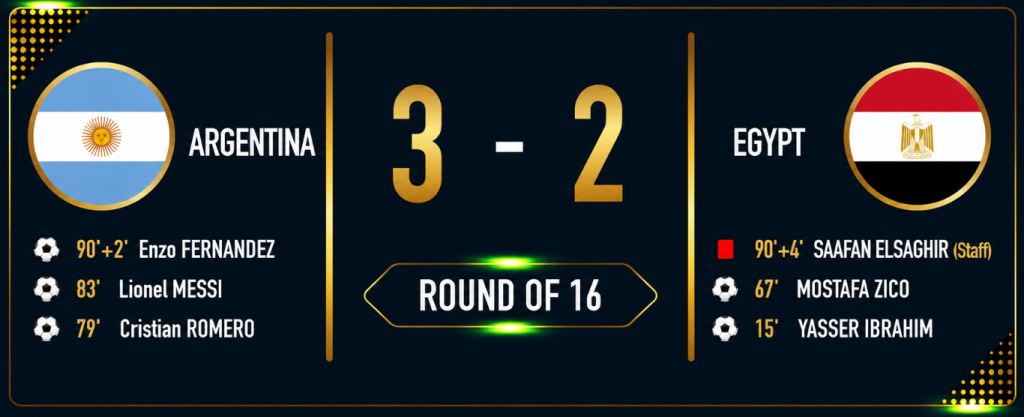
2:00am AEST — Argentina vs Egypt
Tuesday, July 7
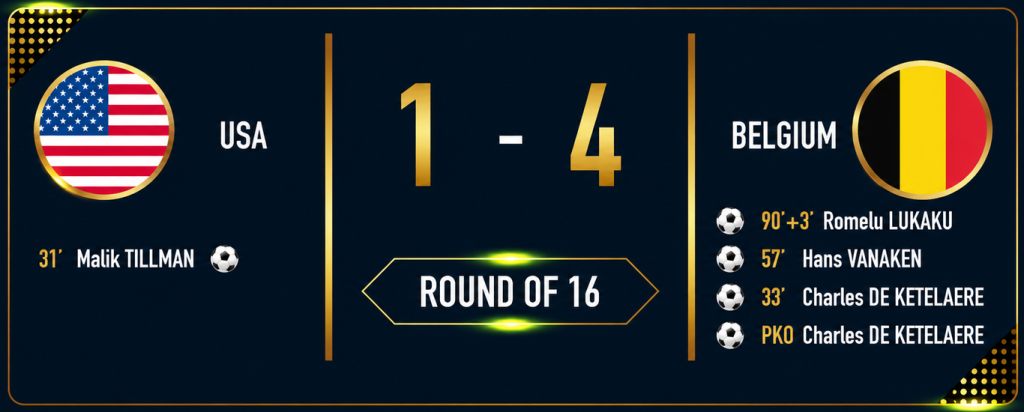
10:00am AEST — USA vs Belgium
5:00am AEST — Portugal vs Spain
Monday, July 6
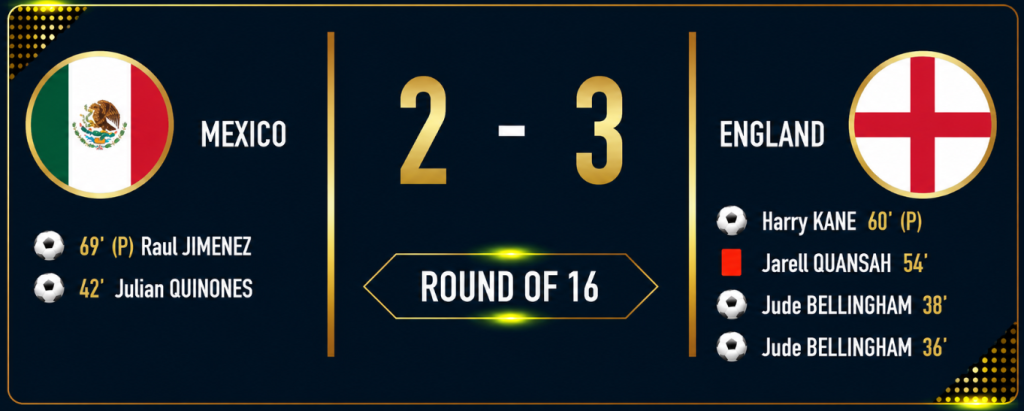
10:00am AEST — Mexico vs England
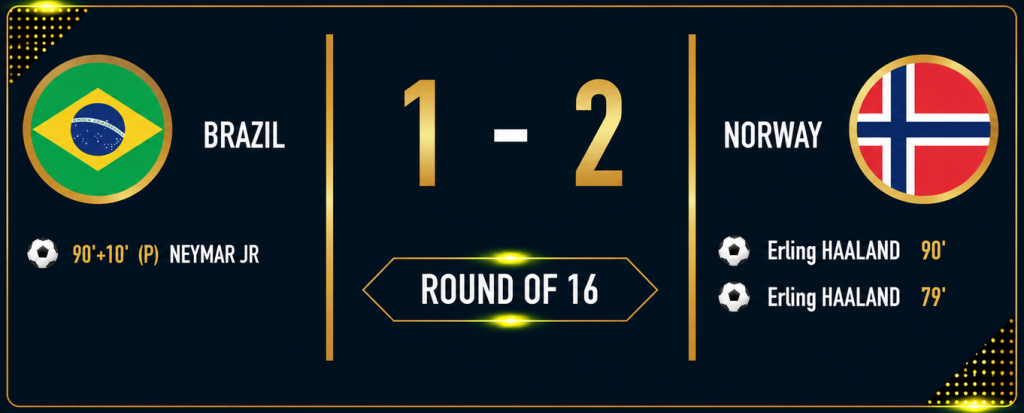
6:00am AEST — Brazil vs Norway
Sunday, July 5
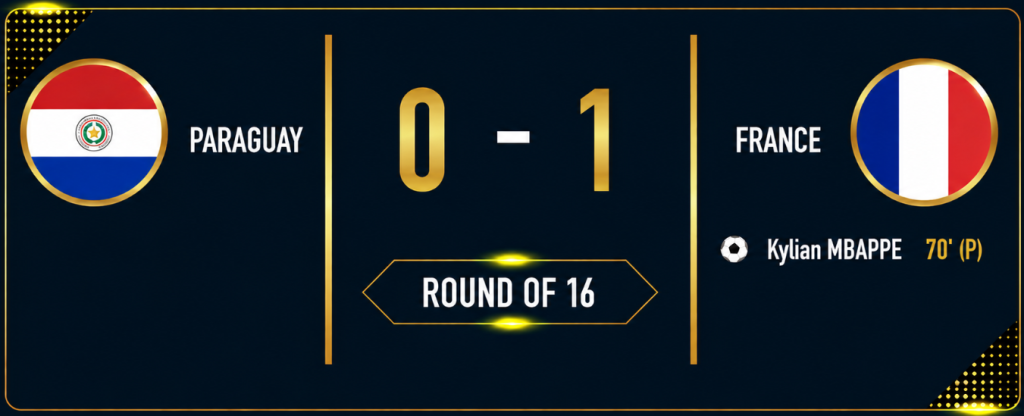
10:00am AEST — Paraguay vs France
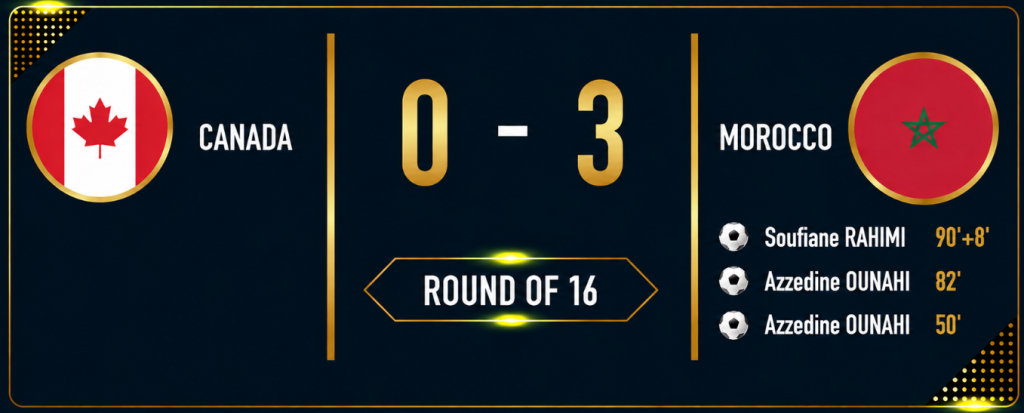
6:00am AEST — Canada vs Morocco
Saturday, July 4
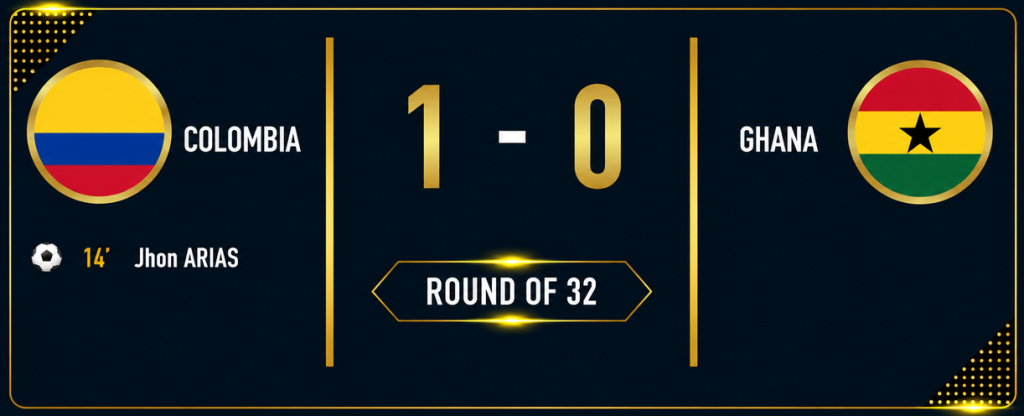
11:30am AEST — Colombia vs Ghana
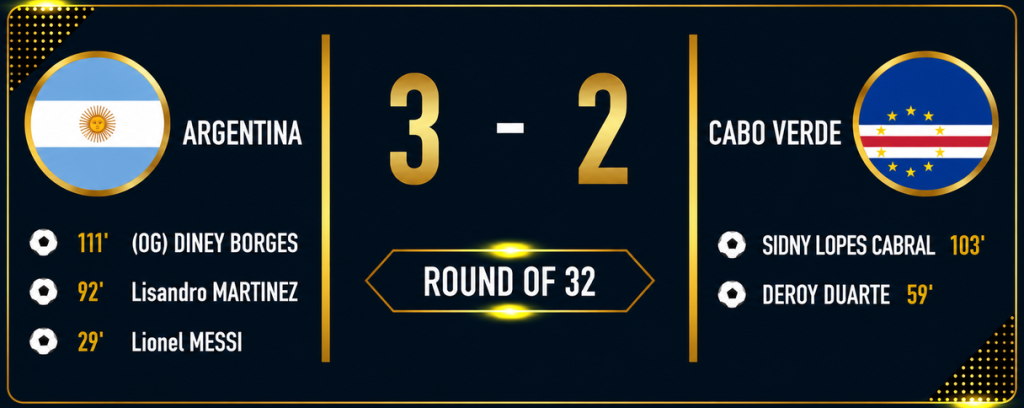
8:00am AEST — Argentina vs Cabo Verde
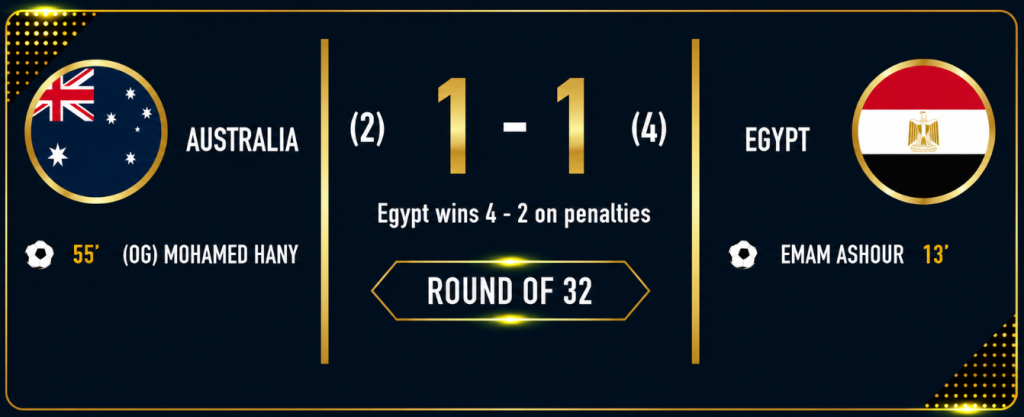
4:00am AEST — Australia vs Egypt
Friday, July 3
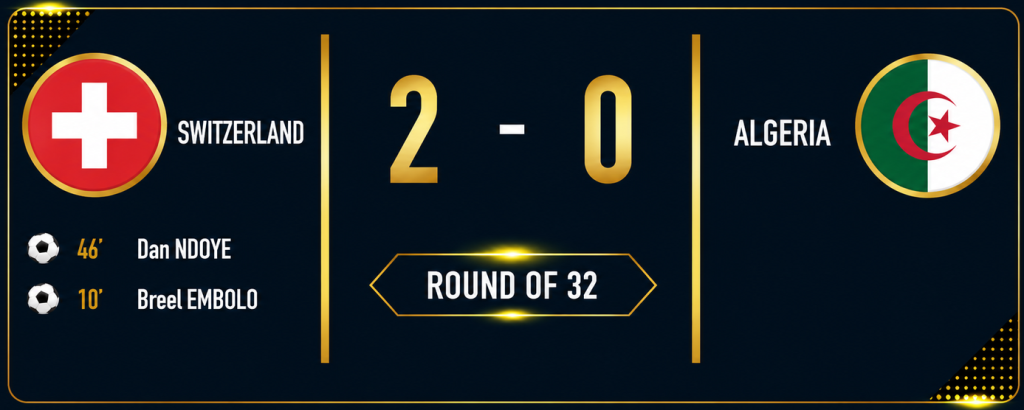
1:00pm AEST — Switzerland vs Algeria
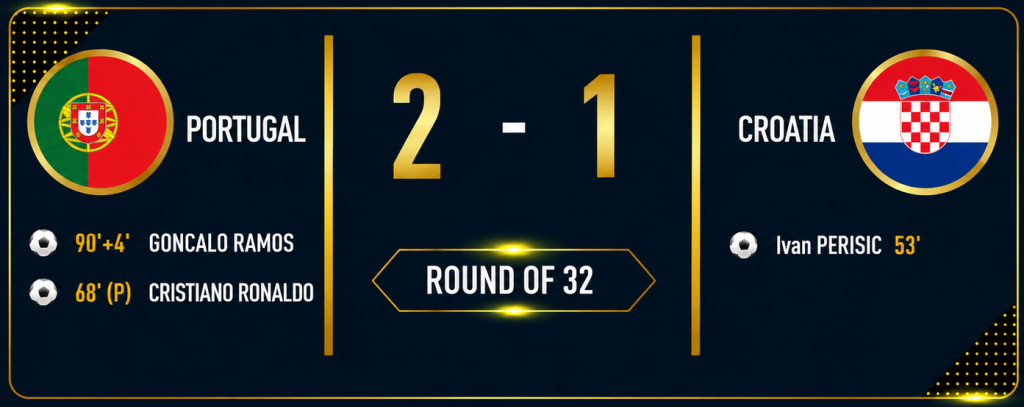
9:00am AEST — Portugal vs Croatia
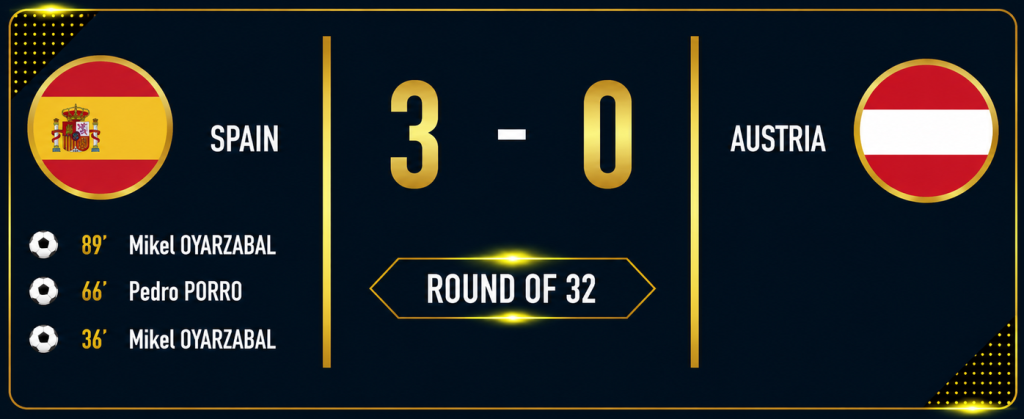
5:00am AEST — Spain vs Austria
Thursday, July 2
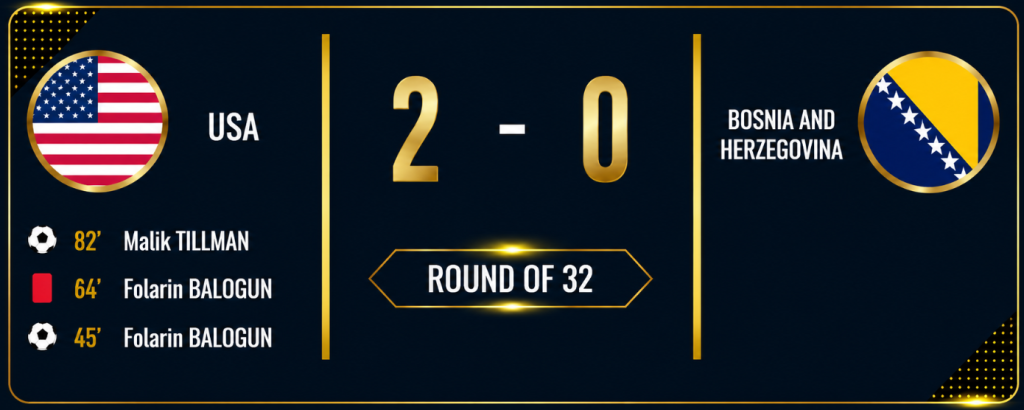
10:00am AEST — USA vs Bosnia and Herzegovina
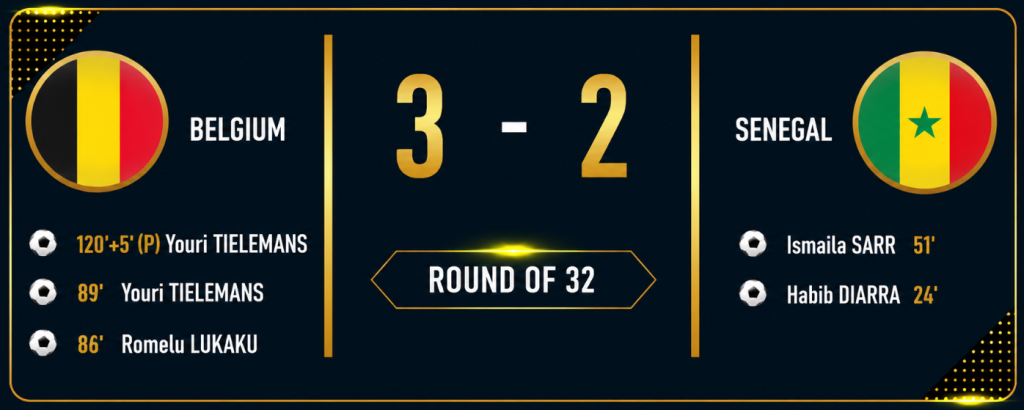
6:00am AEST — Belgium vs Senegal
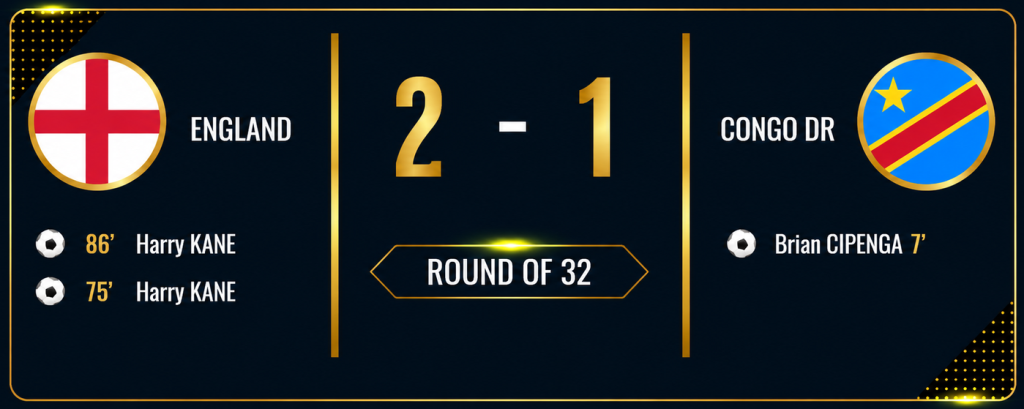
2:00am AEST — England vs Congo DR
Wednesday, July 1
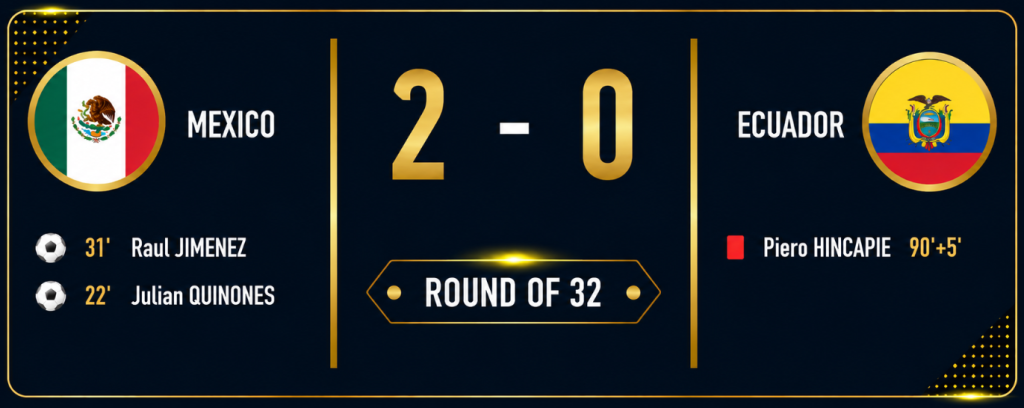
11:00am AEST — Mexico vs Ecuador
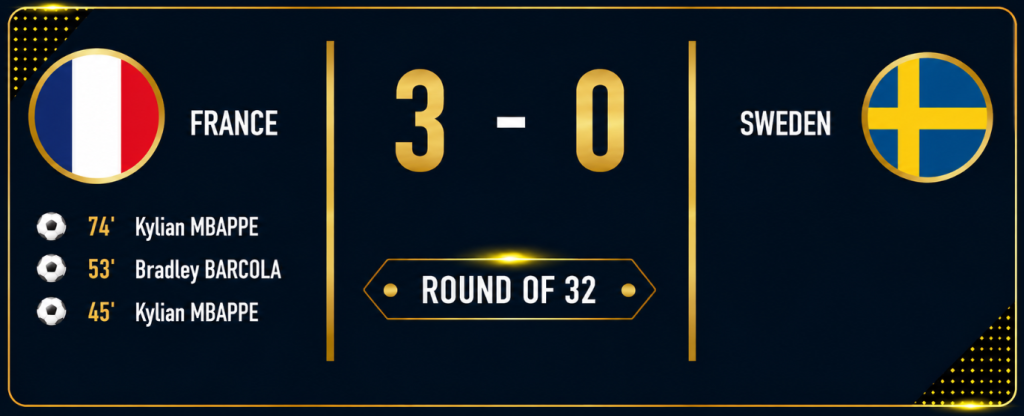
7:00am AEST — France vs Sweden
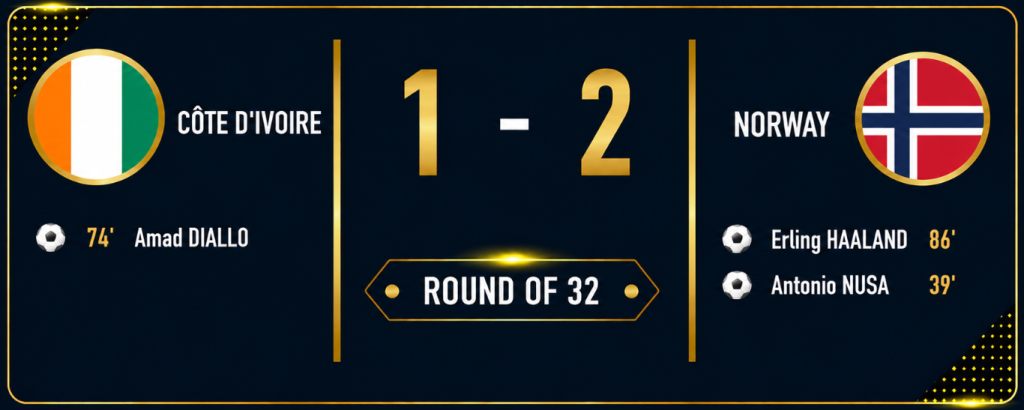
3:00am AEST — Cote D’Ivoire vs Norway
Tuesday, June 30
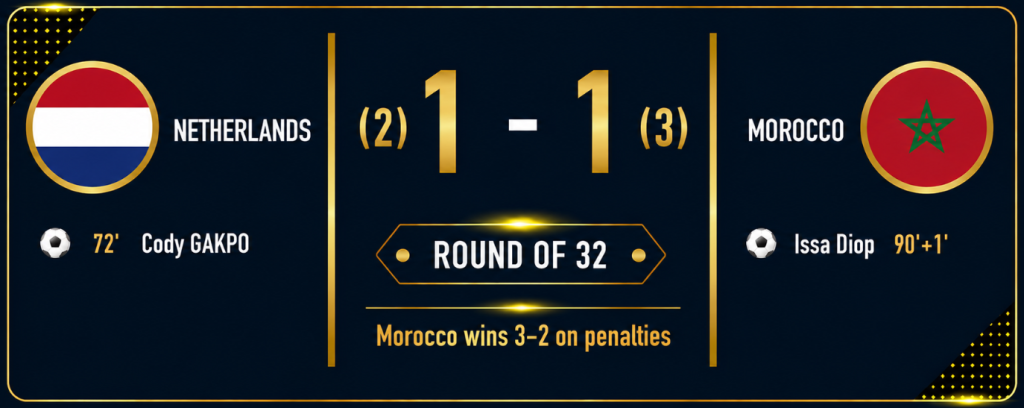
11:00am AEST — Netherlands vs Morocco
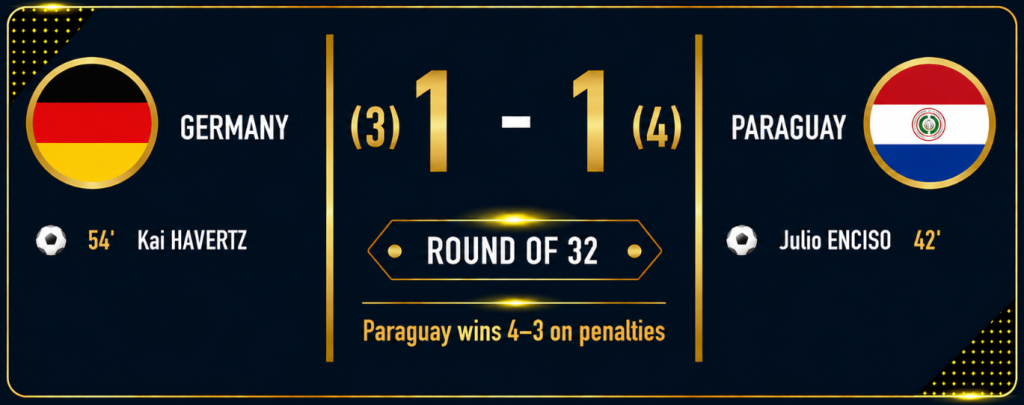
6:30am AEST — Germany vs Paraguay
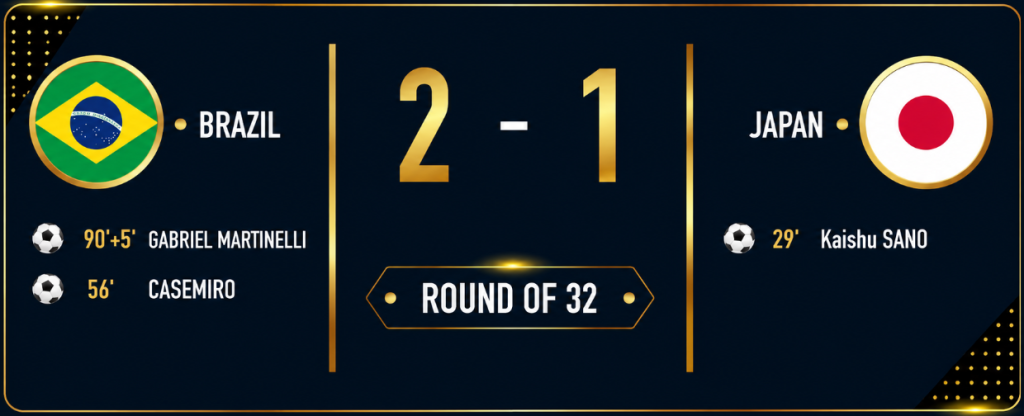
3:00am AEST — Brazil vs Japan
Monday, June 29
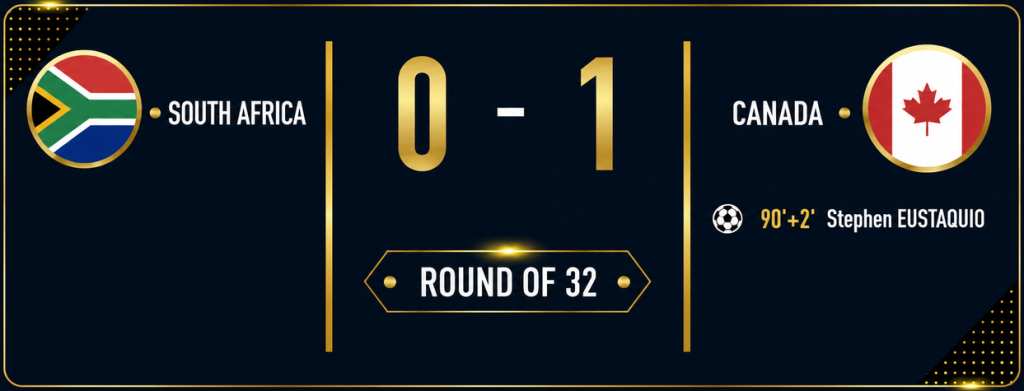
5:00am AEST — South Africa vs Canada
Sunday, June 28
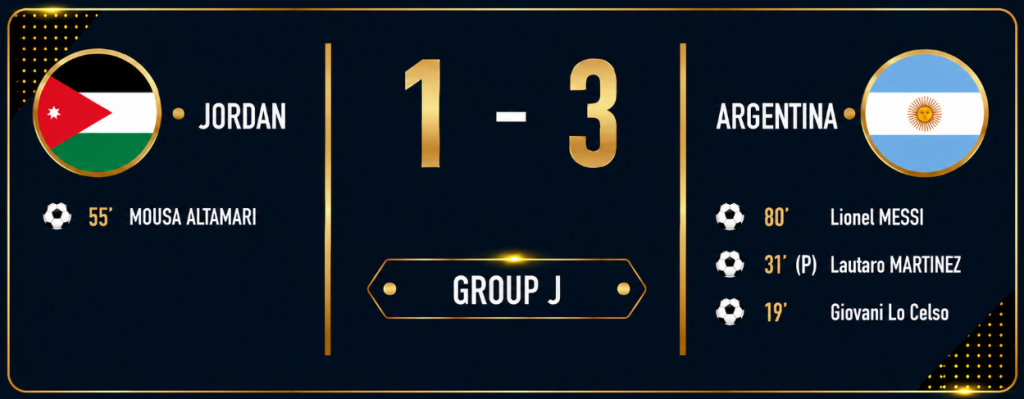
12:00pm AEST — Jordan vs Argentina
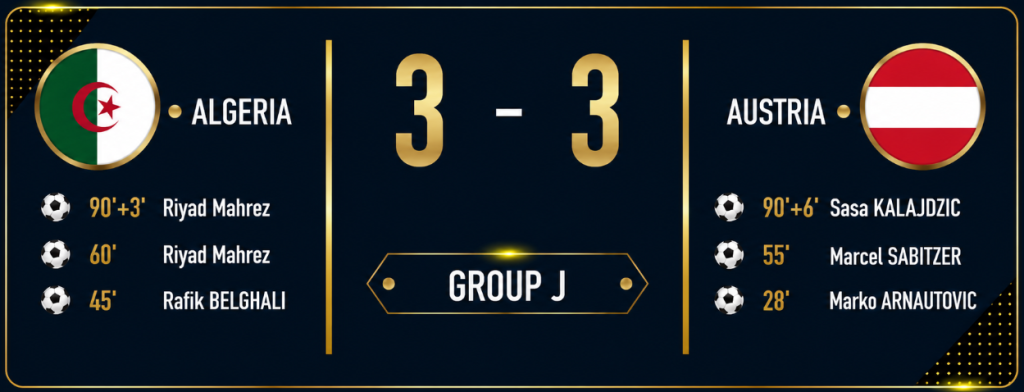
12:00pm AEST — Algeria vs Austria
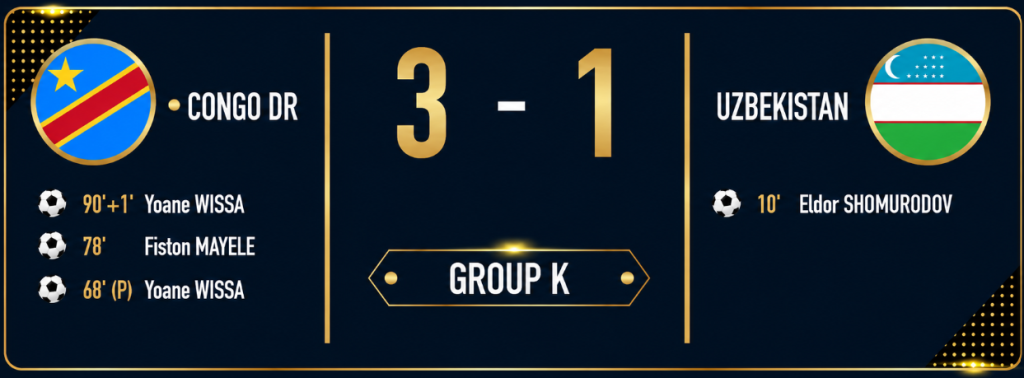
9:30am AEST — Congo DR vs Uzbekistan
9:30am AEST — Colombia vs Portugal
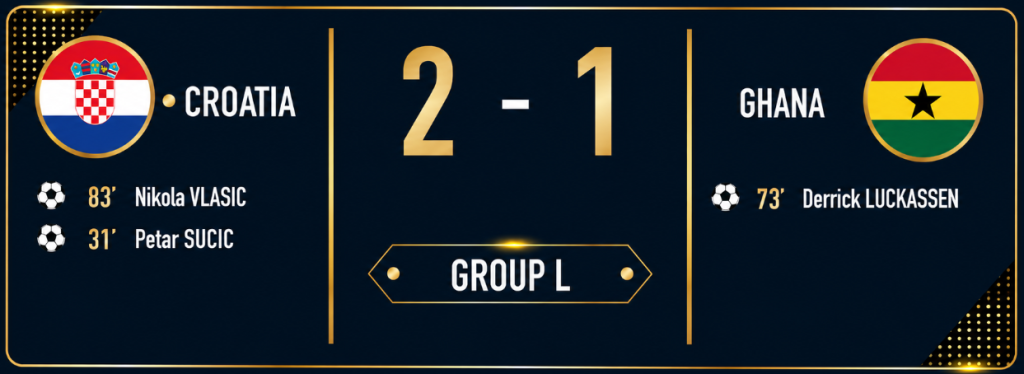
7:00am AEST — Croatia vs Ghana
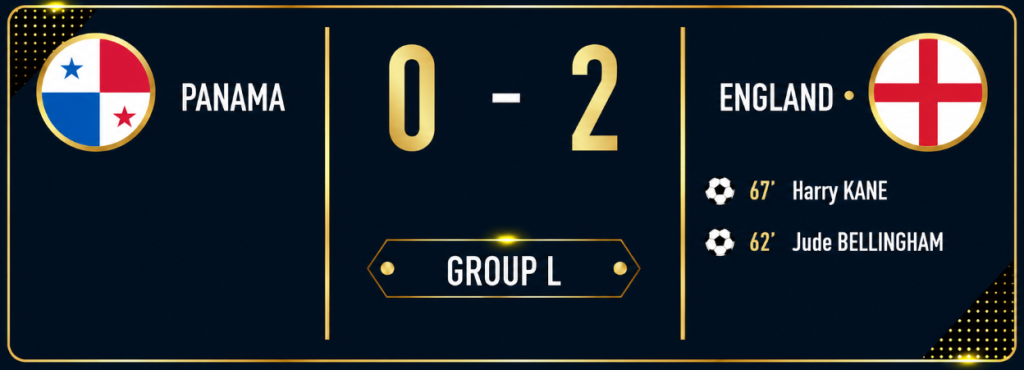
7:00am AEST — Panama vs England
Saturday, June 27
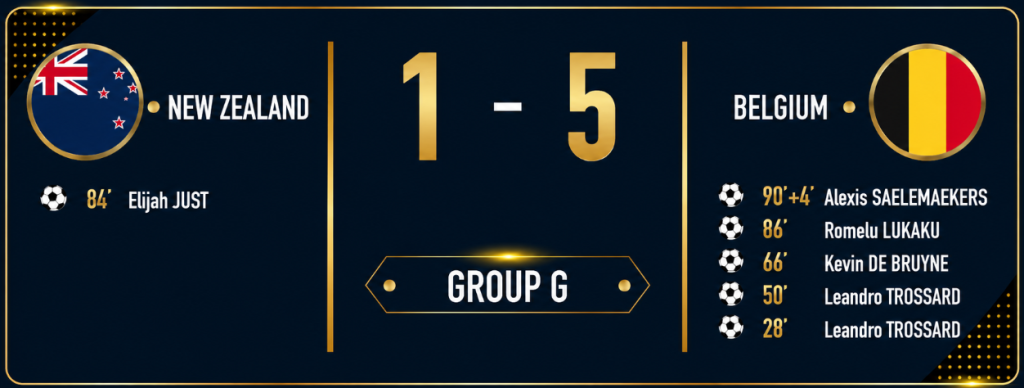
1:00pm AEST — New Zealand vs Belgium
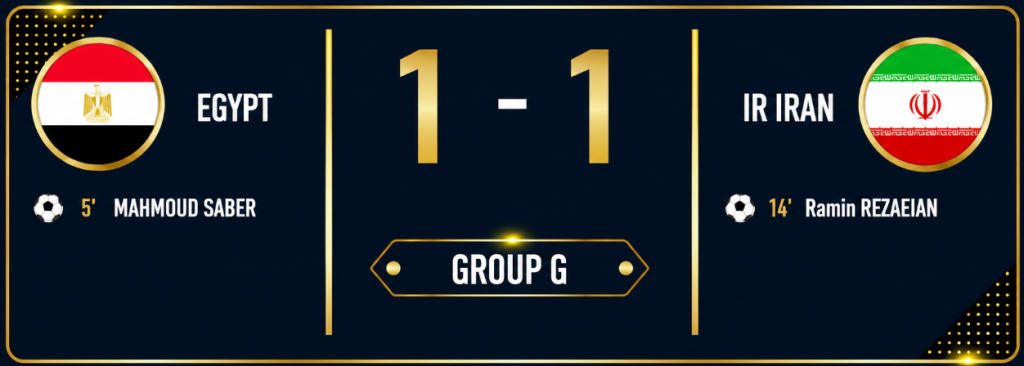
1:00pm AEST — Egypt vs Iran
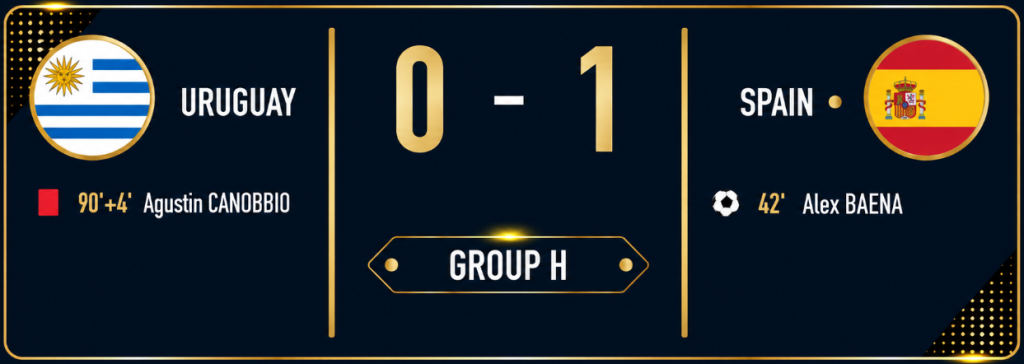
10:00am AEST — Uruguay vs Spain
10:00am AEST — Cabo Verde vs Saudi Arabia
5:00am AEST — Norway vs France
5:00am AEST — Senegal vs Iraq
Friday, June 26
12:00pm AEST — PARAGUAY vs AUSTRALIA
12:00pm AEST — Türkiye vs USA
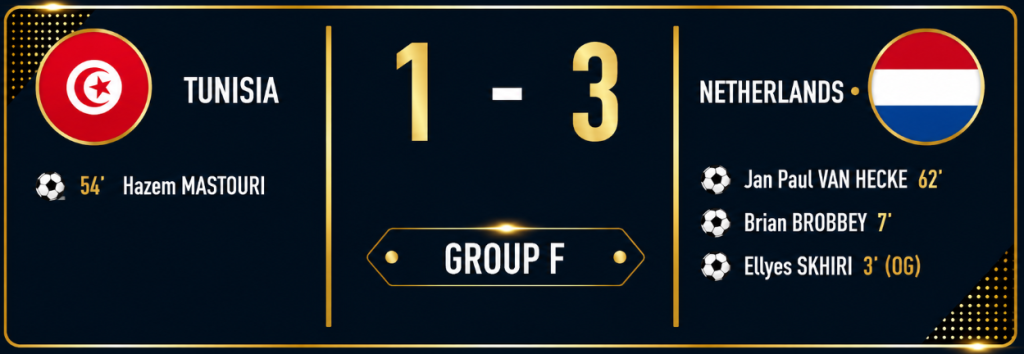
9:00am AEST — Tunisia vs Netherlands
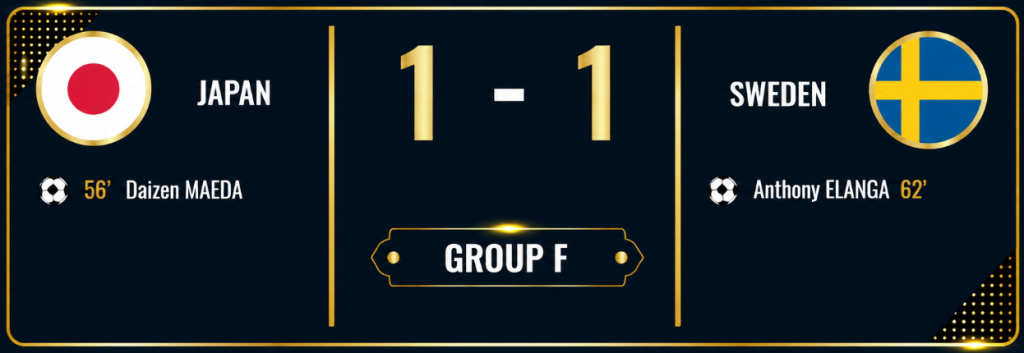
9:00am AEST — Japan vs Sweden
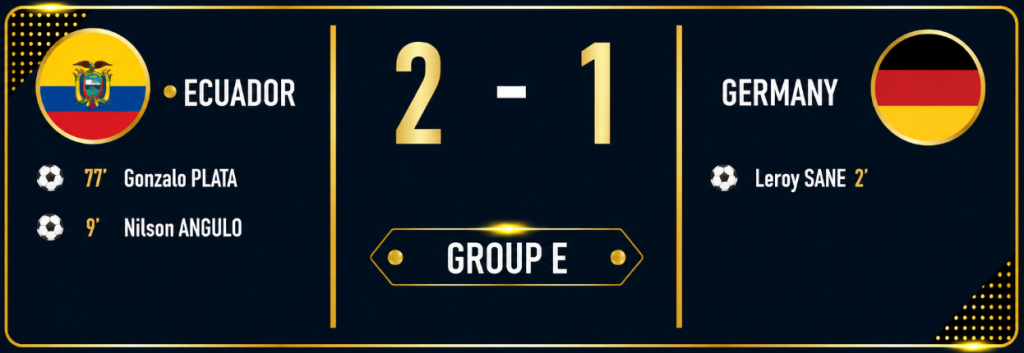
6:00am AEST — Ecuador vs Germany
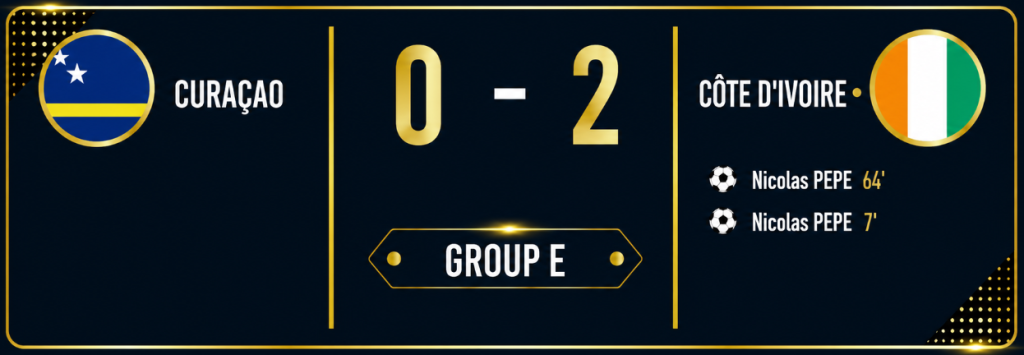
6:00am AEST — Curaçao vs Côte d’Ivoire
Thursday, June 25
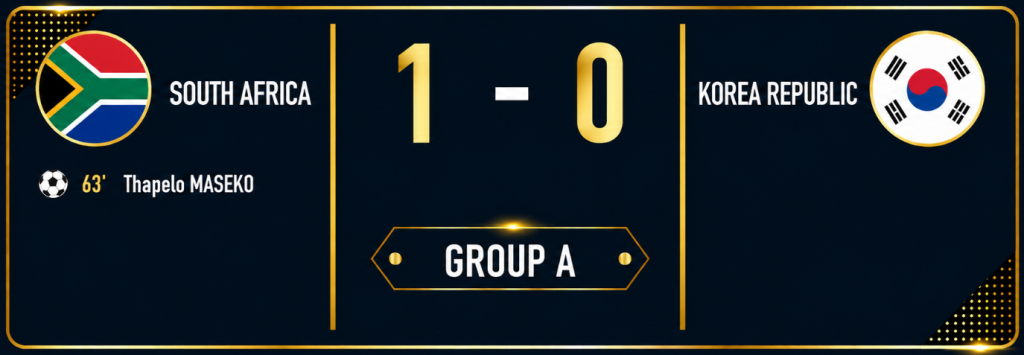
11:00am AEST — South Africa vs Korea Republic
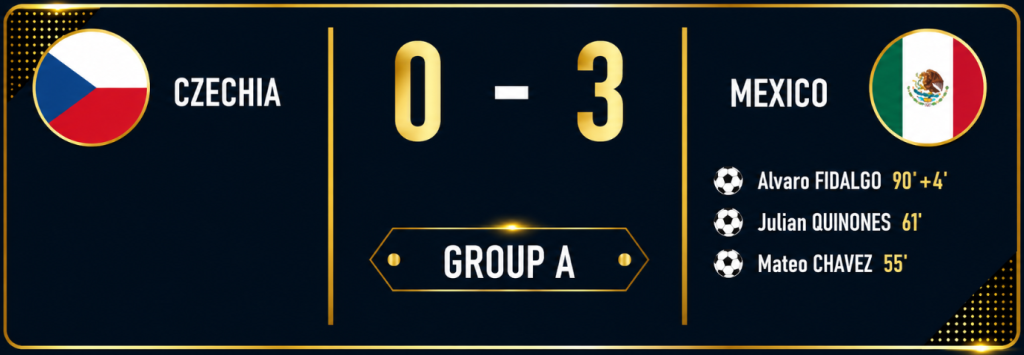
11:00am AEST — Czechia vs Mexico
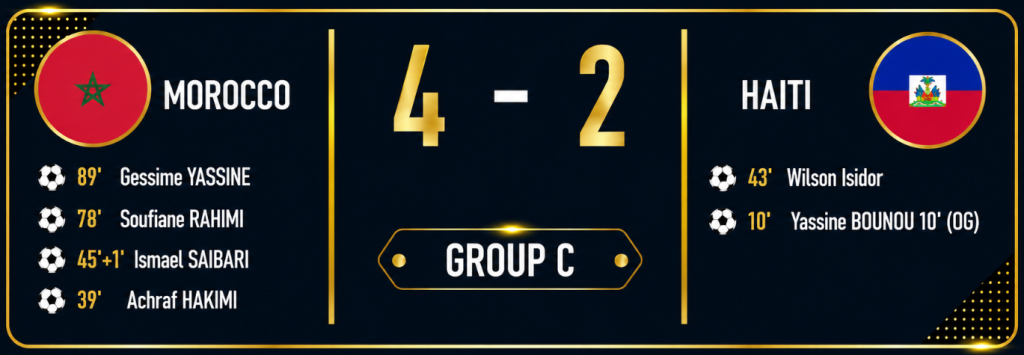
8:00am AEST — Morocco vs Haiti
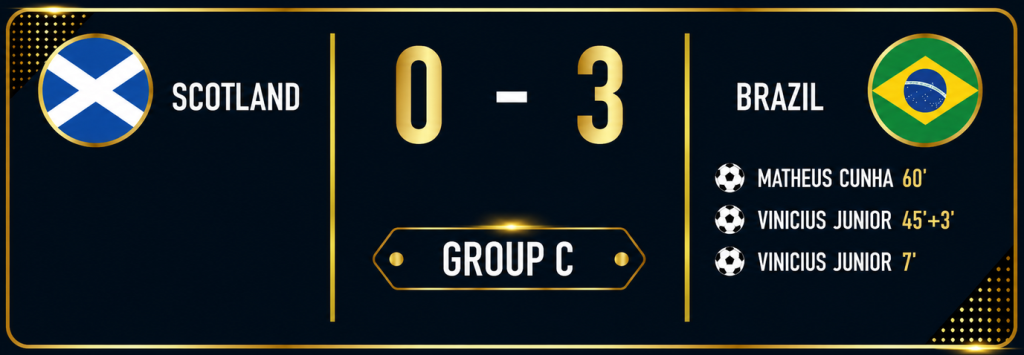
8:00am AEST — Scotland vs Brazil
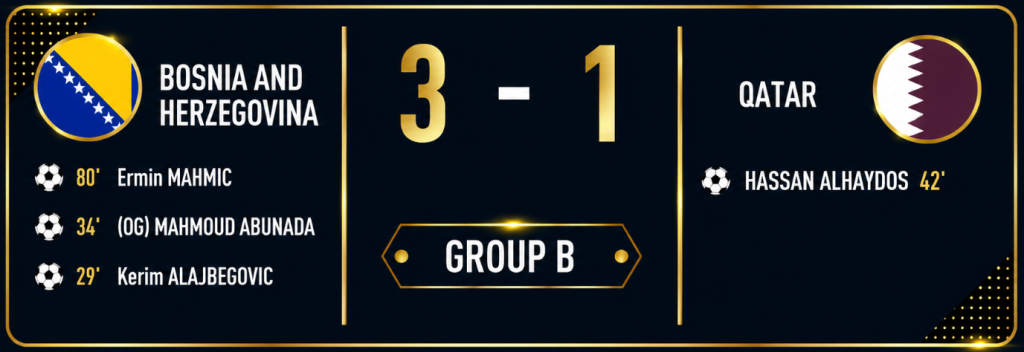
5:00am AEST — Bosnia and Herzegovina vs Qatar
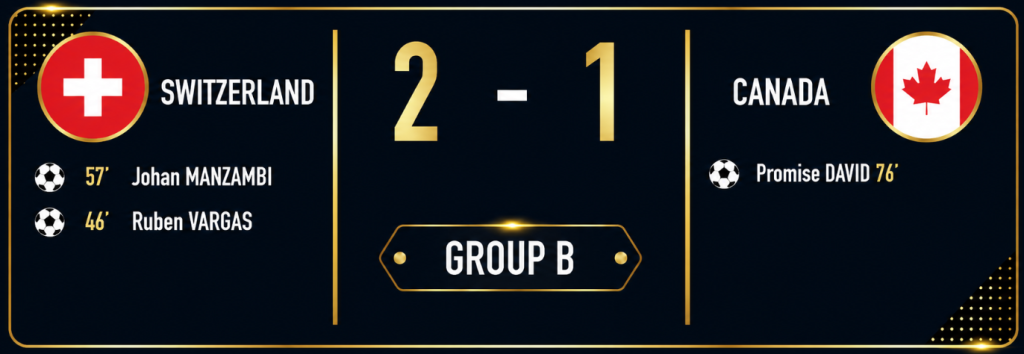
5:00am AEST — Switzerland vs Canada
Wednesday, June 24
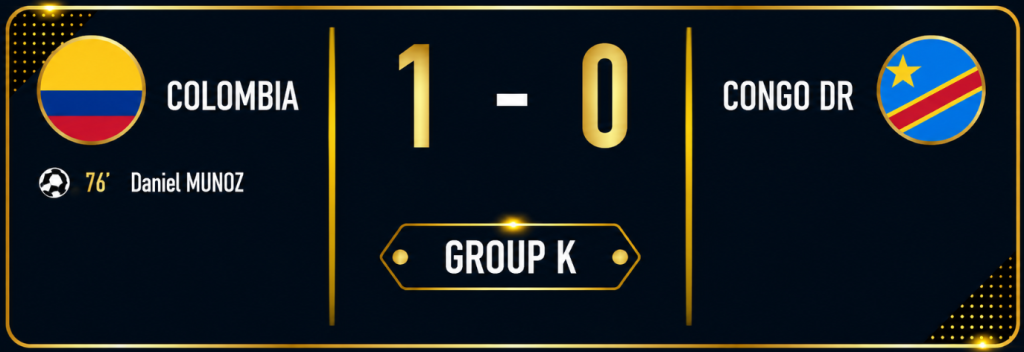
12:00pm AEST — Colombia vs Congo DR
9:00am AEST — Panama vs Croatia
6:00am AEST — England vs Ghana
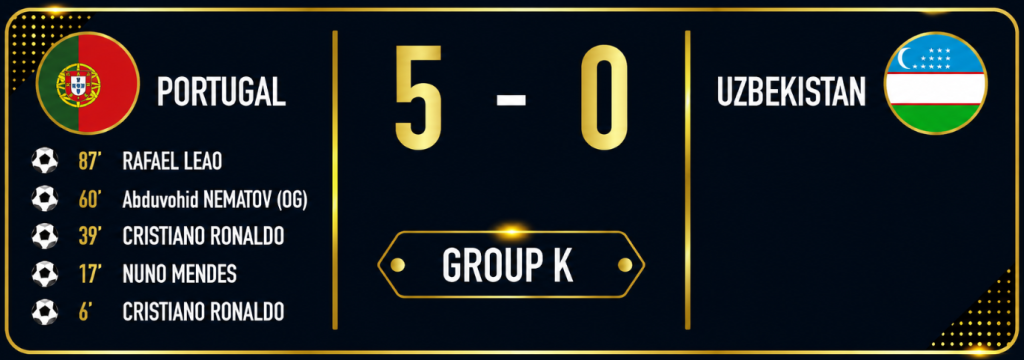
3:00am AEST — Portugal vs Uzbekistan
Tuesday, June 23
1:00pm AEST — Jordan vs Algeria
10:00am AEST — Norway vs Senegal
7:00am AEST — France vs Iraq
3:00am AEST — Argentina vs Austria
Monday, June 22
11:00am AEST — New Zealand vs Egypt
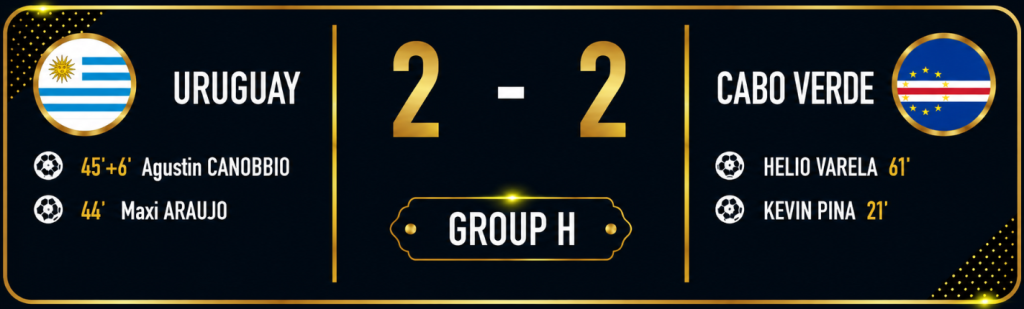
8:00am AEST — Uruguay vs Cabo Verde
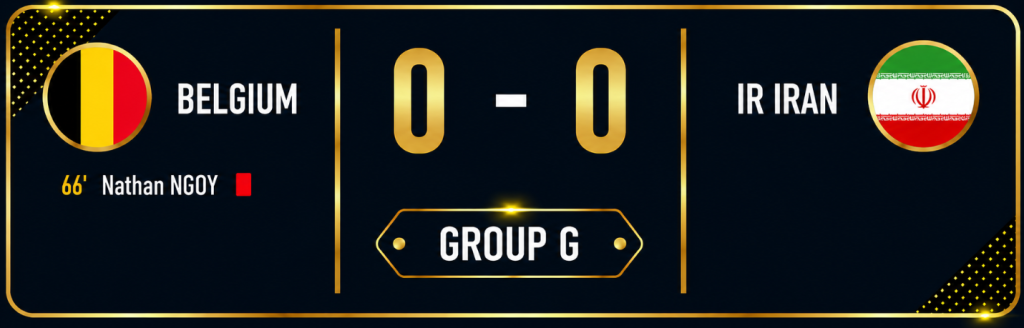
5:00am AEST — Belgium vs Iran
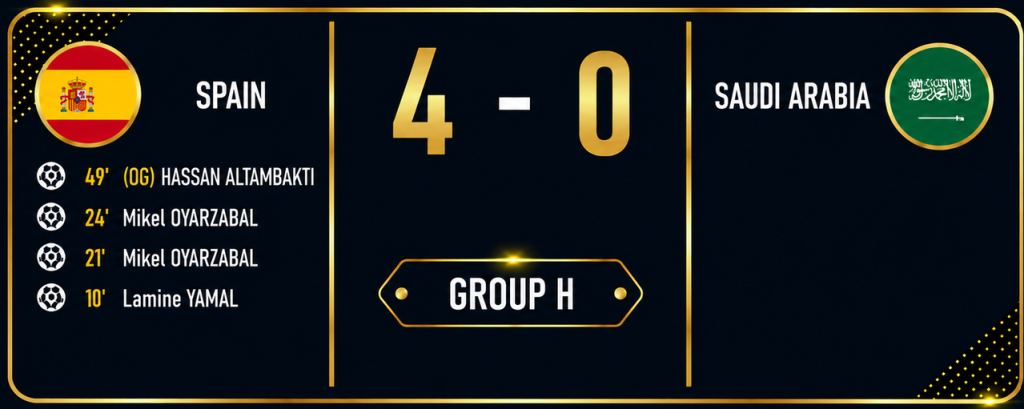
2:00am AEST — Spain vs Saudi Arabia
Sunday, June 21
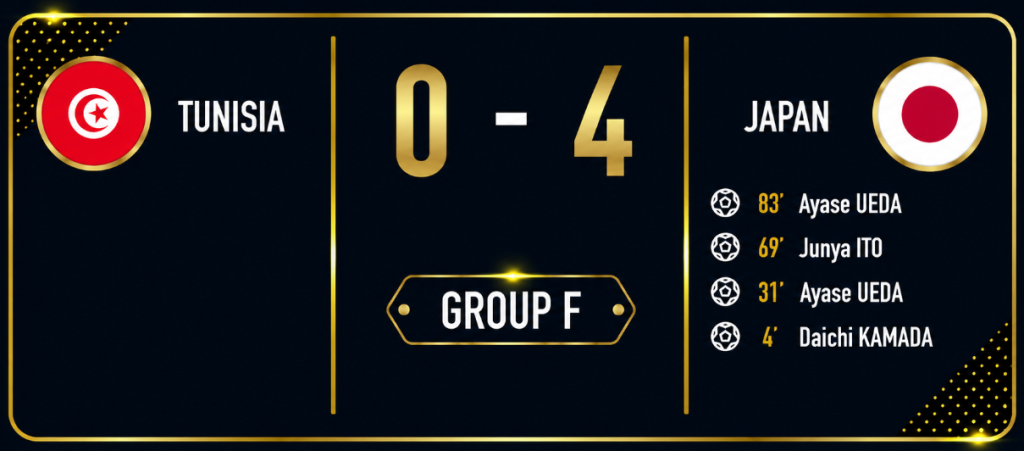
2:00pm AEST — Tunisia vs Japan
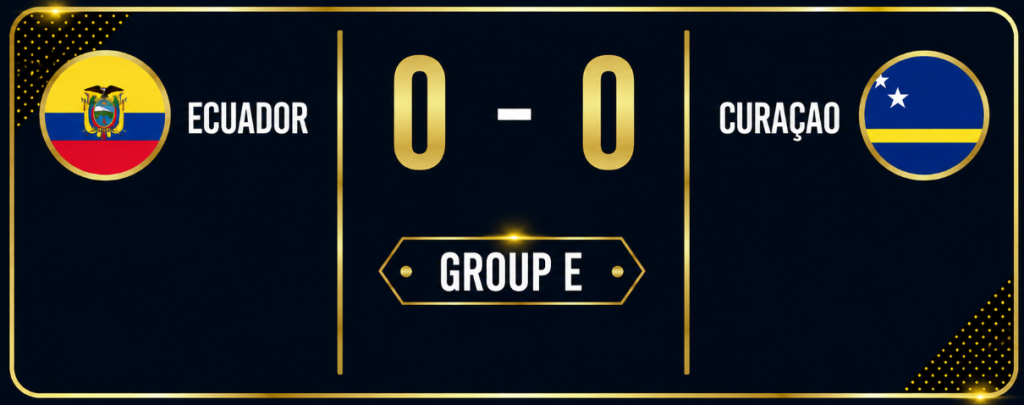
10:00am AEST — Ecuador vs Curaçao
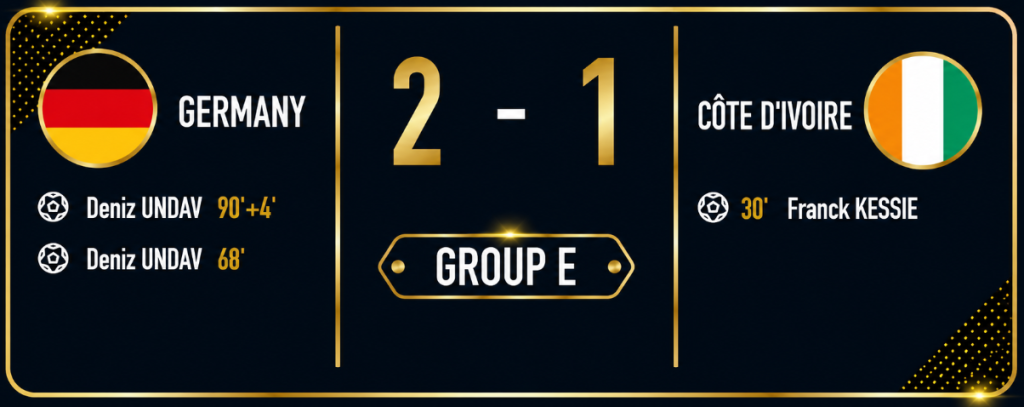
6:00am AEST — Germany vs Côte d’Ivoire
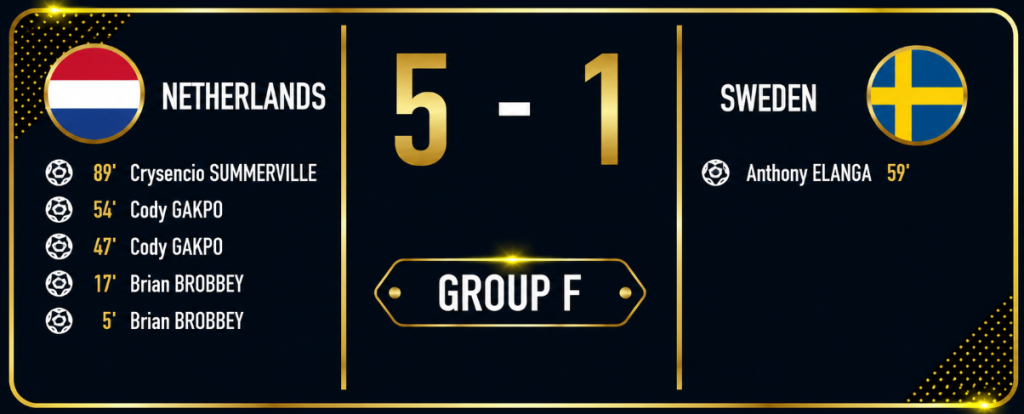
3:00am AEST — Netherlands vs Sweden
Saturday, June 20
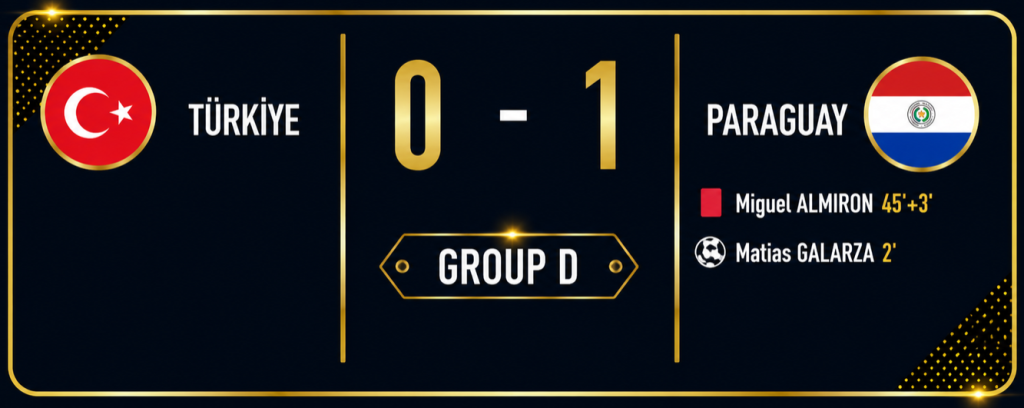
1:00pm AEST — Türkiye vs Paraguay
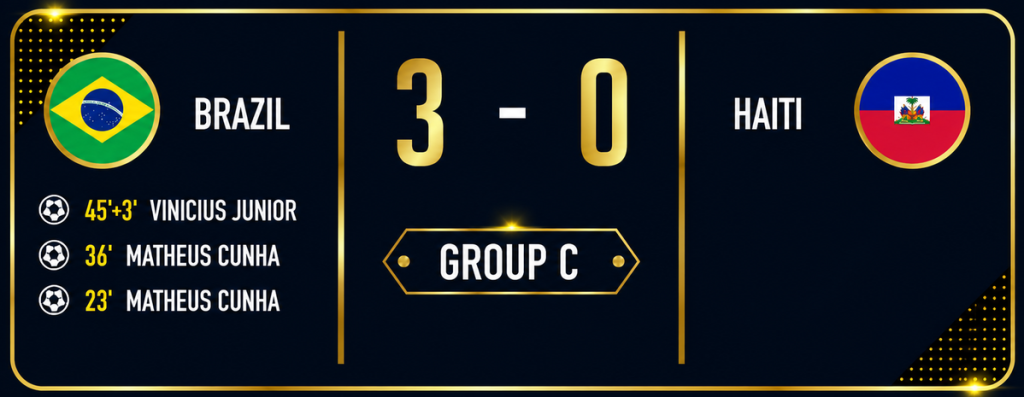
10:30am AEST — Brazil vs Haiti
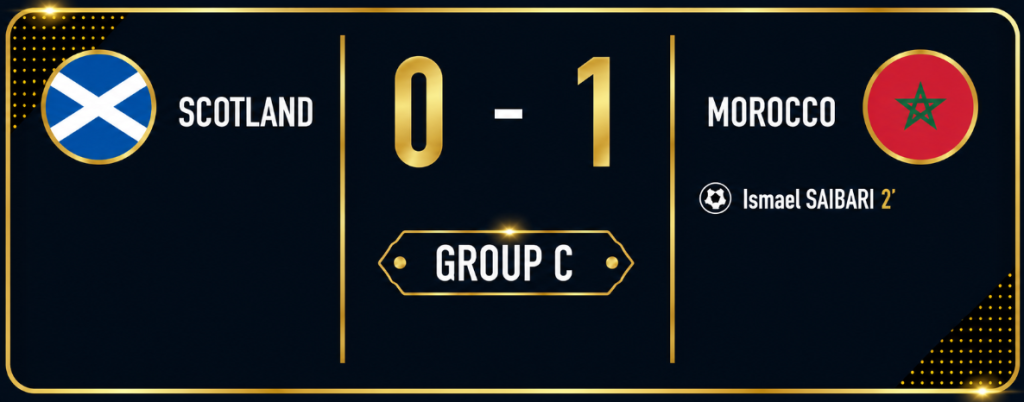
8:00am AEST — Scotland vs Morocco
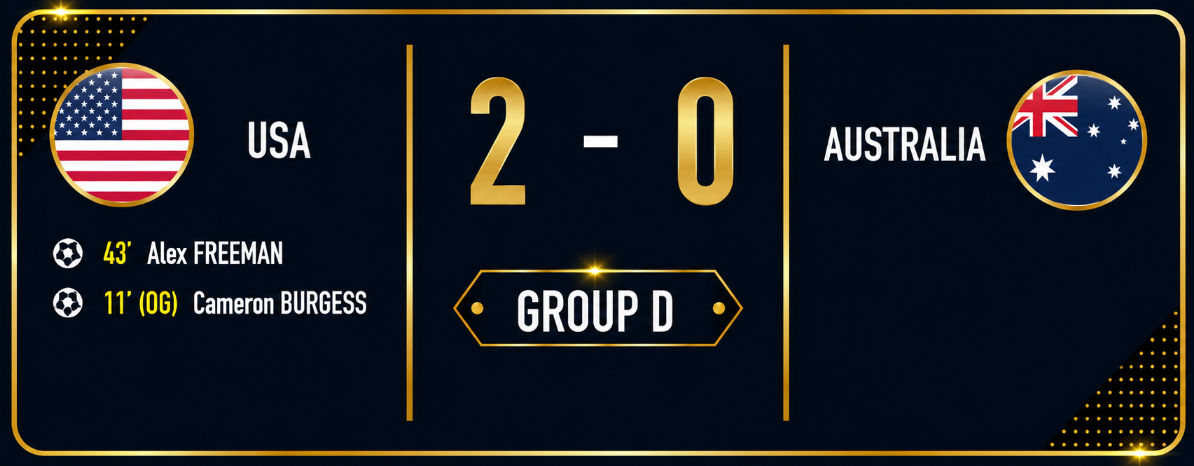
5:00am AEST — USA vs AUSTRALIA
Friday, June 19
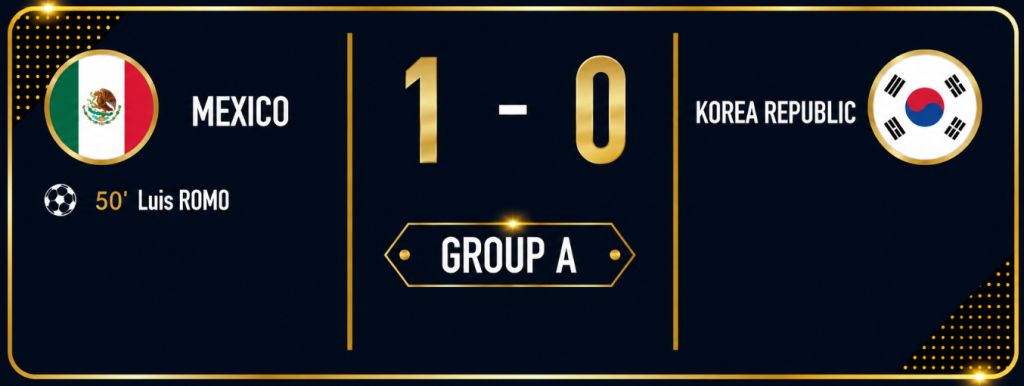
11:00am AEST — Mexico vs Korea Republic
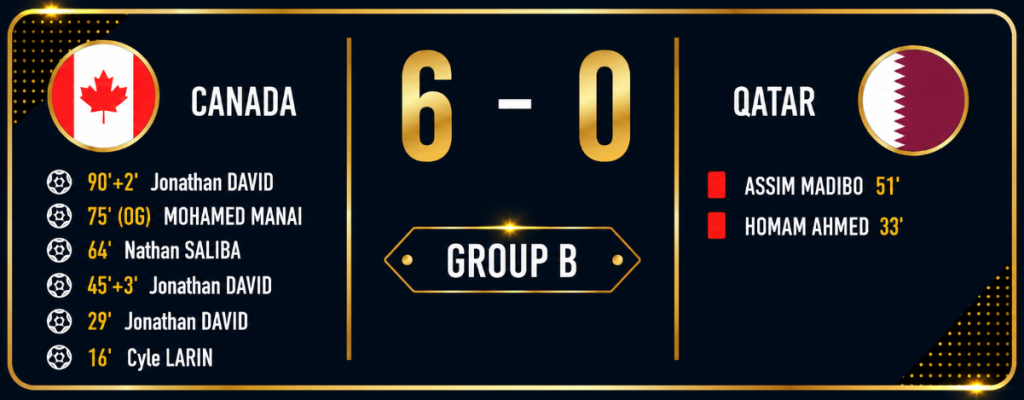
8:00am AEST — Canada vs Qatar
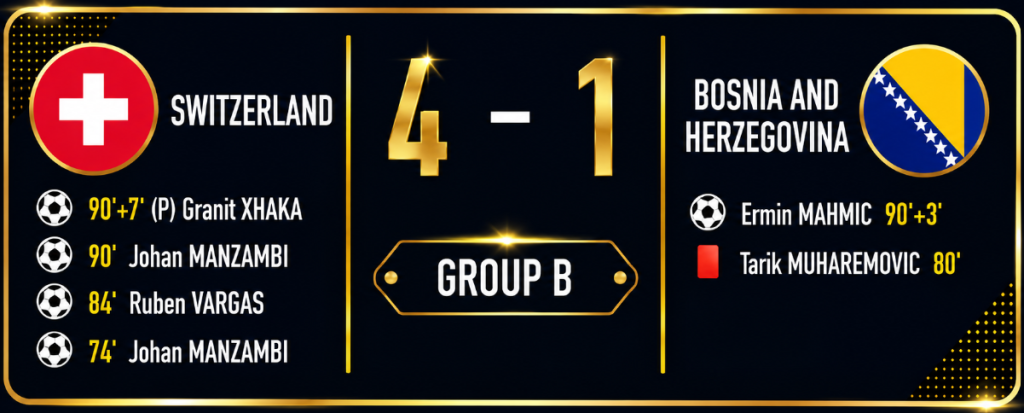
5:00am AEST — Switzerland vs Bosnia and Herzegovina
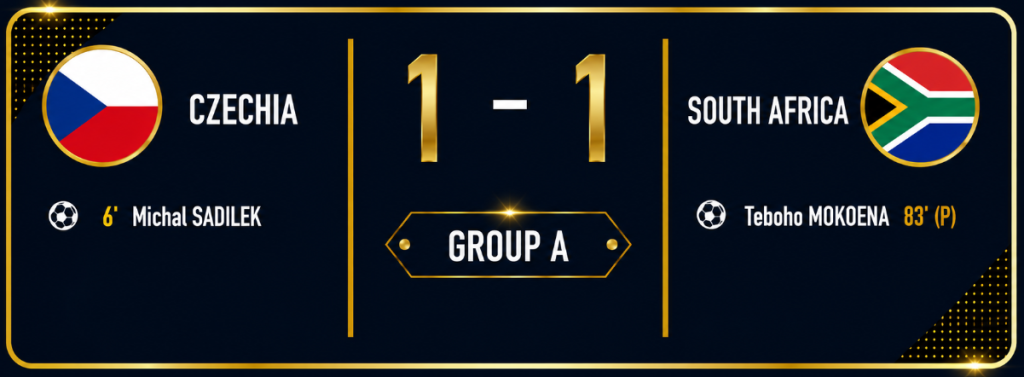
2:00am AEST — Czechia vs South Africa
Thursday, June 18
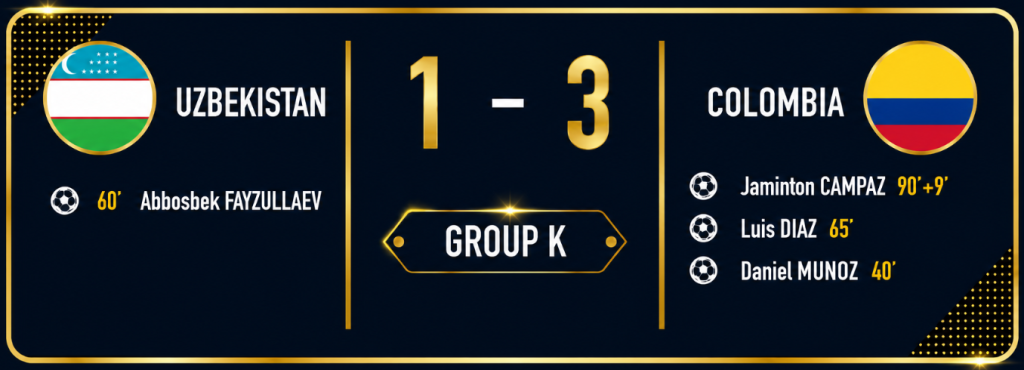
12:00pm AEST — Uzbekistan vs Colombia
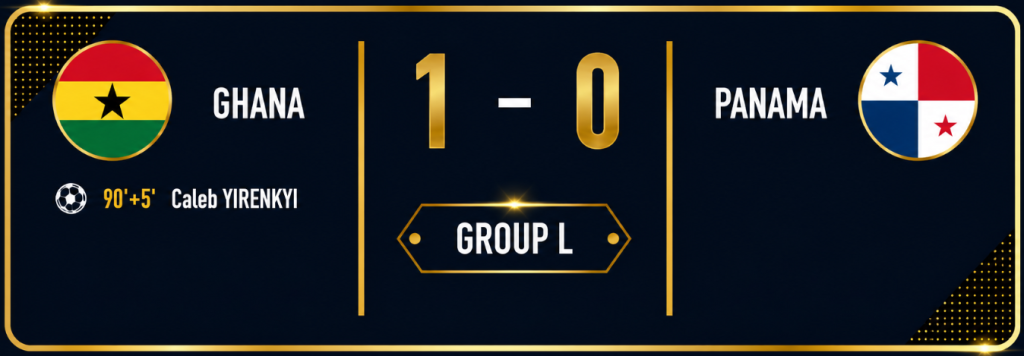
9:00am AEST — Ghana vs Panama
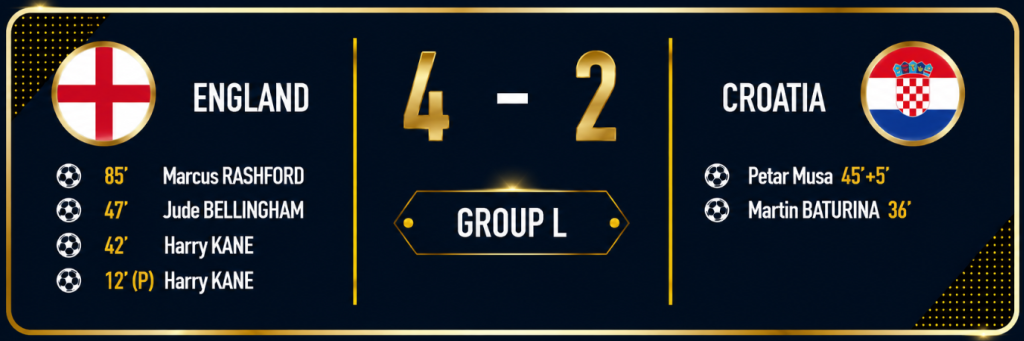
6:00am AEST — England vs Croatia
3:00am AEST — Portugal vs Congo DR
Wednesday, June 17
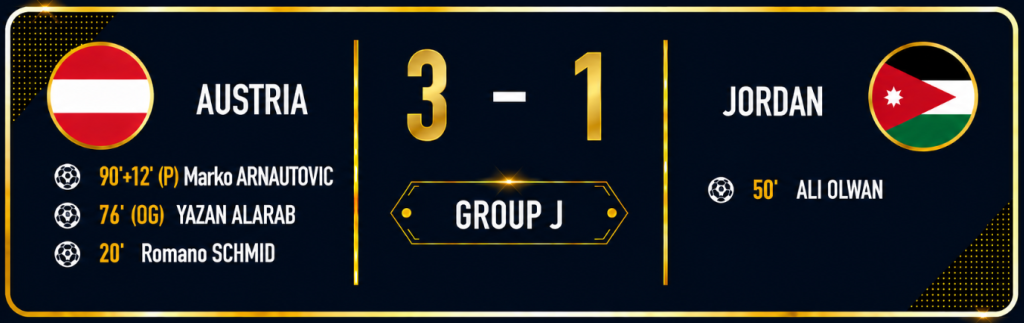
2:00pm AEST — Austria vs Jordan
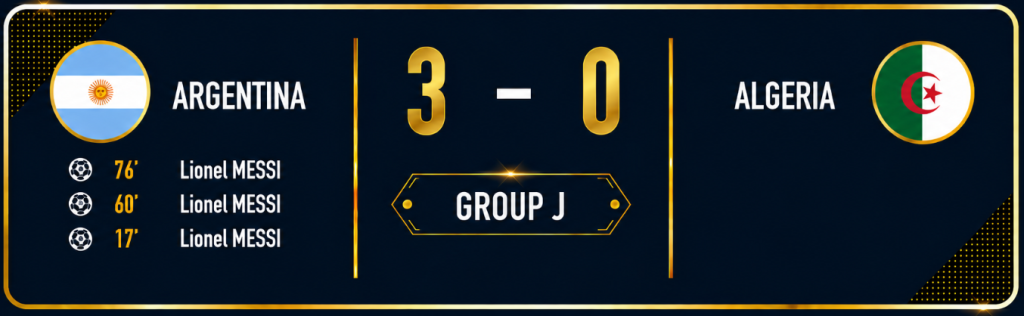
11:00am AEST — Argentina vs Algeria
8:00am AEST — Iraq vs Norway
5:00am AEST — France vs Senegal
Tuesday, June 16
11:00am AEST — Iran vs New Zealand
8:00am AEST — Saudi Arabia vs Uruguay
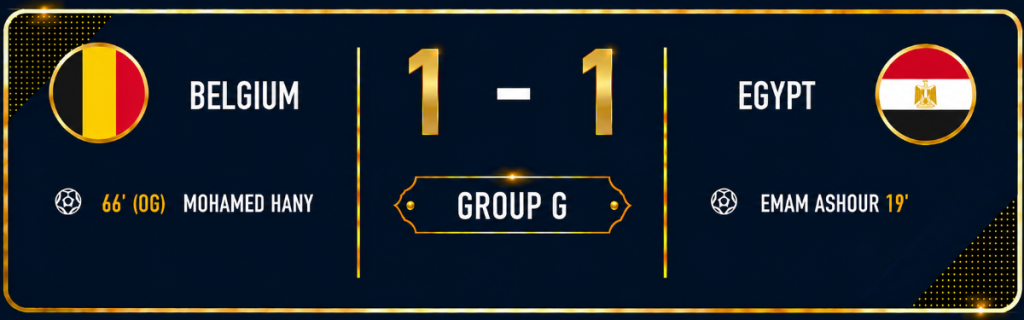
5:00am AEST — Belgium vs Egypt
2:00am AEST — Spain vs Cabo Verde
Monday, June 15
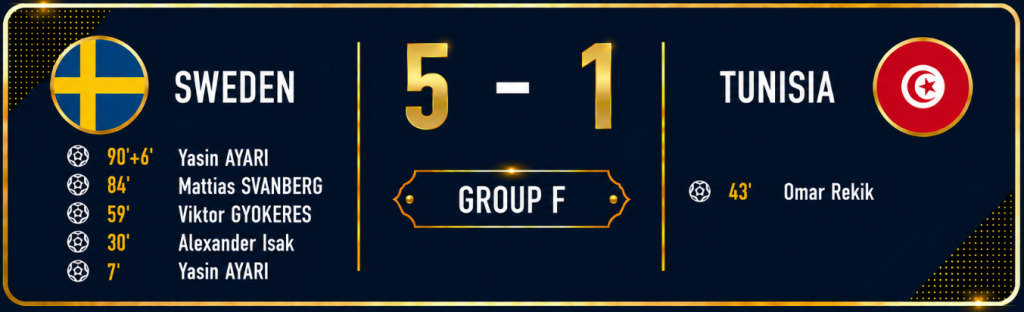
12:00pm AEST — Sweden vs Tunisia
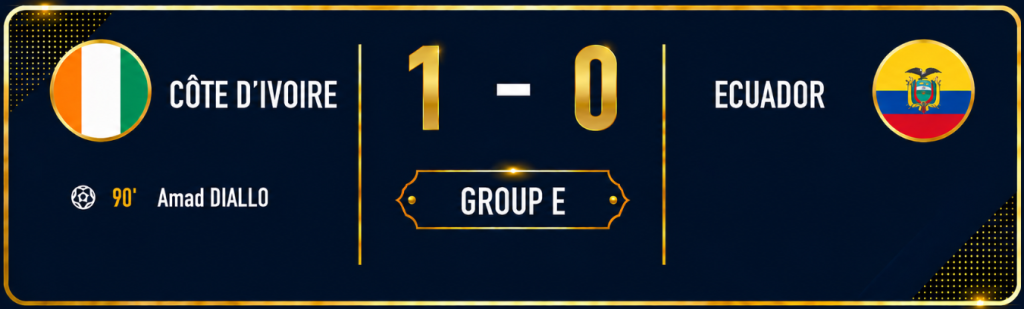
9:00am AEST — Côte d’Ivoire vs Ecuador
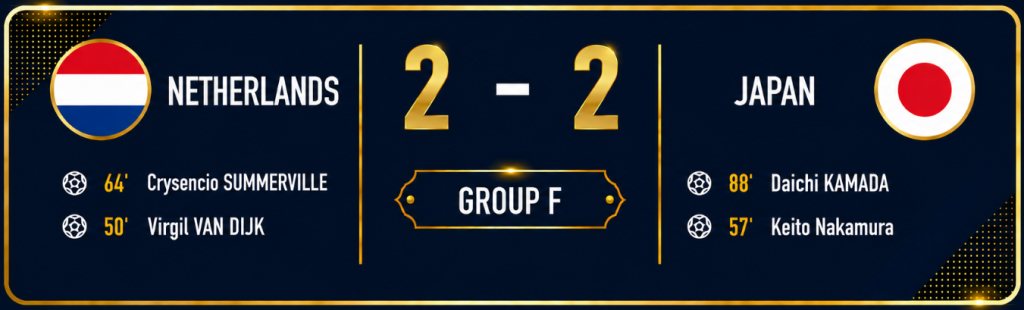
6:00am AEST — Netherlands vs Japan
3:00am AEST — Germany vs Curaçao
Sunday, June 14
2:00pm AEST — Australia vs Türkiye
11:00am AEST — Haiti vs Scotland
8:00am AEST — Brazil vs Morocco
5:00am AEST — Qatar vs Switzerland
Saturday, June 13
11:00am AEST — USA vs Paraguay
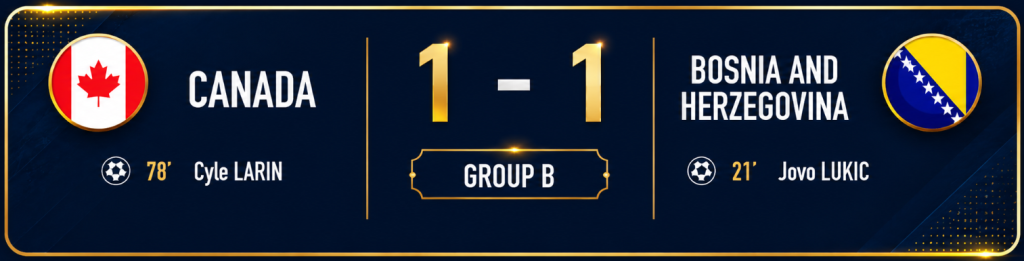
5:00am AEST — Canada vs Bosnia and Herzegovina
Friday, June 12
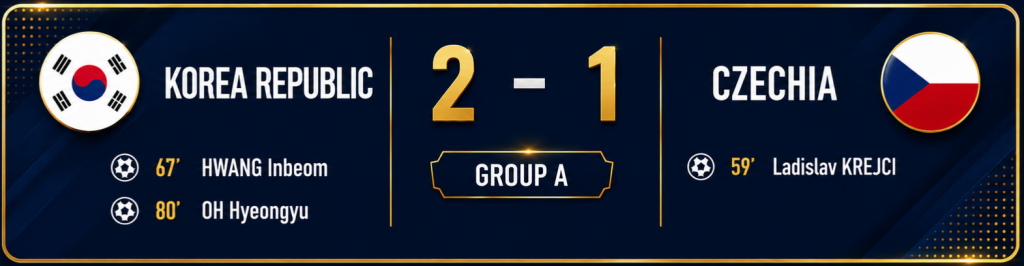
12:00pm AEST — Korea Republic vs Czechia
5:00am AEST — Mexico vs South Africa
MATCH SCHEDULES
All kick-off times are listed in Australian Eastern Standard Time (AEST) and derived from FIFA’s official match schedule as of 12-June-2026.
Key Socceroos Fixtures (AEST)
Sunday, June 14
2:00pm AEST — Australia (2) vs Türkiye(0) Vancouver Stadium
Saturday, June 20
5:00am AEST — USA (2) vs Australia(0) Seattle Stadium
Friday, June 26
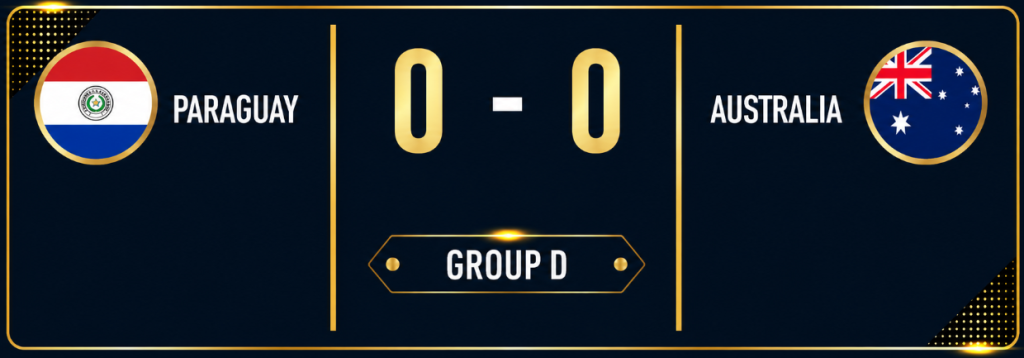
12:00pm AEST — Paraguay (0) vs Australia (0) San Francisco Bay Area Stadium
WEEK 1: GROUP STAGE — MATCHDAYS 1 & 2
June 12–18
Friday, June 12
5:00am AEST Mexico (2) vs South Africa (0) 12:00pm AEST | Korea Republic (2) vs Czechia (1)
Saturday, June 13
5:00am AEST — Canada (1) vs Bosnia and Herzegovina (1) 11:00am AEST — USA (4) vs Paraguay (1)
Sunday, June 14
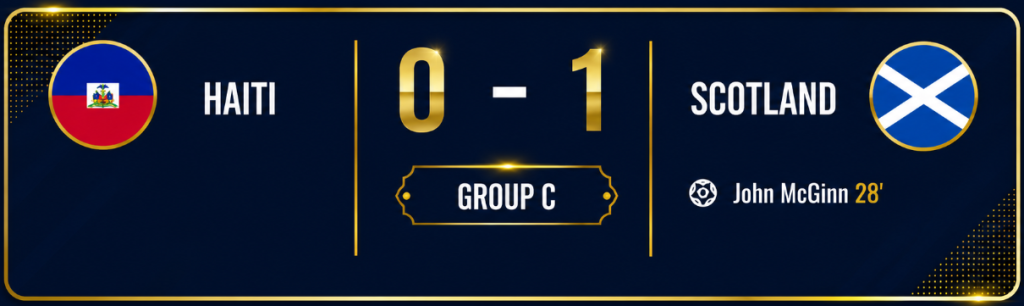
5:00am AEST — Qatar (1) vs Switzerland (1) 8:00am AEST — Brazil (1) vs Morocco (1) 11:00am AEST — Haiti (0) vs Scotland (1)
🇦🇺 SOCCEROOS 2:00pm AEST — AUSTRALIA (2) vs TÜRKİYE(0)
Monday, June 15
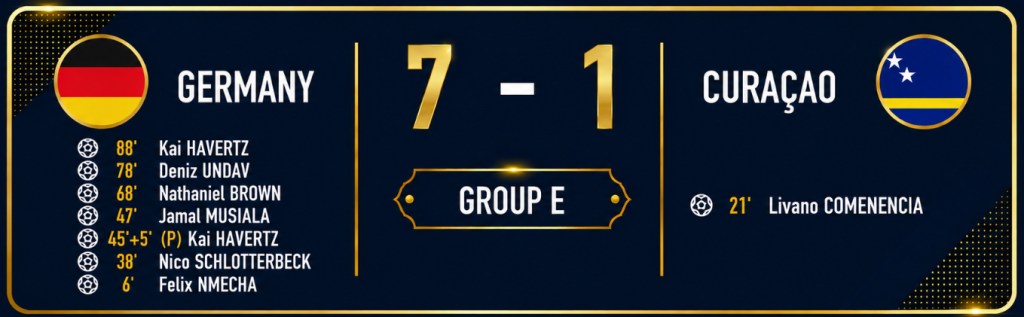
3:00am AEST — Germany (7) vs Curaçao (1) 6:00am AEST — Netherlands (2) vs Japan (2) 9:00am AEST — Côte d’Ivoire (1) vs Ecuador (0) 12:00pm AEST — Sweden (5) vs Tunisia (1)
Tuesday, June 16
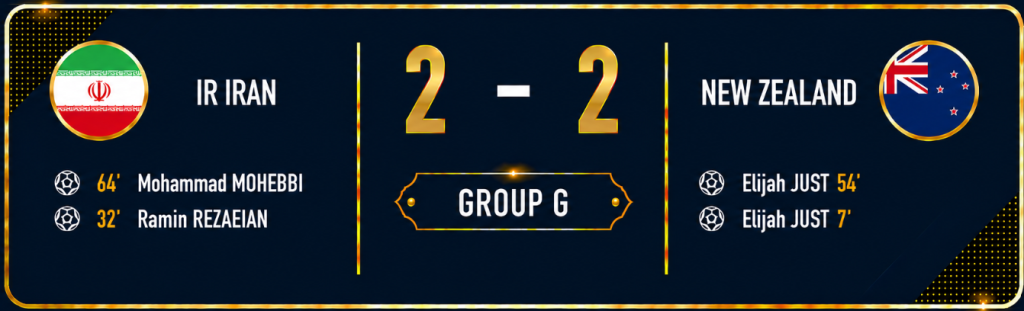
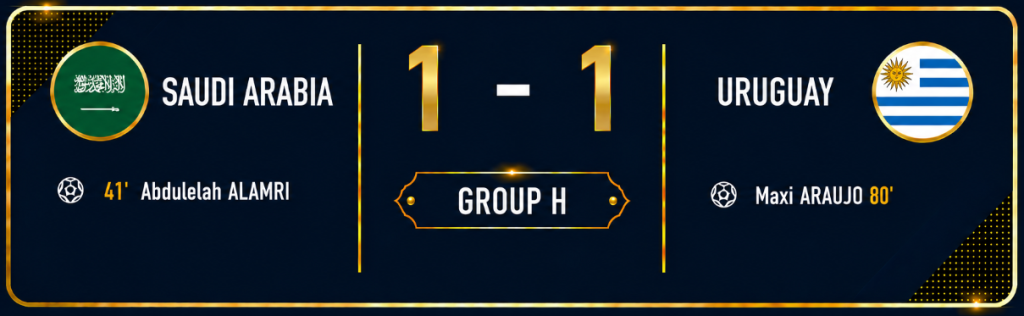
2:00am AEST — Spain (0) vs Cabo Verde (0) 5:00am AEST — Belgium (1) vs Egypt (1) 8:00am AEST — Saudi Arabia (1) vs Uruguay (1) 11:00am AEST — Iran (2) vs New Zealand (2)
Wednesday, June 17
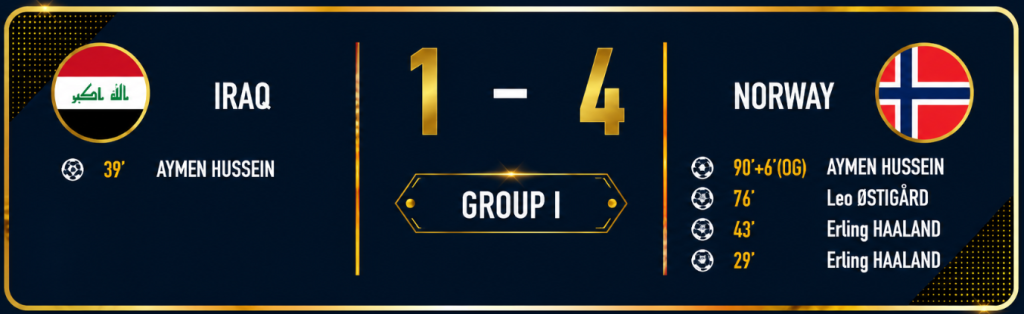
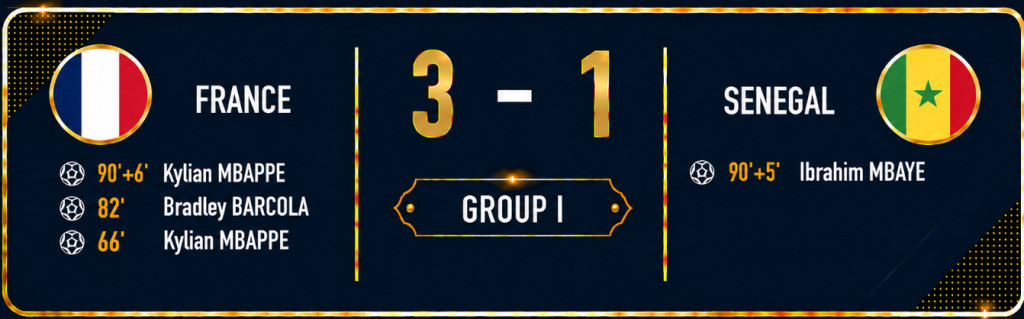
5:00am AEST — France (3) vs Senegal (1) 8:00am AEST — Iraq (1) vs Norway (4) 11:00am AEST — Argentina (3) vs Algeria (0) 2:00pm AEST — Austria (3) vs Jordan (1)
Thursday, June 18
3:00am AEST — Portugal (1) vs Congo DR (1) 6:00am AEST — England (4) vs Croatia (2) 9:00am AEST — Ghana (1) vs Panama (1) 12:00pm AEST — Uzbekistan (1) vs Colombia (3)
WEEK 2: GROUP STAGE — MATCHDAYS 2 & 3
June 19–25
Friday, June 19
2:00am AEST — Czechia (1) vs South Africa (1) 5:00am AEST — Switzerland (4) vs Bosnia and Herzegovina (1) 8:00am AEST — Canada (6) vs Qatar (0) 11:00am AEST — Mexico (1) vs Korea Republic (0)
Saturday, June 20
🇦🇺 SOCCEROOS 5:00am AEST — USA (2) vs AUSTRALIA(0)
8:00am AEST — Scotland (0) vs Morocco (1) 10:30am AEST — Brazil (3) vs Haiti (0) 1:00pm AEST — Türkiye (0) vs Paraguay (1)
Sunday, June 21
3:00am AEST — Netherlands (5) vs Sweden (1) 6:00am AEST — Germany (2) vs Côte d’Ivoire (1) 10:00am AEST — Ecuador (0) vs Curaçao (0) 2:00pm AEST — Tunisia (0) vs Japan (4)
Monday, June 22
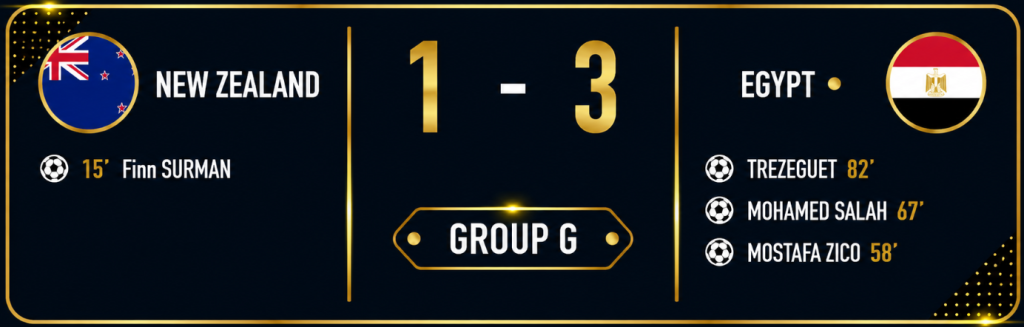
2:00am AEST — Spain (4) vs Saudi Arabia (0) 5:00am AEST — Belgium (0) vs Iran (0) 8:00am AEST — Uruguay (2) vs Cabo Verde (2) 11:00am AEST — New Zealand (1) vs Egypt (3)
Tuesday, June 23
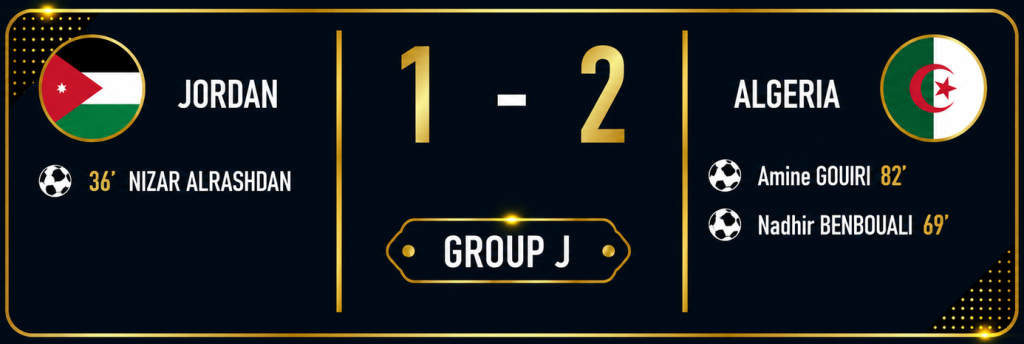
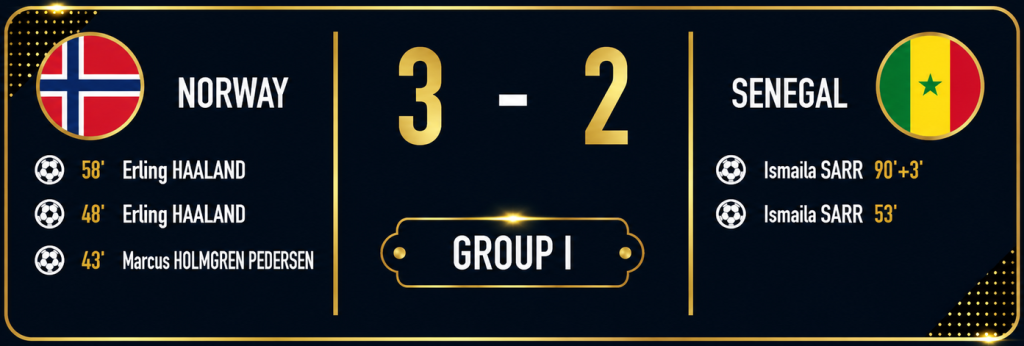
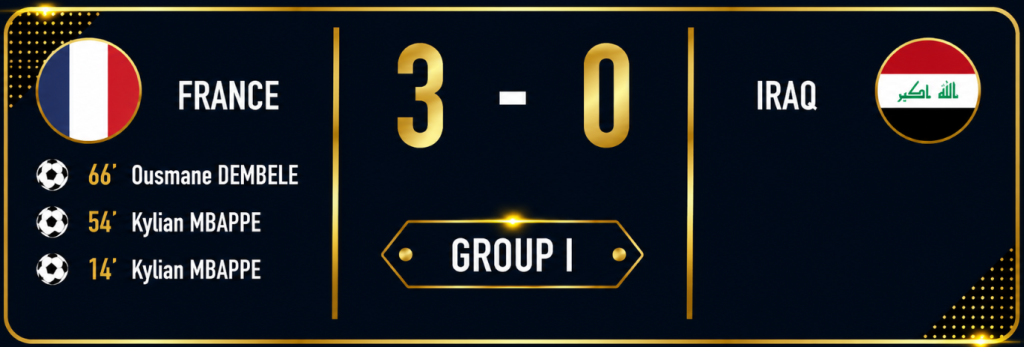
3:00am AEST — Argentina (2) vs Austria (0) 7:00am AEST — France (3) vs Iraq (0) 10:00am AEST — Norway (3) vs Senegal (2) 1:00pm AEST — Jordan (1) vs Algeria (2)
Wednesday, June 24
3:00am AEST — Portugal (5) vs Uzbekistan (0) 6:00am AEST — England (0) vs Ghana (0) 9:00am AEST — Panama (0) vs Croatia (1) 12:00pm AEST — Colombia (1) vs Congo DR (0)
Thursday, June 25
5:00am AEST — Switzerland (2) vs Canada (1) 5:00am AEST — Bosnia and Herzegovina (3) vs Qatar (1) 8:00am AEST — Scotland (0) vs Brazil (3) 8:00am AEST — Morocco (4) vs Haiti (2) 11:00am AEST — Czechia (0) vs Mexico (3) 11:00am AEST — South Africa (1) vs Korea Republic (0)
WEEK 3: GROUP STAGE DECIDERS
June 26–28
Friday, June 26
🇦🇺 SOCCEROOS 12:00pm AEST — PARAGUAY (0) vs AUSTRALIA (0)
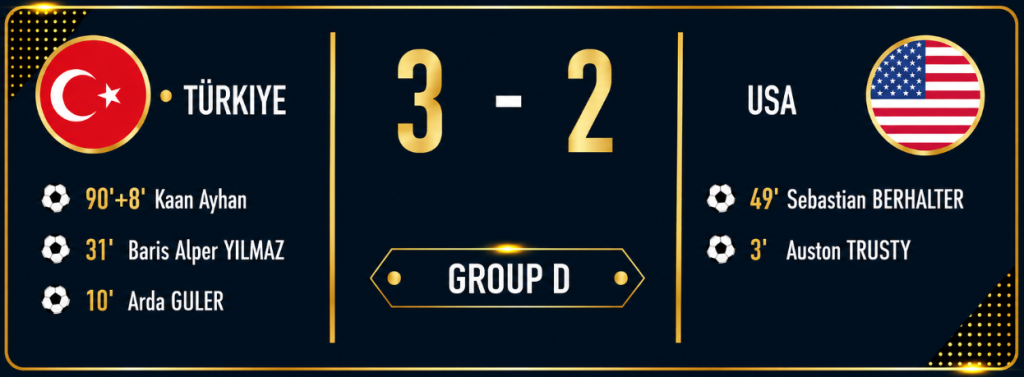
6:00am AEST — Curaçao (0) vs Côte d’Ivoire (2) 6:00am AEST — Ecuador (2) vs Germany (1) 9:00am AEST — Japan (1) vs Sweden (1) 9:00am AEST — Tunisia (1) vs Netherlands (3) 12:00pm AEST — Türkiye (3) vs USA (2)
Saturday, June 27
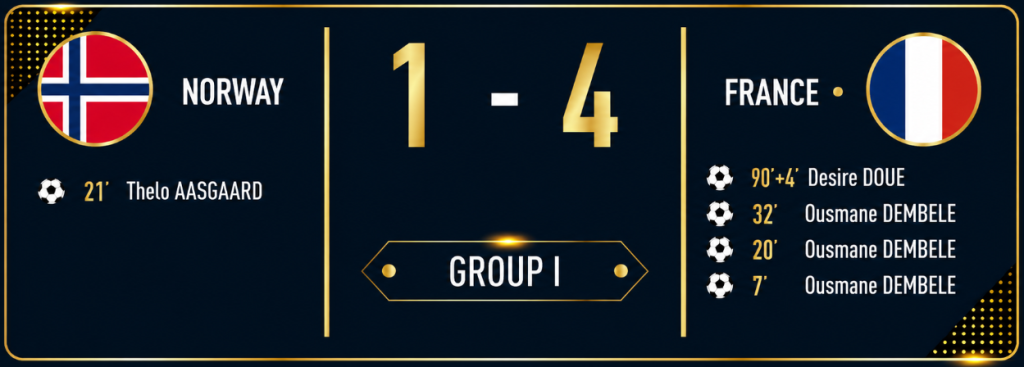
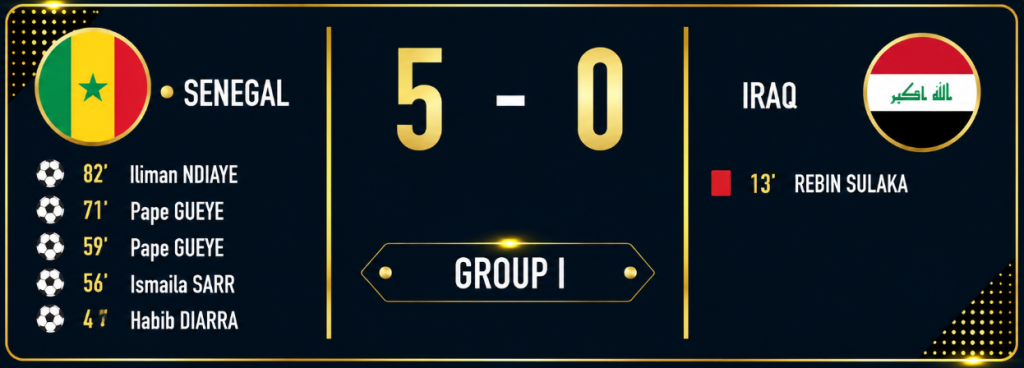
5:00am AEST — Norway (1) vs France (4) 5:00am AEST — Senegal (5) vs Iraq (0) 10:00am AEST — Cabo Verde (0) vs Saudi Arabia (0) 10:00am AEST — Uruguay (0) vs Spain (1) 1:00pm AEST — Egypt (1) vs Iran (1) 1:00pm AEST — New Zealand (1) vs Belgium (5)
Sunday, June 28
7:00am AEST — Panama (0) vs England (2) 7:00am AEST — Croatia (2) vs Ghana (1) 9:30am AEST — Colombia (0) vs Portugal (0) 9:30am AEST — Congo DR (3) vs Uzbekistan (1) 12:00pm AEST — Algeria (3) vs Austria (3) 12:00pm AEST — Jordan (1) vs Argentina (3)
WEEK 4: ROUND OF 32
June 29 – July 4
Monday, June 29
5:00am AEST — South Africa (0) vs Canada (1)
Tuesday, June 30
3:00am AEST — Brazil (2) vs Japan (1) 6:30am AEST — Germany (3) (1) vs Paraguay (4) (1) 11:00am AEST — Netherlands (2) (1) vs Morocco (3) (1)
Wednesday, July 1
3:00am AEST — Cote D’Ivoire (1) vs Norway (2) 7:00am AEST — France (3) vs Sweden (0) 11:00am AEST — Mexico (2) vs Ecuador (0)
Thursday, July 2
2:00am AEST — England (2) vs Congo DR (1) 6:00am AEST — Belgium (3) vs Senegal (2) 10:00am AEST — USA (2) vs Bosnia and Herzegovina (0)
Friday, July 3
5:00am AEST — Spain (3) vs Austria (0) 9:00am AEST — Portugal (2) vs Croatia (1) 1:00pm AEST — Switzerland (2) vs Algeria (0)
Saturday, July 4
4:00am AEST — Australia (2) (1) vs Egypt (4) (1) 8:00am AEST — Argentina (3) vs Cabo Verde (2) 11:30am AEST — Colombia (1) vs Ghana (0)
Sunday, July 5
1:00am AEST — Canada (0) vs Morocco (3) 5:00am AEST — Paraguay (0) vs France (1)
WEEK 5: ROUND OF 16
July 6–8
Sunday, July 5
1:00am AEST — Canada (0) vs Morocco (3) 5:00am AEST — Paraguay (0) vs France (1)
Monday, July 6
6:00am AEST — Brazil (1) vs Norway (2) 10:00am AEST — Mexico (2) vs England (3)
Tuesday, July 7
5:00am AEST — Portugal (0) vs Spain (1) 10:00am AEST — USA (1) vs Belgium (4)
Wednesday, July 8
2:00am AEST — Argentina (3) vs Egypt (2) 6:00am AEST — Switzerland (4) (0) vs Colombia (0) (3)
WEEK 6: FINALS SERIES
July 10–20
Quarter-finals
Friday, July 10
6:00am AEST — France (2) vs Morocco (0)
Saturday, July 11
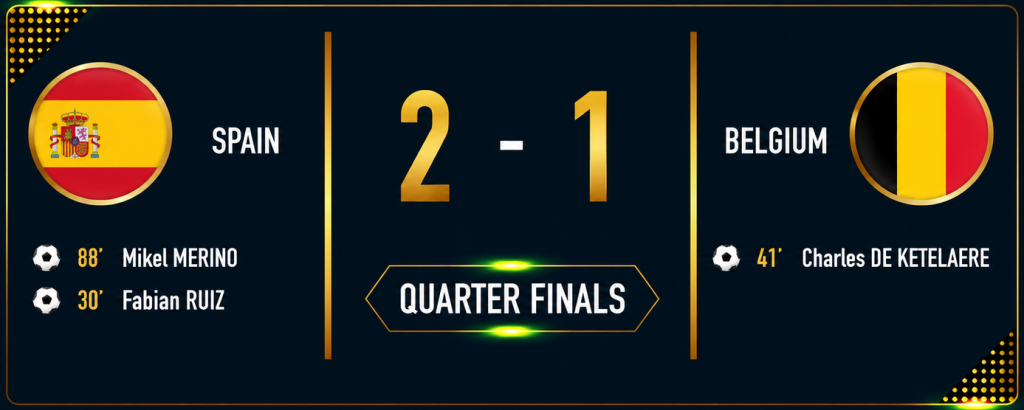
5:00am AEST — Spain (2) vs Belgium (1)
Sunday, July 12
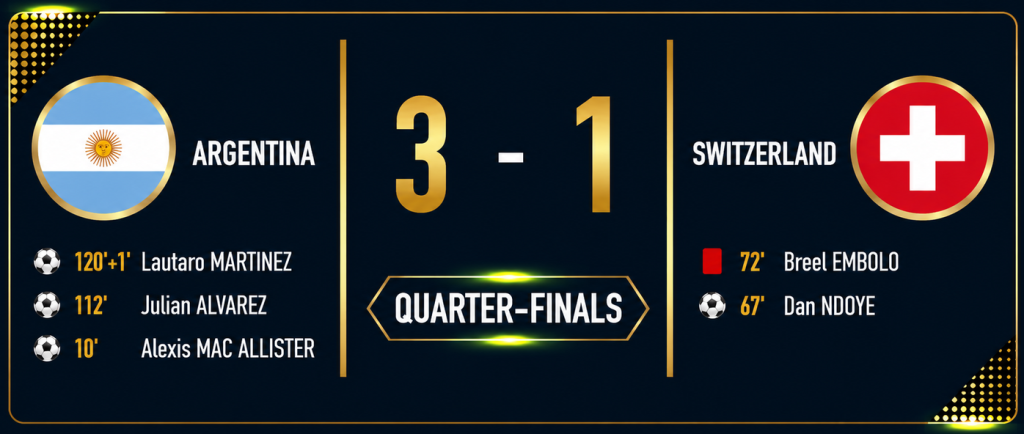
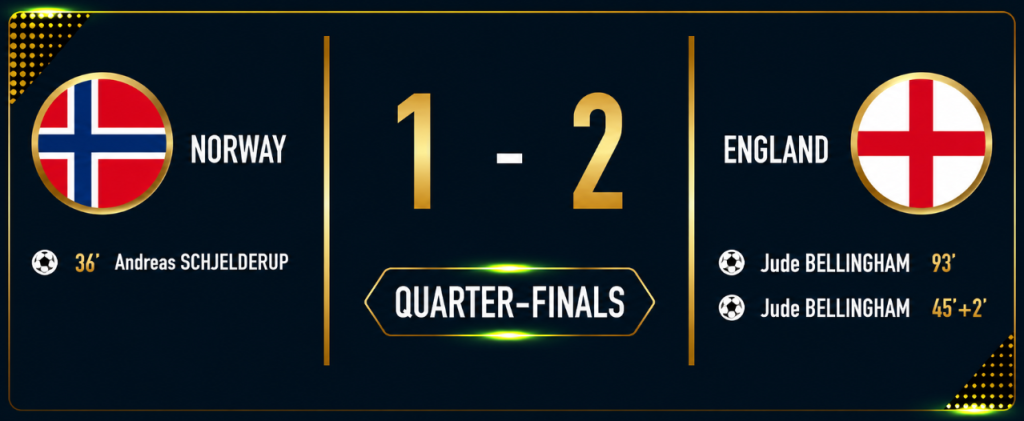
7:00am AEST — Norway (1) vs England (2) 11:00am AEST — Argentina (3) vs Switzerland (1)
Semi-finals
Wednesday, July 15
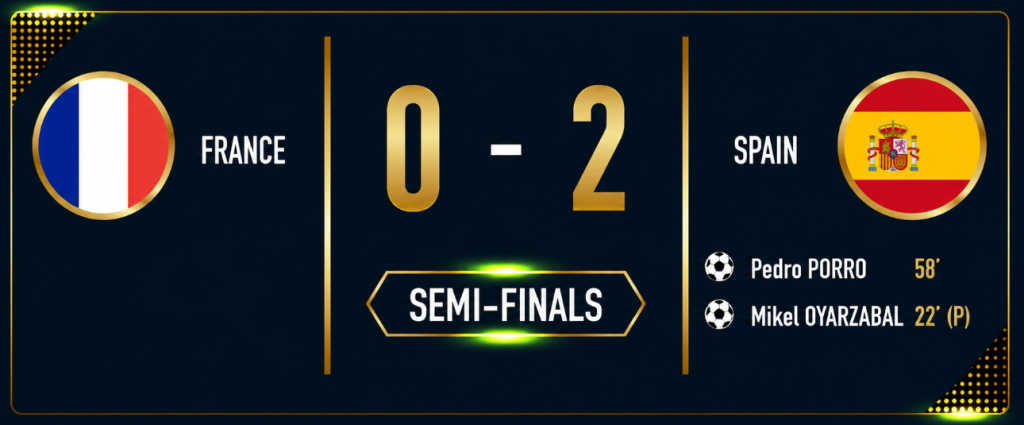
5:00am AEST — France (0) vs Spain (2)
Thursday, July 16
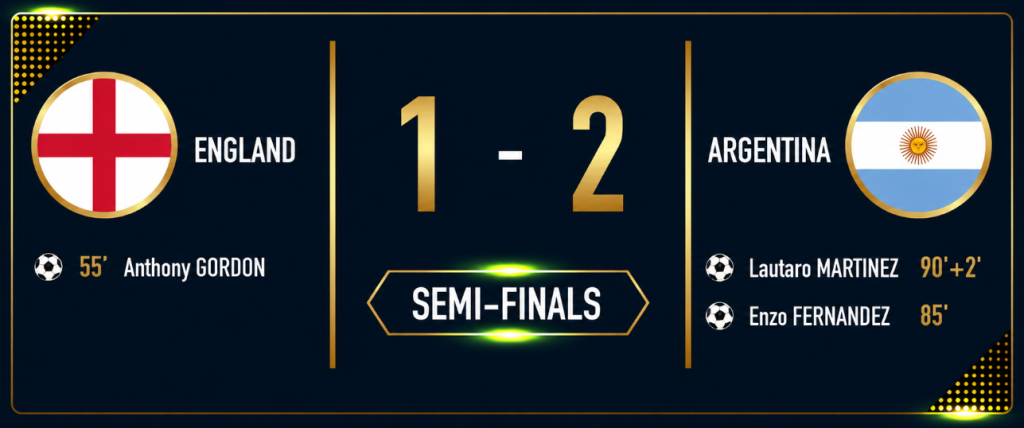
5:00am AEST — England (1) vs Argentina (2)
Third-Place Play-off
Sunday, July 19
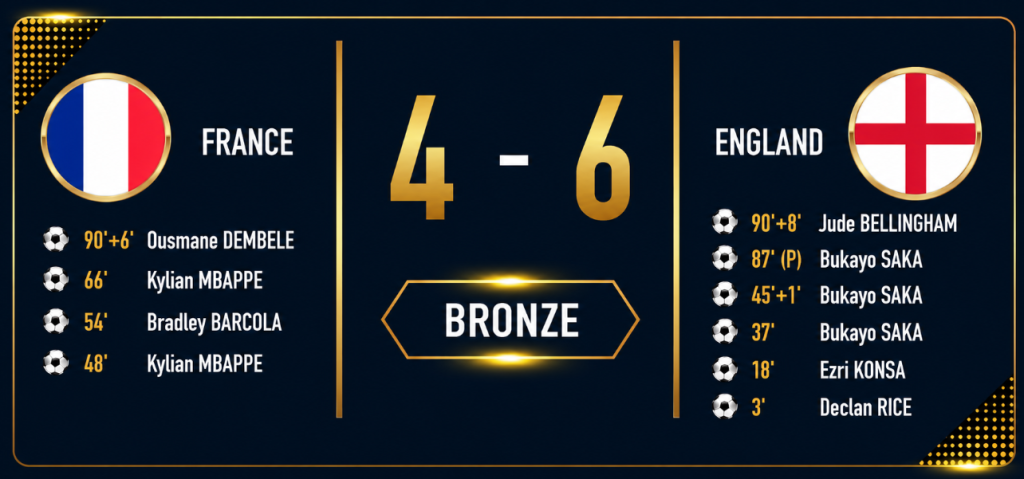
7:00am AEST — France (4) vs England (6) Miami Stadium
FIFA WORLD CUP FINAL
Monday, July 20
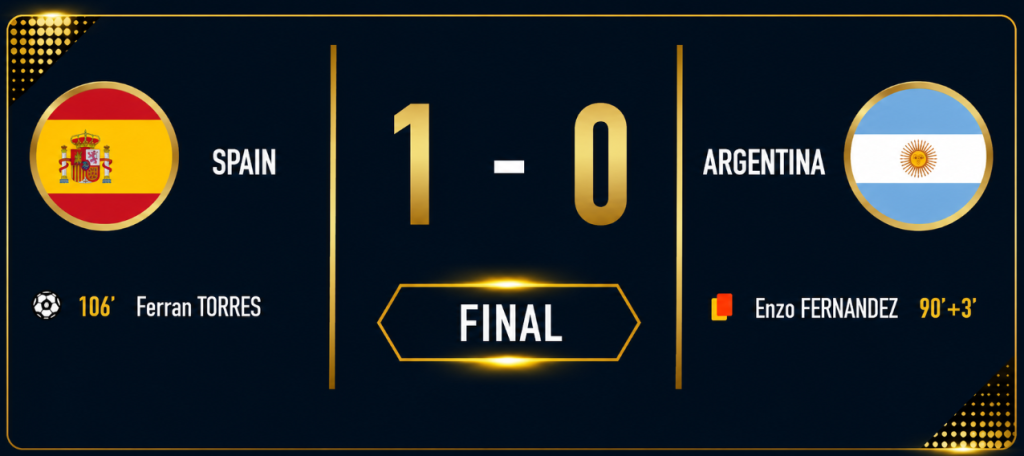
5:00am AEST — Spain (1) vs Argentina (0) New York New Jersey Stadium
In 2006, it slipped away in heartbreaking fashion against Italy. In 2022, the Socceroos pushed eventual champions Argentina deep into the contest before falling short.
Now Tony Popovic’s side gets another chance.
Australia meets Egypt in the FIFA World Cup Round of 32 at Dallas Stadium in Arlington on Saturday, July 4 at 4:00am AEST, with the Socceroos chasing something the men’s national team has never achieved — a World Cup knockout victory.
The path here has been testing enough. Australia beat Türkiye, lost to the United States, then held its nerve in a scoreless draw with Paraguay to secure second place in Group D.
Now there is no safety net.
Egypt Bring Their Own History
Egypt arrive unbeaten after finishing second in Group G, having drawn with Belgium and Iran either side of a win over New Zealand.
That makes this unfamiliar territory for both sides. Australia is chasing its first knockout win. Egypt has reached this stage for the first time in the modern World Cup era and will see the match as a rare chance to extend its own run.
Much of the focus has naturally been on Mohamed Salah.
The Liverpool star has carried an injury cloud into the match, but Popovic has prepared as though he will play. That is the sensible approach. If Salah starts, Australia must deal with one of world football’s most dangerous attackers. If he does not, Egypt still have enough through Omar Marmoush, Mahmoud Trezeguet and others to cause real problems.
Defence Gives Australia A Platform
The Socceroos have conceded only two goals in three matches, both during that poor first half against the United States.
Outside of that, Australia’s defensive work has held up well.
Harry Souttar has been commanding, Patrick Beach has justified Popovic’s faith in goal, and the back line has generally looked comfortable absorbing pressure for long stretches.
That matters against Egypt, who can sit in, wait, then break quickly through wide areas.
Australia will not need to dominate the ball to win this. It has already shown that against Türkiye. What it cannot afford is to waste the moments when space appears.
The Attack Still Needs More
That is the obvious concern. Australia has been organised, disciplined and difficult to break down, but it has not yet consistently opened teams up.
Nestory Irankunda, Connor Metcalfe and Cristian Volpato have all shown flashes. Mohamed Touré and Tete Yengi give Popovic different options through the middle. Jordan Bos can carry the ball and change the tempo from deeper areas.
The ingredients are there: the final pass, the cleaner finish, the sharper decision in the box — that is where the match may turn.
Popovic has no shortage of selection calls to make, particularly in the front third. Mathew Leckie and Jacob Italiano have already left the squad through injury, but the rest of the group is available.
A Night To Change The Story
For all the talk of systems, shape and selection, this is really about opportunity.
Australia has been here twice before and left wondering what might have been. This squad has the chance to remove that sentence from every future World Cup preview.
Egypt will be dangerous. Salah may play. The heat, the occasion and the pressure will all be part of it, even inside the controlled environment of Dallas Stadium.
But the Socceroos have earned this. They are not chasing respectability anymore.
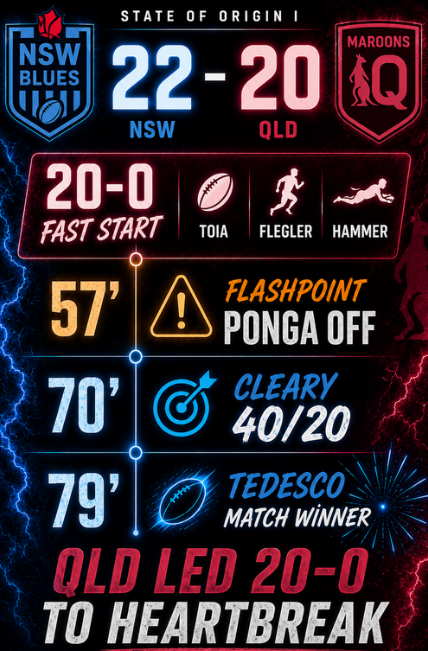
Devastating for the Maroons at Accor Stadium in Origin I.
Kalyn Ponga’s sending off in a decision that immediately sparked controversy proved an enormous turning point. Andrew Johns was critical of the decision during commentary. It swung hard-fought momentum against Queensland, and the Blues produced an extraordinary final-minute play, with James Tedesco catching, juggling and grounding Nathan Cleary’s bomb.
For much of the night, Queensland looked in control.
Not just ahead on the scoreboard — in control of the contest itself. Their line speed was sharp, their middle forwards were winning collisions, Harry Grant was asking questions around the ruck, and Sam Walker, on debut in the most pressurised arena the game can offer, looked remarkably composed.
Then Origin did what Origin does.
It twisted.
A night that had looked set to become a major statement for Billy Slater instead became a brutal lesson in how quickly interstate football can turn when momentum shifts and belief takes hold.
Queensland led 20-0 after 20 minutes. They were still 20-6 ahead deep into the second half. And yet somehow, they walked away beaten 22-20.
That is the sort of loss that lingers.
Queensland Landed Every Early Blow
If there were doubts about Ponga getting the nod over Reece Walsh, or whether Walker was ready for this level, Queensland answered them quickly.
Robert Toia struck first in the ninth minute after early pressure forced the Blues into errors, and Walker converted.
It got worse for New South Wales from there.
Thomas Flegler, all aggression and direct running, punched through in the 14th minute after Queensland had started owning the middle. Selwyn Cobbo had already done damage with a strong carry in the lead-up, and the Blues suddenly looked rattled.
A few minutes later, Hamiso Tabuai-Fidow crossed as Queensland continued to punish sloppy New South Wales football.
Walker never missed.
By the time he added a penalty goal in the 20th minute, the Maroons were 20-0 up, and Accor Stadium had gone from loud to uneasy.
Queensland weren’t just scoring. They were dictating the terms.
Munster was playing direct. Grant was probing. Tino Fa’asuamaleaui and Flegler were bending the line. Even defensively, the Maroons looked connected and aggressive.
At that point, it genuinely felt like the Blues were in serious trouble.
New South Wales Hang Around
Origin, though, rarely gives you a clean night.
Hudson Young’s try in the 27th minute finally gave the Blues something tangible to work with, trimming the margin to 20-6 after Cleary’s conversion.
Even then, Queensland still looked the more settled side.
They defended repeat pressure well enough and took that lead into half-time without looking especially rattled. But if you were watching closely, there were hints the game was changing shape.
The Blues had started to spend more time in Queensland territory. Their attack still lacked polish, but the game had become less comfortable than the scoreboard suggested.
And once that happens in Origin, strange things tend to follow.
The Turning Point That Changed Everything
The defining moment came just before the hour mark.
Ponga was sent off for a shoulder charge in a decision that immediately lit up debate.
Whether you agreed with it or not, the practical effect was obvious. Queensland suddenly had to survive a critical passage under enormous pressure, a man short, against a side that had finally found some rhythm.
The Blues took advantage.
Ethan Strange crossed in the 62nd minute after Stephen Crichton’s break opened the Maroons up, although Cleary’s missed conversion meant Queensland still had breathing room at 20-10.
But the feel of the match had changed completely.
The crowd sensed it. The Blues sensed it. Queensland, perhaps, sensed it too.
Cleary’s 40/20 in the 70th minute was the moment the pressure became suffocating. It was a champion’s play, the kind that flips field position and emotional momentum in one strike.
Seconds later, he backed it up by slicing through himself.
20-16.
Now the Maroons were no longer managing a lead. They were trying to survive.
Queensland Let The Game Slip
The temptation will be to make this all about the Ponga send-off.
It was enormous. Lose a player in Origin, against a side with Nathan Cleary pulling the strings, and the pressure changes instantly.
But Queensland still had chances to steady themselves.
Instead, just when composure mattered most, the mistakes crept in.
Robert Toia lost the ball. Harry Grant conceded a costly penalty. Selwyn Cobbo came up with an error. Jojo Fifita spilled possession.
None of those moments, on their own, decide a match.
Together, though, they handed New South Wales exactly what it needed — territory, repeat sets, and belief.
That’s how these games can turn. Not always in one dramatic flash, but in small moments where control slips away and suddenly the team chasing starts to smell something.
By the time Cleary launched that final bomb, Queensland no longer looked like a side closing out a win. They looked like a side trying desperately to survive.
And when Tedesco somehow came down with it — juggling, regathering, grounding — it felt like the kind of moment Origin keeps in its vault for years.
Queensland will argue the turning point. They’ll replay the send-off. They’ll point to what might have been.
But the harder truth is this: they had this game.
And they let it get away.
MATCH PREVIEW
Published 26-May-2026
Origin Opener Set For Sydney Showdown As New-Look Maroons Eye Early Blow
The first round of Origin is here.
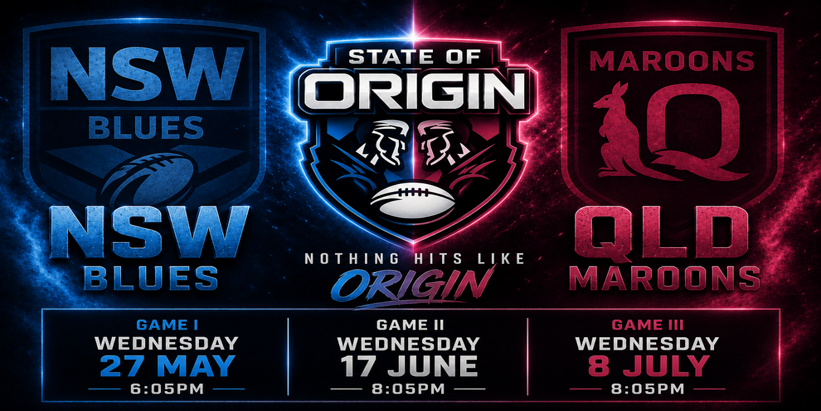
For 2026, State of Origin starts at Accor Stadium in Sydney, before heading to the MCG for Game II and Suncorp Stadium for the decider.
The 2026 State of Origin series is the 45th edition of the men’s interstate best-of-three rivalry, with Queensland entering the campaign holding the historical edge — 25 series wins to New South Wales’ 17, with two series drawn.
For the Maroons, Kalyn Ponga has been selected over Reece Walsh by Billy Slater, while Sam Walker makes his Origin debut in place of the injured Tom Dearden. Max Plath debuts, with Jojo Fifita and Briton Nikora earning their first Maroons selections.
For the Blues, James Tedesco keeps Dylan Edwards out at fullback, while Laurie Daly has opted for Tolutau Koula out of position on the wing ahead of Zac Lomax and Jacob Kiraz. Injury to Mitchell Moses means Ethan Strange will start, while Addin Fonua-Blake finally gets his Origin debut.
The Maroons have won only two of their past 10 Origin games in Sydney, although one of those victories came last year.
Can Queensland pressure Strange enough to cut off quality ball to Nathan Cleary?
New South Wales appears to hold the upper hand through the middle, but Pat Carrigan and Tino Fa’asuamaleaui will relish that challenge.
Cleary versus Walker. Strange versus Munster.
Can Harry Grant put the Maroons on the front foot with his creativity around the ruck?
Can Max Plath and Hamiso Tabuai-Fidow reproduce their Dolphin’s NRL form on the Origin stage?
This shapes as a classic Origin arm wrestle, with Queensland having won six of the past 10 series.
The game will be broadcast live on 9Now, with kick-off at 8.05pm.
For 2026, State of Origin starts at Accor Stadium in Sydney, before heading to the MCG for Game II and Suncorp Stadium for the decider.
The 2026 State of Origin series is the 45th edition of the men’s interstate best-of-three rivalry, with Queensland entering the campaign holding the historical edge — 25 series wins to New South Wales’ 17, with two series drawn.
For the Maroons, Kalyn Ponga has been selected over Reece Walsh by Billy Slater, while Sam Walker makes his Origin debut in place of the injured Tom Dearden. Max Plath debuts, with Jojo Fifita and Briton Nikora earning their first Maroons selections.
For the Blues, James Tedesco keeps Dylan Edwards out at fullback, while Laurie Daly has opted for Tolutau Koula out of position on the wing ahead of Zac Lomax and Jacob Kiraz. Injury to Mitchell Moses means Ethan Strange will start, while Addin Fonua-Blake finally gets his Origin debut.
The Maroons have won only two of their past 10 Origin games in Sydney, although one of those victories came last year.
Can Queensland pressure Strange enough to cut off quality ball to Nathan Cleary?
New South Wales appears to hold the upper hand through the middle, but Pat Carrigan and Tino Fa’asuamaleaui will relish that challenge.
Cleary versus Walker. Strange versus Munster.
Can Harry Grant put the Maroons on the front foot with his creativity around the ruck?
Can Max Plath and Hamiso Tabuai-Fidow reproduce their Dolphin’s NRL form on the Origin stage?
This shapes as a classic Origin arm wrestle, with Queensland having won six of the past 10 series.
The game will be broadcast live on 9Now, with kick-off at 8.05pm.
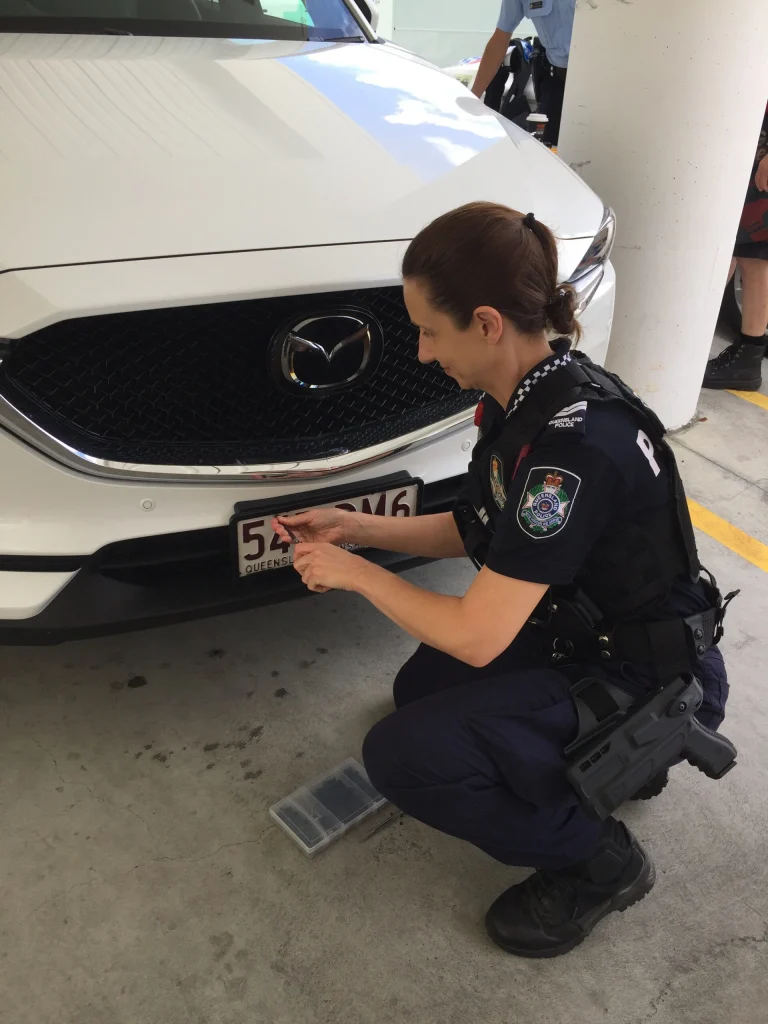
A string of stolen number plates across North Brisbane has pushed police to warn drivers that a small piece of metal on the back of a car can quickly become a tool for bigger crimes. In just 24 hours, officers received seven reports of registration plates being taken from parked vehicles in suburbs stretching from Sandgate to Hamilton, raising concerns among residents already dealing with vehicle break-ins and theft across the city.
The warning was issued on May 8 by Sgt Jodie Murray through the Queensland Police Service after thefts were reported in Kedron, Hamilton, Northgate, Wilston and Sandgate.
Police said stolen registration plates are often attached to other vehicles to avoid detection during criminal activity, including fuel theft, traffic offences and the use of stolen cars. The practice can also leave innocent drivers dealing with toll notices, fines and police inquiries linked to offences they did not commit.
North Brisbane suburbs see sharp increase in plate thefts
Officers from the Gateway District Crime Prevention Unit said the recent cases appeared opportunistic, with thieves targeting vehicles parked on streets and in open areas where screws could be removed quickly.
Police are now encouraging drivers to replace standard screws with anti-theft fittings designed to make number plates harder to remove. The special one-way screws can only be taken out using equipment carried by police.
The crime prevention unit has been distributing free anti-theft screw packs to North Brisbane residents through an online request program first introduced several years ago. The packs include screws and vehicle security information aimed at reducing repeat offences.
Photo Credit: QPS
Residents urged to rethink where vehicles are parked overnight
Police are also advising residents to use locked garages, gated driveways or off-street parking whenever possible, particularly overnight.
Vehicle-related theft has remained a concern across parts of Brisbane, with registration plates often targeted because they can be removed in less than a minute using common tools.
Authorities are asking anyone who notices suspicious behaviour around parked vehicles to report it through Policelink or anonymously through Crime Stoppers Queensland.
Photo Credit: QPS
Community concern grows as stolen plates linked to wider offences
For many drivers, the theft of a number plate may appear minor compared with car theft, but police say the impact can spread far beyond the original crime scene.
Once stolen plates are attached to another vehicle, they can complicate investigations and create stress for vehicle owners who later receive notices connected to offences committed by someone else.
The Sunday morning show provides a fantastic journey around Australia and the world to hear stories and insights from real people that you won’t hear in the mass media.
Here are five nuggets that we’ve dug out from the goldmine that is Macca’s Australia All Over show.
Lawson’s Story
On March 22, we heard the story of a 10 year old boy called Lawson, from the persepctive of a first responder.
The first responder who rang was Mark, a paramedic. He had been called out in an ambulance to a rural property at Mcdouall Peak Station in remote South Australia.
McDouall Peak is known for its arid desert landscape and historic links to explorer John McDouall Stuart. The area is known for its harsh conditions, hardy desert vegetation, and remains part of South Australia’s vast, sparsely populated interior.
Mark related that a 10-year-old boy named Lawson and his dad, a farmer, went out on motorbikes to build some fencing on the station. Lawson’s dad told the boy that he was just going to check some fencing a few kilometres away and then set off on his motorbike down the fenceline.
He didn’t come back.
After a while, Lawson got on his motorbike to go and look for him, but couldn’t find him. So he got his mum to drive over in the car and together they searched and found him. The dad was very badly injured having crashed on his bike at speed.
By the time emergency crews arrived, Lawson had already spent more than an hour talking with medical staff and waiting for help to reach them.
Mark the paramedic related that on arrival on the main road, he encountered young Lawson, who calmly then got in a ute and drove ahead of the ambulance for several kilometres to guide the medics to where his dad was.
Mark was blown away with the maturity and initiative of Lawson. He had seen many unusual situations in his job but this was a major outlier.
It turned out Lawson’s father had broken a leg, hip and collarbone.
Mark said Lawson carried medical gear; helped responders where needed; and stayed composed through the entire rescue until his father was flown out by the RFDS for treatment.
Amazingly, a neighbour who knew young Lawson was listening to Macca, and rang Lawson’s family to tell him about the call on the show.
Soon after, Lawson rang in and told Macca all about what happened first-hand.
“He was going like 90 or 100 or something,” Lawson told Macca, when recounting his father’s crash.
At one point, Macca asked him what he wanted to be when he grew up.
“A helicopter pilot,” Lawson replied.
It sounded less like a dream and more like a plan.
Out on stations like McDouall Peak, childhood looks different.
Distances are measured in hours, not suburbs. Fence lines run for kilometres. If something goes wrong, help is rarely close.
Lawson studies through the Port Augusta School of the Air, originally built around two-way radio lessons for children living in isolated parts of the country. These days, classes are mostly online, but the principle is still the same — students learning from station houses and remote properties hundreds of kilometres apart.
Kids in those areas tend to grow up fast and early. They learn vehicles young, help with fencing and stock work, and get used to solving problems without immediate backup.
Here’s a video about Clair, who tells a story remarkably similar to that of Lawson, giving us a glimpse of the world they inhabit — a long way from city life, and built around a different kind of independence.
Food Labels – Does “Australian Made” have loopholes?
Judy, a soybean farmer from Bundaberg, rang in to the show on the April 5 program.
She had a very interesting story to put people straight about Australian made loopholes.
She said that supermarket food labels can be very misleading.
Soy milk can be sold as “Australian Made” even when the beans are imported — because the bulk of what’s in the carton is Australian water.
That’s enough to be considered “Australian Made” soy milk, she said.
Meanwhile, she’s growing soy locally, rotating it with sugarcane — a system that quietly does its job, improving soil and keeping things sustainable over time.
“It’s a practical system,” she said.
But that work — and those crops — aren’t always what ends up on the shelf.
It’s not just soy milk.
More broadly, Australia’s labelling rules are based on where a product is made or substantially transformed, not always where its key ingredients are grown.
That’s how you end up with:
fruit juice blended locally from imported concentrate
seafood processed here but caught overseas
packaged foods made in Australia using global ingredients.
The label is technically right, but it doesn’t always tell the full story. For producers like Judy, that gap matters.
Are these technical loopholes hurting Australian food producers?
“Six days. 1,200 feral pigs.” The scale most people don’t see
On the April 19 program, Peter called in from Wangaratta, talking about his new feral pig shoot record.
Feral pigs can make an enormous mess of farmer’s crops as well as gardens and any piece of grassland as they can dig up hundreds of metres of land overnight looking for worms and roots.
Peter projected that there could be over a million feral pigs in Australia and that there were signs of them entering the edge of urban areas.
It sounded like Peter was part of a system that pairs landholders with vetted recreational shooters. His previous best was 1,100 shot but this time he covered 1,200.
Scientific evidence ranks pigs among the most intelligent animals—often cited as the fifth smartest species—possessing cognitive abilities that rival dogs and young human toddlers.
Feral pigs have been part of the landscape for a long time. What’s easy to miss is how quickly things escalate once numbers build.
They move in groups, breed fast, and don’t take long to undo a paddock. Crops gone overnight, fences pushed through, water turned.
Control efforts don’t stop — trapping, baiting, culling — but it’s not static.
Six days near Warren. About 1,200 feral pigs. At that point, you’re dealing with something that doesn’t scale down easily.
Corals, Reefs and the Arguments Around What We’re Seeing
Three separate calls across April ended up circling the same uneasy question: what is happening to the reefs?
What made it interesting was that the callers did not entirely agree.
The Scientist Trying to Cool the Water
On the April 5 program, oceanographer Dan Harrison from the National Marine Science Centre spoke about the science side of the problem — and how researchers are now exploring increasingly complex ways to protect coral systems from extreme heat.
One idea he discussed was marine cloud brightening.
In simple terms, increasing low cloud cover over parts of the ocean so more sunlight is reflected away and water temperatures stay lower during dangerous heat periods.
But Harrison was careful not to present the reef as a simple story of decline or rescue.
Cyclones can damage reefs badly — but sometimes also cool overheated water and reduce bleaching pressure. Floods can smother coral systems with runoff, but under different conditions can shift temperatures or nutrients in ways that change outcomes entirely.
The impression left was less about certainty than complexity.
Nothing in reef systems happens in isolation.
Returning to Fiji After Three Decades
Two weeks later on the April 19 show, Kieran Kelly rang from Fiji with something far more personal and emotional.
After returning to diving for the first time in more than 30 years, he said he was stunned by what he saw underwater.
“The reefs were devastated — brown, lifeless.”
What stayed with listeners was the way he described it.
“All the little houses are still there, but there’s no one in them.”
He said the coral structure itself often remained, but the colour, fish life and movement felt diminished from what he remembered decades earlier.
At the same time, he reflected on how Fiji itself had changed — from what he described as a quieter, more remote place into one increasingly built around tourism, boats and constant movement.
“The very thing that attracts people ends up spoiling it.”
It wasn’t framed as activism or politics. More the observations of someone returning to a place after a very long absence and confronting how much both nature and people had changed.
The Ecologist Who Warned Against Generalisations
A week later again, on the April 26 program, another listener pushed back.
James Hawes, a retired CSIRO ecologist from the Sunshine Coast, wrote to Macca after hearing Kieran’s comments.
He argued that broad claims about “dead and dying reefs” risked missing important context.
Hawes said many reefs he had snorkelled recently — including parts of the Great Barrier Reef and reefs around Fiji — appeared healthy and actively growing. He acknowledged localised storm and cyclone damage, but warned against sweeping conclusions drawn from isolated experiences.
“Reports on coral reef damage must have context.”
Why reef conversations have become so complicated
Part of the reason reef discussions now feel so contested is because people are often talking about different parts of the same system.
Some reefs recover after bleaching events. Others don’t. One section can be badly damaged by heat or cyclones while another nearby remains comparatively healthy.
That sat underneath all three calls.
Dan Harrison spoke about intervention research already underway in Australia. Kieran Kelly described reefs in Fiji that felt emptier and less alive than he remembered decades earlier. James Hawes warned against broad conclusions drawn from isolated experiences.
All three perspectives can exist at once.
The Great Barrier Reef stretches across more than 2,000 kilometres, with thousands of reef systems responding differently to temperature, storms, runoff, tourism pressure and crown-of-thorns starfish outbreaks.
At the same time, Australia has become a major centre for reef intervention research.
Marine cloud brightening — the concept Harrison discussed — is now being trialled as researchers investigate whether brighter low cloud cover could temporarily cool reef waters during marine heatwaves.
Other projects include:
heat-tolerant coral breeding
coral seeding and restoration programs
satellite, drone and robotic reef monitoring
crown-of-thorns starfish control efforts
Researchers are also studying how runoff, water quality and tourism pressure interact with warming oceans and cyclone damage over time.
None of it is straightforward.
Some reefs are recovering strongly. Others are under heavy stress. Some intervention ideas remain experimental, while others are already being rolled out more broadly.
Which is why reef conversations now tend to sound less certain than they once did.
The science is still moving.
The war where bullets overtook disease — and what changed after that
On the April 26 program, the conversation drifted from Gallipoli’s cliffs and cemeteries into something less often talked about — what war looked like from the medical side.
In studio, hand surgeon David Dilley spoke about the conditions doctors and medics faced during the First World War, particularly during Gallipoli.
“The planning was appalling,” he said, referring to findings from the Dardanelles Commission.
There were shortages everywhere. Limited supplies. Primitive field conditions. Little understanding of how to deal with the scale of injuries arriving at once.
“They had bandages… a bit of chloroform… and not much else.”
Earlier in the program, callers had been describing the cemeteries at Gallipoli — the closeness of the ridgelines, the tiny distances between trenches, the sheer number of names.
Dilley’s contribution added another layer to that picture.
For centuries before World War I, disease often killed more soldiers than combat itself. Dysentery, typhoid, infected wounds and poor sanitation spread quickly through camps and battlefields long before antibiotics existed.
But by Gallipoli and the Western Front, warfare itself had changed. Machine guns, artillery and industrial-scale combat produced catastrophic injuries on a scale medicine had never really faced before.
“It was the first war where more died from enemy action than disease,” Dilley said.
The conversation moved easily between medicine, history and memory — less like a lecture and more like someone trying to explain how one era forced the next one to change.
The shift didn’t happen all at once, but the pressure to improve was constant.
In earlier wars, many soldiers didn’t die from wounds themselves, but from what followed — infection, poor sanitation, limited understanding of how to treat trauma once it set in. Dysentery, typhoid and septic wounds were often more lethal than the battlefield.
By the time of Gallipoli, that balance had started to change, even if the systems around it hadn’t caught up.
Since then, each conflict has pushed medicine further.
Today, soldiers carry trauma kits designed to deal with the first and most critical problem — bleeding. Tourniquets, clotting agents and airway tools are standard, with the aim of stabilising someone long enough to get them to surgical care.
From there, evacuation is faster, and treatment is more specialised, with trauma teams trained specifically for those injuries.
None of that removes the brutality of war. But it does mean more people survive the part they wouldn’t have before.
One conversation at a time
Five calls.
Different states, different lives, different subjects.
A 10-year-old on a remote cattle station. A soybean farmer in Bundaberg. Pig shooters near Warren. Scientists arguing over reefs. A surgeon reframing Gallipoli.
None of them sounded like they were trying to make a point bigger than it was.
That’s probably why the calls stayed with people after the radio switched off.
Sandgate train passengers will need to allow more time for travel as Queensland Rail cuts services across South East Queensland during ongoing protected industrial action.
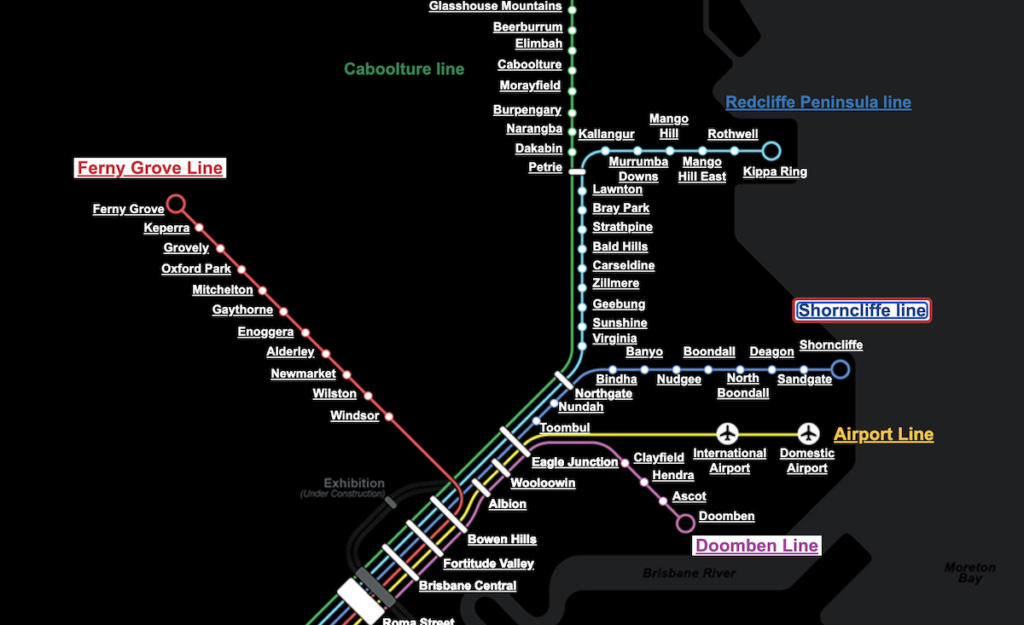
The TransLink service update says weekday trains will run on a reduced timetable, from Tuesday, 5 May, with extra services added in the morning and afternoon peaks on some lines. For the Shorncliffe line, the change is simpler but still disruptive: trains will run every 30 minutes all day.
That means Sandgate residents using Sandgate station should expect longer waits than usual, especially during the morning and afternoon rush. Nearby passengers at Shorncliffe, Deagon, North Boondall, Boondall and Nudgee will also be affected, according to the Queensland Rail network map.
Maintenance backlog leaves fewer trains ready for service
Queensland Rail said the timetable cuts are linked to a shortage of available trains caused by maintenance delays. A Queensland Rail service statement cited protected industrial action had reduced train availability and left the network unable to run its full timetable.
The dispute involves Queensland Rail and several transport unions, including the Electrical Trades Union, the Rail, Tram and Bus Union and the Australian Manufacturing Workers’ Union. The groups have been involved in enterprise bargaining talks with Queensland Rail.
Queensland Rail has said some trains are waiting on work linked to electrical, door and signalling issues. Union representatives have argued that the reduced timetable could have been avoided if workers had been allowed to keep doing partial duties while talks continued.
Sandgate passengers may feel crowding before the city
The Shorncliffe line is one of Brisbane’s shorter suburban rail lines, but it is still a key route for bayside commuters heading towards Northgate, Bowen Hills, Fortitude Valley, Central and Roma Street.
For Sandgate passengers, a 30-minute gap between services can make missed trains more costly. A late arrival at the station may mean a long wait before the next city-bound train. Crowding may also build earlier in the trip because passengers from Shorncliffe and Sandgate board before the train reaches Deagon, North Boondall and Boondall.
Queensland Rail has warned passengers across the network to expect busier trains, slower boarding and possible delays while the reduced timetable remains in place. TransLink is advising commuters to check the journey planner before leaving home.
Airtrain not affected, but other rail services are changing
Airtrain services are not included in the reduced timetable changes, according to Queensland Rail’s public advice. However, several other suburban lines will run less often, with some routes moving to 15-minute peak services and 30-minute off-peak services.
The cuts are also expected to put pressure on travel around major events later in May, including NRL Magic Round in Brisbane. Queensland Rail and transport agencies have said planning is underway for extra support during busy periods, including buses where needed.
St Patrick’s College enters the 2026 AIC rugby season with one of the youngest and most reshaped First XV line-ups in the competition — and plenty of intrigue around what that could produce.
Eleven players are set to make their First XV debuts in Round 1, underscoring a clear shift toward youth as the Shorncliffe-based side prepares to face St Peters.
It’s not just the number of new faces — it’s how young they are. A large portion of the squad sits in Years 10 and 11, placing immediate responsibility on players still early in their senior rugby journey.
The changes run across the entire park. In the forwards, Lucas Poole, Seturo Nanai, Luke Thirgood, Jett Walker, Kahu Davis-Raeli and Peeter Sheppard all step into the starting side for the first time, forming a new-look pack tasked with handling the physical demands of AIC rugby from the outset.
The backline mirrors that turnover. Halfback Bryce Murray and flyhalf Kingston Rarere take on the key playmaking roles, while Oliver Potts and Alex Petrellis add pace out wide. At the back, Max Speedy rounds out a spine built almost entirely from debutants.
There are early signs of what this group could bring. Potts arrives with a reputation as a sharp goal kicker, Thirgood offers mobility through the second row, and Petrellis brings energy on the edge — traits that hint at a side built on movement and intent rather than pure experience.
Preparation has also carried a lift. The squad recently spent time with Queensland Reds winger Tim Ryan, a former St Patrick’s student whose rise to Super Rugby has provided both inspiration and a glimpse of what’s possible from the Shorncliffe pathway.
Round 1 against St Peters shapes as a genuine test. With so many players adjusting to First XV rugby, cohesion under pressure will be key, particularly in the early exchanges.
For St Patrick’s, the equation is clear: a young side, a steep learning curve, and an immediate opportunity. The experience may be limited, but the upside is real — and this group now gets its chance to define the season from the first whistle.
If you’ve left Mother’s Day plans a little late, Sandgate has you covered — from bayfront dining and hands-on workshops to last-minute gifts and spa sessions that don’t feel like an afterthought.
With Sunday, 10 May fast approaching, here’s a streamlined guide to what’s actually worth booking — and where you’ll need to move quickly.
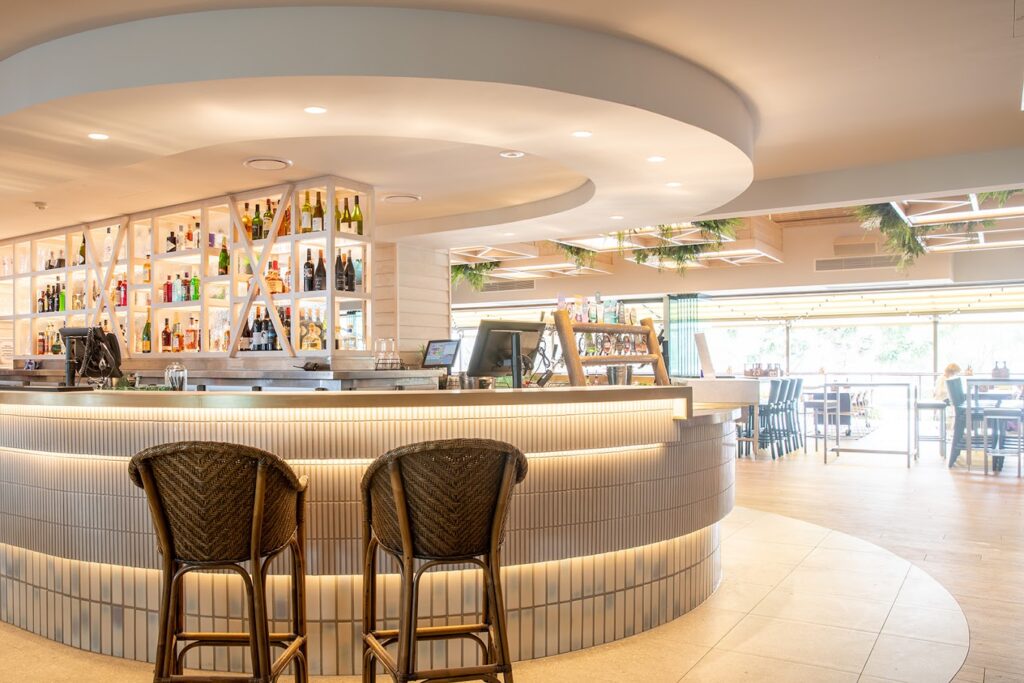
If you want flexibility, this is the safest bet. The Full Moon is running a full-day Mother’s Day service, meaning you can lock in anything from a casual breakfast to a longer lunch or dinner without being boxed into a single sitting.
The drawcard here is the setting — overlooking the bay near Shorncliffe Pier — with live music kicking off from 2pm. It’s the kind of option that works for bigger family groups or those planning to linger.
For a more structured start to the day, Sands Social is offering a dedicated Mother’s Day breakfast buffet at its Songbirds Restaurant.
Expect a broad spread — hot breakfast staples alongside dumplings, buns and a full dessert lineup — making it one of the more comprehensive offerings locally. This is a set-session experience, so early booking is key.
📍 50 Keogh Street, Sandgate 💲 From $60 (members)
Something different: make your own gift
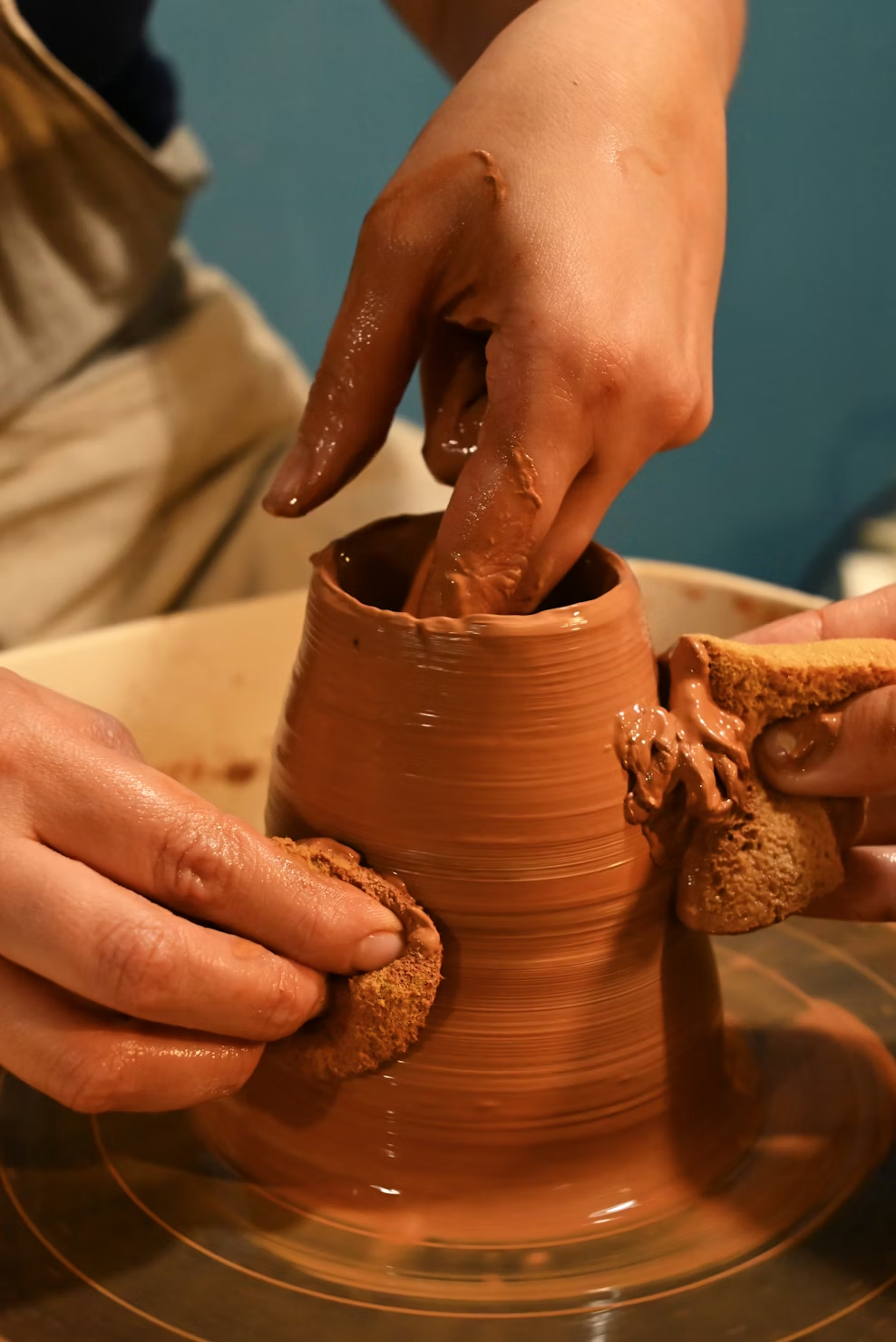
Pottery workshop (Saturday) | Street Clay & Ceramics
For those looking beyond food, this pre-Mother’s Day workshop offers a hands-on alternative. Participants create two functional ceramic pieces — including a herb stripper and grater — in a beginner-friendly session.
Finished items are fired and ready for pickup a few weeks later, turning the experience into a lasting keepsake rather than a one-day outing.
If your plan is simple — good coffee, good food, good view — Baaia remains one of the most reliable picks on the Sandgate foreshore.
The menu leans seasonal with options across dietary needs, backed by local produce and uninterrupted water views. Ideal for smaller groups or a more relaxed start to the day.
If you’ve left the gift to the last minute, this is your safety net. The store stocks curated cards, clothing, homewares and ready-made gift packs that don’t feel rushed.
📍 Shop 3/11 Bowser Parade, Sandgate
Boutique option: something she wouldn’t buy herself
If the goal is proper downtime, Iremia Recovery offers a full suite of wellness options — including magnesium pools, sauna, cold plunge and compression therapy.
It’s a higher-end option, but one that leans into experience over material gifts.
📍 131 Rainbow Street, Sandgate
Plan early — or keep it simple
Mother’s Day in Sandgate tends to book out quickly, particularly for structured dining sessions and waterfront venues. If reservations are gone, cafés, takeaway brunch and a well-timed walk along the foreshore remain a reliable fallback.