




For Queenslanders with ADHD, getting a diagnosis can be only the beginning. Ongoing treatment has often meant specialist appointments, long waits and significant costs. Changes to Queensland’s prescribing rules are giving specialist GPs a greater role in ADHD treatment — bringing more of that care into general practice.
Since 1 December 2025, specialist GPs in Queensland have been able to initiate, modify and continue psychostimulant treatment for adults with ADHD, within existing maximum dose limits.
Queensland Health says the reforms are intended to reduce specialist bottlenecks, waiting lists and financial barriers, while improving continuity of care through general practice.
Getting to the point of treatment can be difficult in itself. University of Wollongong research published this year found the total cost of an ADHD assessment in Australia averaged almost $1,400 and could approach $4,000. Adults waited an average of just over 10 weeks for a first appointment, with some reporting waits of up to a year.
It is an access problem a newly opened Brighton medical centre hopes to address locally.
When Patients Hit a Wall

Telos Medical Centre began seeing patients at 353 Beaconsfield Terrace in Brighton in July and held its official community opening on 19 August 2026.
Medical Director Dr Anchita Karmakar said ADHD became a particular interest after seeing the same problem repeatedly in clinical practice.
“Patients, very often adults, would arrive having already worked out for themselves that something was going on,” she said.
“They had done the reading, they recognised themselves, and then they hit a wall.”
Dr Karmakar said some of the patients she had seen had previously been treated for anxiety or depression without ADHD being identified.
Dr Karmakar’s work in correctional and population health gave her another view of what can happen when assessment and treatment remain out of reach.
“When assessment is inaccessible, the people who miss out are the ones with the least money and the fewest resources,” she said. “That is a health equity issue, not a niche one.”
Telos lists ADHD assessment fees of $500 for adults and $300 for children, with the children’s assessment bulk billed.
What is ADHD?
Attention deficit hyperactivity disorder (ADHD) is a neurodevelopmental condition that begins in childhood, although it may not be diagnosed until adolescence or adulthood.
It can affect attention, organisation, impulse control and activity levels, with symptoms varying considerably between people. ADHD can affect study, work, relationships and everyday life. Healthdirect estimates around one in 20 Australians has ADHD.
Treatment and support are tailored to the individual and can include psychological therapies and medication.
Diagnosed Only in Midlife
Women who reach adulthood without ADHD being recognised are another area of interest for Dr Karmakar.
She said girls with predominantly inattentive presentations could be quiet and academically capable. Some learned to compensate through effort and perfectionism, making their difficulties less conspicuous at school.
Dr Karmakar said perimenopause can be the point when some women begin questioning why strategies that once worked no longer seem enough.
Sometimes the clue comes from much closer to home.
“What brings them in is usually a combination of that sudden loss of function and a trigger, often a child being assessed for ADHD and the mother recognising every item on the checklist,” Dr Karmakar said.
After Brighton Lost Its Medical Centre
Telos has also arrived at a time when the suburb has been adjusting to the loss of a longstanding local medical service.
Brighton Medical Centre closed in 2025. Dr Karmakar said she heard from residents who had since been travelling to Sandgate, Redcliffe and further afield for everyday healthcare, including prescriptions, care plans and childhood immunisations.
For older residents without ready access to transport, delaying an appointment could become the easier option.
“When a long-standing practice closes, the relationships close with it,” she said. “People do not just lose a building, they lose the GP who knew their history.”
6/353 Beaconsfield Terrace, Brighton
General practice, nurse practitioner, blood-borne virus care and S100 prescribing, cardiology diagnostic services, gender-affirming care and skin cancer checks.
Neurodevelopmental assessments and sleep studies.
Podiatry, chiropractic, naturopathy and nutrition.
IV infusion.
Dr Anchita Karmakar, Dr Matthew Cockburn, Dr Ian (Zac) Unverzagt, Dr Jo Butterfield, Nurse Practitioner Steward Rae, Naturopath Ananda Mahony, Chiropractor Wayne Haynes and Podiatrist Belinda Morris.
Monday to Friday, 9am–5pm. The clinic accepts new patients of all ages.
One Patient, Rather Than Separate Problems
The Brighton centre is not structured solely around general practice. GPs and a nurse practitioner work alongside allied and complementary health practitioners, with an emphasis on keeping different parts of a patient’s care connected.
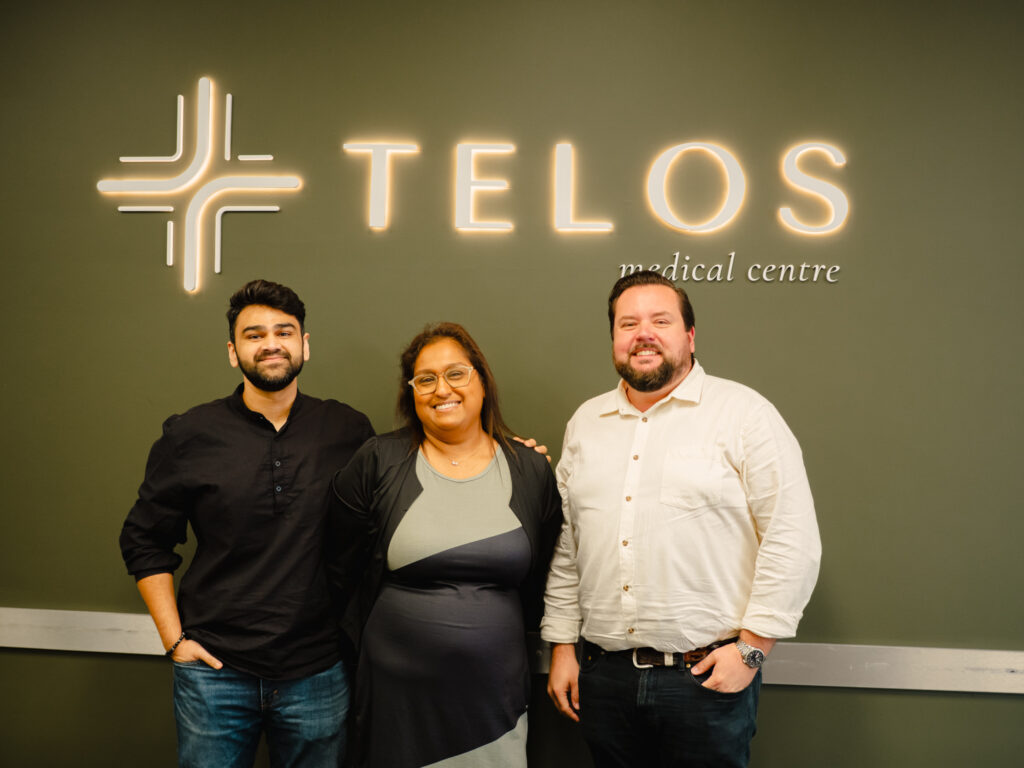
Dr Karmakar uses the example of someone arriving with fatigue, poor sleep, low mood and aches — symptoms that could otherwise send a patient to several different providers.
She said the GP can begin the investigation and, where appropriate, involve other practitioners within the centre so different aspects of the patient’s care can be coordinated.
“The practical difference is that things happen faster, fewer things fall through the cracks, and the patient feels like there is one team looking after her rather than a list of appointments to manage,” she said.
Making the System Easier to Navigate
The founders’ own family experiences of neurodivergence have also shaped some of the smaller details of the practice.
Dr Karmakar said patients can receive written appointment summaries and reminders, while staff are encouraged not to assume that everyone processes or prefers to receive information in the same way.
Her background extends beyond medicine. She also holds a Juris Doctor, which she said has reinforced the importance she places on informed consent and straightforward communication.
“Patients should understand what is being done, why, and what it costs before it happens,” she said.
For all the discussion about models of care, Dr Karmakar’s measure of whether the Brighton practice succeeds is considerably simpler.
“I would like Telos to be the clinic where people in Brighton feel known,” she said.
“I would feel we had succeeded if someone who had been putting off care for years because it was too hard or too far finally got it sorted here.”
For people who have spent years navigating referrals, waiting lists and disconnected appointments, that may be the more consequential shift.
For people who have spent years navigating referrals, waiting lists and disconnected appointments, that may be the more consequential shift. The changes underway in Queensland are creating more opportunities for ADHD care to happen closer to home.
Published 24-August-2026