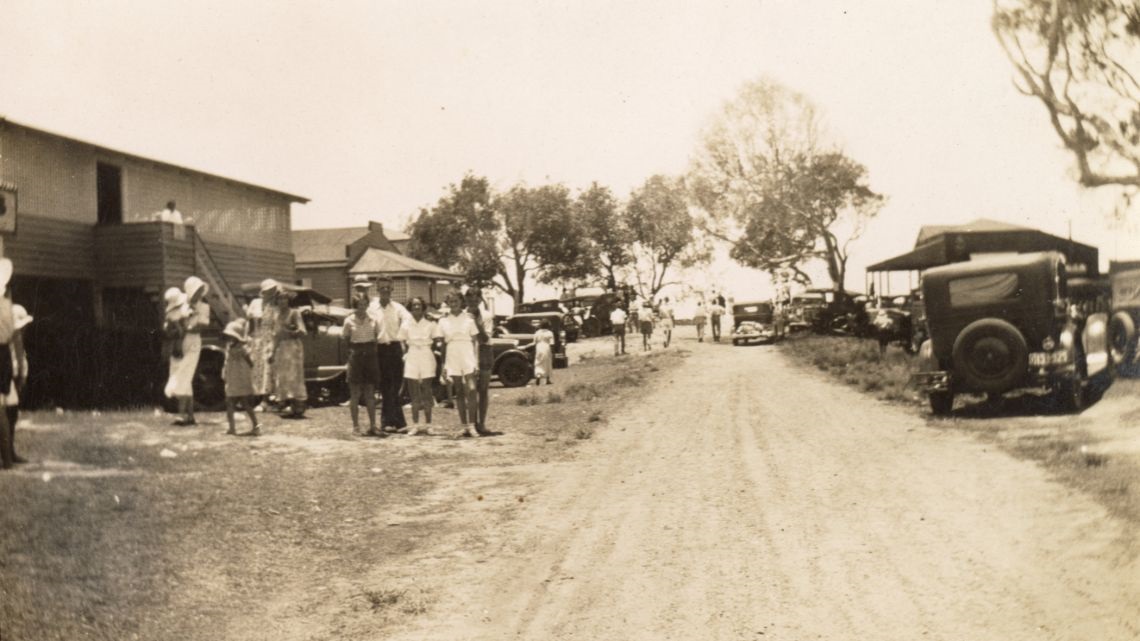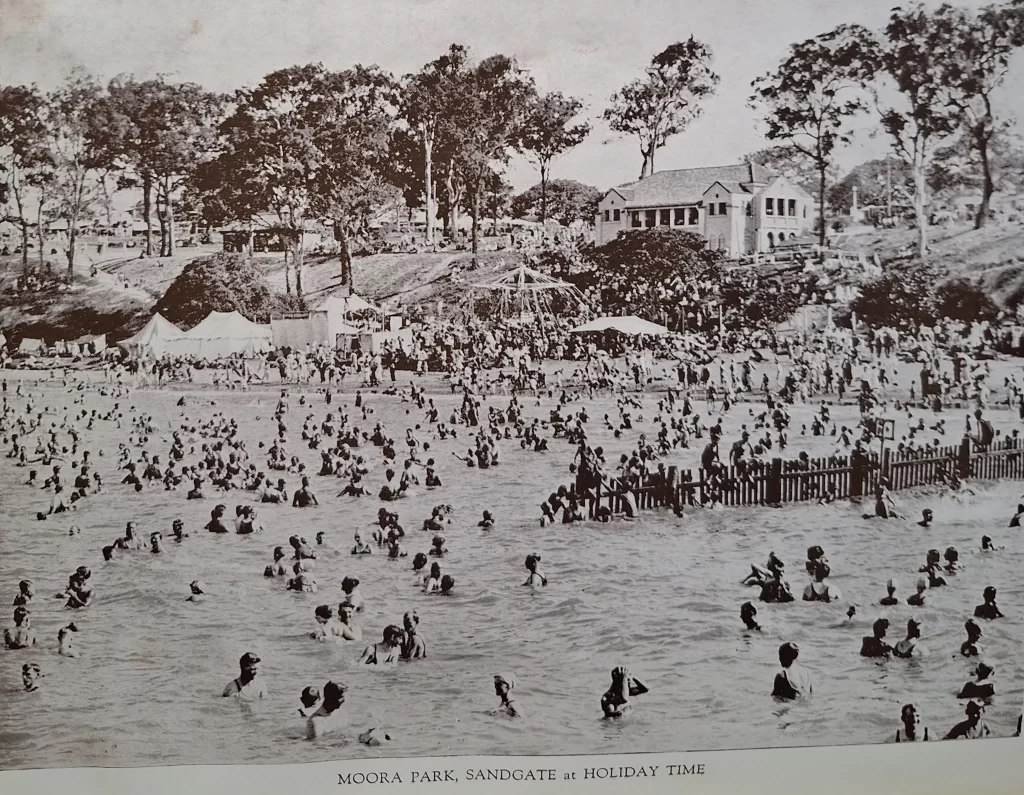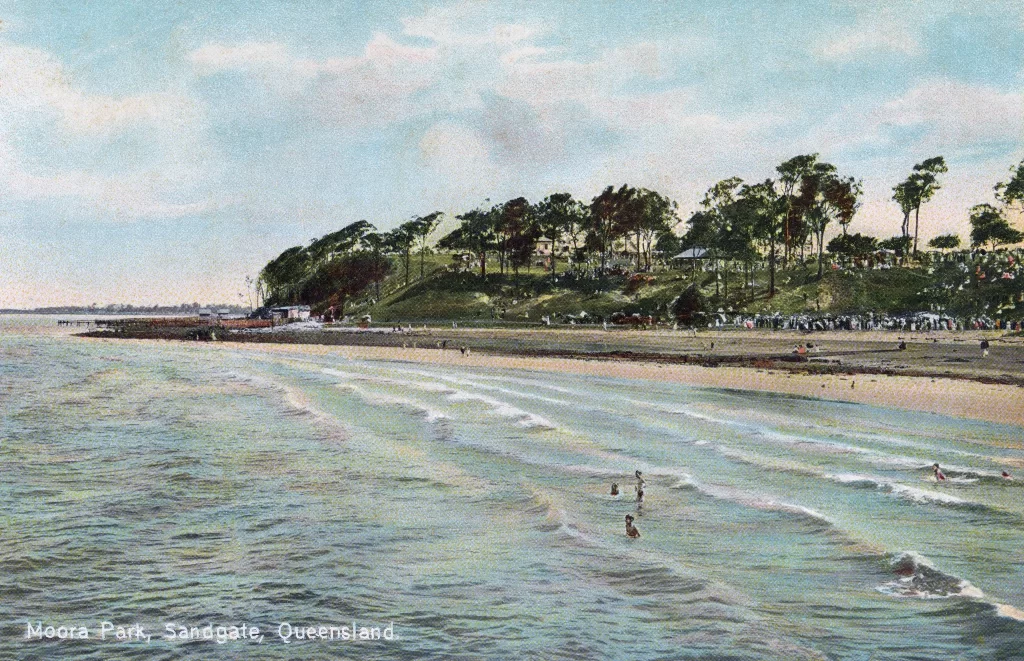





When Laurient (Laurie) and Felix Kempster sailed out of Sydney on the troopship Medic on 12 December 1916, they left behind their parents, Leonard and Rosina, and seven younger siblings in Sandgate. Both returned. Not every family from this stretch of Moreton Bay shore was so fortunate.
The Kempster brothers were local men in every sense. Laurie, aged 20, had worked as a junior clerk since 1914, while Felix, aged 18, had been on a cattle station near Roma. Both were fine horsemen, and both enlisted in the 11th Light Horse Regiment, a Queensland and South Australian unit that would go on to earn fourteen battle honours across Egypt, the Sinai, Palestine and Jordan.
Their story, preserved partly through letters home and partly through the records of the Sandgate Historical Museum, offers a rare window into the lived experience of two ordinary young men caught up in one of history’s great conflicts.
Getting There Was Its Own Adventure
The voyage to war was not without its lighter moments. In a letter to their mother written in early 1917, Felix described a boxing tournament held aboard the Medic, cheerfully reporting that he had been declared the ship’s lightweight champion. The detail that most mothers would quail at, including a description of “a few hard hits to the head and body,” was relayed with the breezy confidence of an 18-year-old who did not yet know what lay ahead. Laurie, for his part, reported both hands and a leg bandaged from his own bouts.
Their letters from Egypt, where they arrived in February 1917, painted vivid pictures of desert life: sandstorms, a diet of bully beef and biscuits, bitter cold, and the novelty of seeing “quite a lot of aeroplanes.” Felix wrote that they had “pretty good fun one way and another,” though both admitted they were “looking forward to the time when we shall be sent out to the firing line.”
That time came soon enough.
The 11th Light Horse Carried the War from Gallipoli into Palestine
The 11th Light Horse Regiment fought against the Ottoman Empire in Egypt, at Gallipoli, on the Sinai Peninsula, and in Palestine and Jordan. By the time Laurie and Felix joined as reinforcements in early 1917, the regiment had already served at Gallipoli in a dismounted role and had been defending the Suez Canal. In April 1917, following the withdrawal of Ottoman forces, the regiment moved into Palestine.
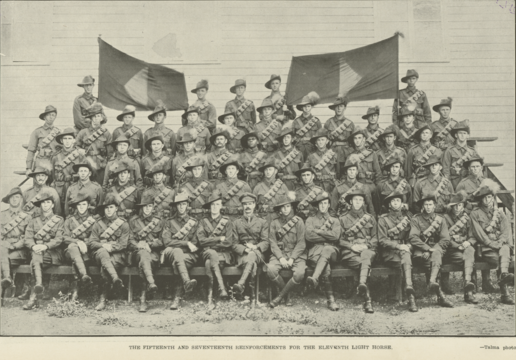
Both brothers served across Egypt and Palestine, both received field promotions, and both were awarded medals for bravery. Laurie received the Meritorious Service Medal for conspicuous and valuable service during the Syrian campaign. Felix received the Military Medal. Their citations place them squarely among the men of the 11th Light Horse Regiment during some of the campaign’s most decisive actions.
The Regiment Charged at Semakh and Pushed Through to Damascus
The regiment’s most famous moment came at Semakh, on the southern shore of the Sea of Galilee. On 25 September 1918, the 11th Light Horse displayed its versatility at Semakh by first charging the Turkish defences around the town on horseback, with swords drawn, and then clearing the actual town on foot, with rifle and bayonet. It was one of the last cavalry charges of the modern era, conducted in the dark across two miles of open, unrecognised ground. Once it was over at 5:30 am, German specialists and machine-gunners accounted for a significant portion of the casualties and prisoners. The Australians suffered 78 casualties, including fourteen killed, and had nearly half their horses hit.
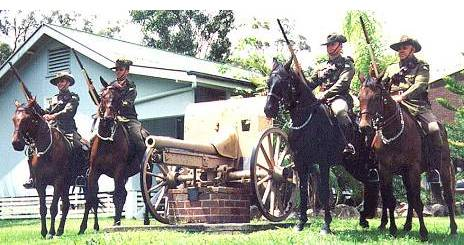
From Semakh, the regiment pressed on toward Damascus, which fell on 1 October 1918. The Armistice of Mudros ended the war in the Middle East on 30 October.
The Gun That Came Home to Sandgate
One of the weapons captured at Semakh, a 75mm German field gun, later made its way to Sandgate itself. The war trophy stood for more than thirty years overlooking Sandgate Pier and Bramble Bay, a 75mm German “Whiz Bang” field gun captured from a combined German and Turkish force during the last Light Horse charge by the Australian Forces during the 1914 to 1918 war.
Laurie Kempster attended the unveiling of the gun at Shorncliffe on 4 August 1923, where then Queensland Governor Sir Matthew Nathan revealed it. He was surprised to learn it was the same gun the regiment had captured in Syria. By that time, he had taken on a senior administrative role in Sandgate, a position he would hold until local government restructuring absorbed the municipality into a larger authority.
Coming Home to Sandgate
Both brothers returned safely in 1919, a fact their family knew was not universal. Laurie resumed his career in local administration and secured a senior clerical position in 1924. In 1921, he married Sandgate woman Evelyn Driver, and they had a son in 1923. He remained an active member of the 11th Light Horse Association for the rest of his life.
Felix, after a period of leave in England, travelled to California as part of an AIF detachment sent to study agriculture under a government scheme for returned soldiers. He returned to Queensland in 1920 and went into farming.
Their story is held at the Sandgate Historical Museum on Lagoon Street, open Sundays and Wednesdays from 9 am to 1:30 pm. Adults $5, children $3, membership from $20.
Published 10-April-2026
Featured Image Credit: Lives of the First World War & Virtual War Memorial Australia